
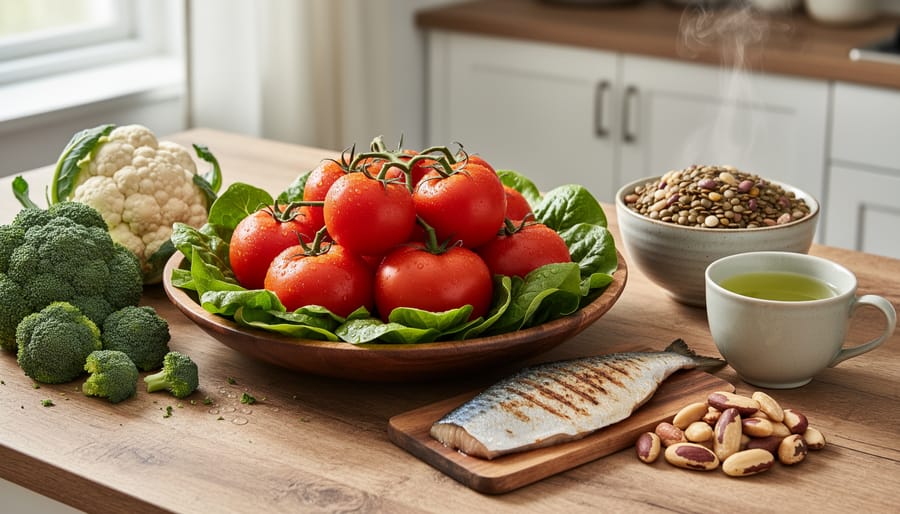
The best foods for prostate health are tomatoes, cruciferous vegetables like broccoli and cauliflower, leafy greens, fatty fish, legumes, nuts (especially Brazil nuts), and green tea. A plant-based diet rich in these foods and low in processed meats, saturated fats, and refined carbohydrates has been shown to reduce prostate cancer progression risk and support overall prostate wellness. Making nutrition first line defense is one of the most powerful steps Alberta men can take for long-term prostate health.
Prostate health affects nearly every Alberta man as he ages, yet many don’t realize how much control they have through daily food choices. Good nutrition may reduce the risk of developing prostate cancer and slow its progression if you’ve already been diagnosed. The evidence is clear: what you put on your plate matters.
This guide gives you eleven specific, evidence-backed foods that support prostate wellness, ranked by their protective compounds and practical availability here in Alberta. You’ll learn which nutrients matter most, why certain vegetables outperform others, and how to work these foods into meals you’ll actually enjoy. Whether you’re taking preventive steps or managing an existing diagnosis, you’ll find straightforward advice you can start using today. No confusion, no conflicting claims, just the foods that research consistently points to for prostate protection in 2026.
How We Ranked These Prostate-Healthy Foods
We built this ranking by weighing four main factors that matter for real-world prostate health in Alberta. Every food on the list had to earn its spot through solid research, practical accessibility, and genuine nutritional impact, not marketing hype or supplement industry claims.
First, we prioritized foods with documented links to prostate cancer prevention and slowed disease progression in peer-reviewed studies. That means a focus on lycopene-rich tomato products, selenium sources, and cruciferous vegetables with proven protective compounds. We looked for consistency across multiple studies, not isolated findings.
Second, we emphasized nutrient density. Foods that deliver concentrated amounts of the key protective nutrients, lycopene, selenium, sulforaphane, omega-3 fatty acids, and fiber, ranked higher than those offering only trace amounts. The goal is to maximize benefit from everyday portions.
Our criteria included:
- Strength and consistency of research evidence linking the food to prostate health outcomes
- Concentration of protective nutrients per serving
- Year-round availability and affordability at Alberta grocery stores
- Ease of incorporating into typical meal patterns without specialized cooking skills
We also considered how well each food aligns with a broader plant-forward, heart-healthy eating pattern. Foods that support both prostate and cardiovascular health ranked higher, since maintaining a healthy weight and reducing saturated fat intake contributes to better prostate cancer outcomes. Finally, we focused exclusively on whole foods you can pick up at any supermarket. Supplements weren’t considered, they lack the fiber, synergistic compounds, and overall nutritional profile of real food.
Top 11 Foods for Prostate Health
1. Tomato Paste and Cooked Tomato Products, Peak Lycopene Delivery
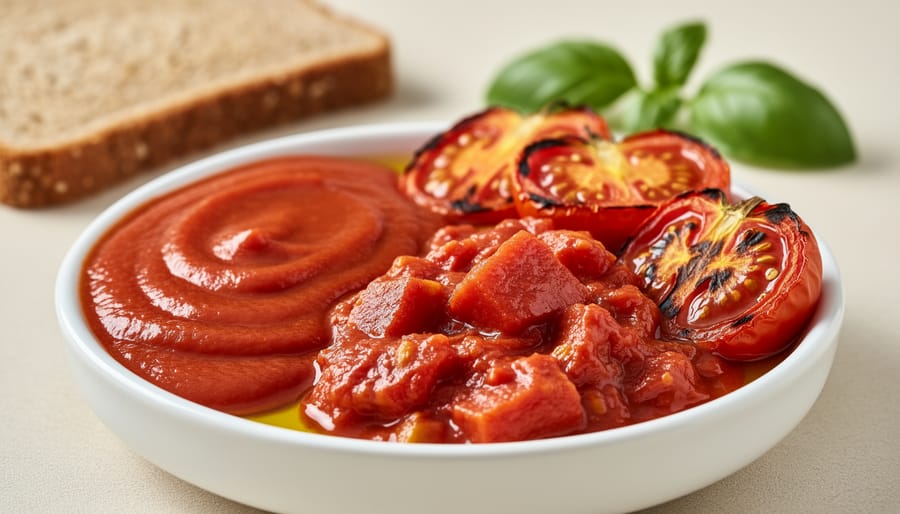
Cooked tomato products earn the top spot because heat transforms tomatoes into a lycopene powerhouse. When you cook tomatoes, whether as paste, sauce, or canned diced tomatoes, the heat breaks down cell walls and makes lycopene far easier for your body to absorb than raw tomatoes ever could. Lycopene, the red pigment that gives tomatoes their color, has strong research links to reduced prostate cancer progression and overall prostate health.
Tomato paste delivers the most concentrated lycopene per spoonful, but tomato sauce, juice, and canned tomatoes all work well. The key is consistent intake and pairing them with a bit of healthy fat, olive oil in your pasta sauce, for example, to boost absorption even further.
For Albertans, these products are affordable year-round staples. Stir a spoonful of tomato paste into soups and stews, use canned tomatoes as a base for chili, or keep jarred sauce on hand for quick weeknight meals. You’ll get prostate-protective nutrition without any special shopping trips.
2. Brazil Nuts, Selenium Powerhouse
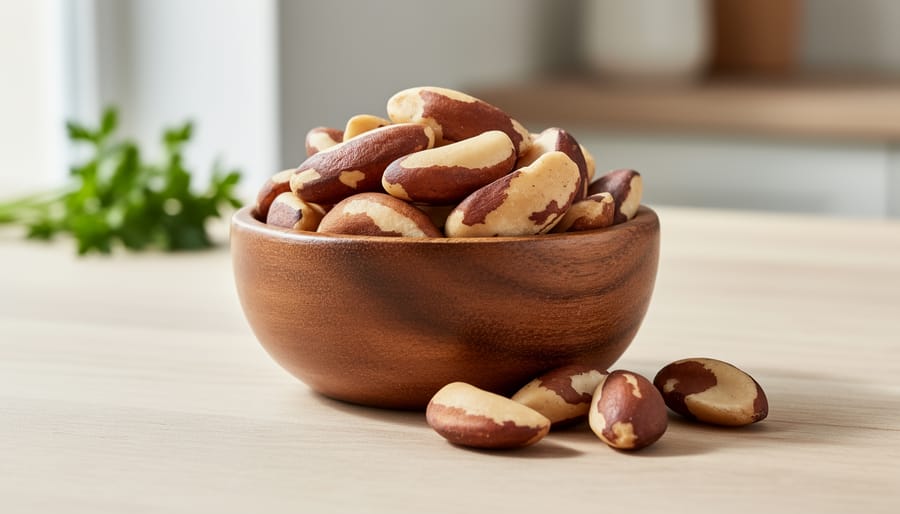
Brazil nuts deserve the number-two spot because they pack more selenium than any other food on the planet. Just one or two nuts deliver roughly 80-100 micrograms of selenium, easily meeting the adult daily requirement of 55 micrograms. This trace mineral acts as a powerful antioxidant, protecting prostate cells from oxidative damage and supporting healthy cell function. Research links adequate selenium intake to lower prostate cancer risk, making these South American nuts a simple, evidence-backed addition to your diet.
Here’s the catch: more isn’t better. Eating too many Brazil nuts can push you over the safe upper limit of 400 micrograms per day, leading to selenium toxicity with symptoms like nausea, hair loss, and nerve damage. Stick to one or two nuts daily, three to four times per week. They’re widely available in Alberta grocery stores, often sold in bulk sections or alongside other nuts. Toss a couple into your morning oatmeal, blend them into smoothies, or eat them as a quick snack. The convenience and potency make Brazil nuts an effortless way to support prostate health without supplements.
3. Broccoli and Cruciferous Vegetables, Cancer-Fighting Compounds
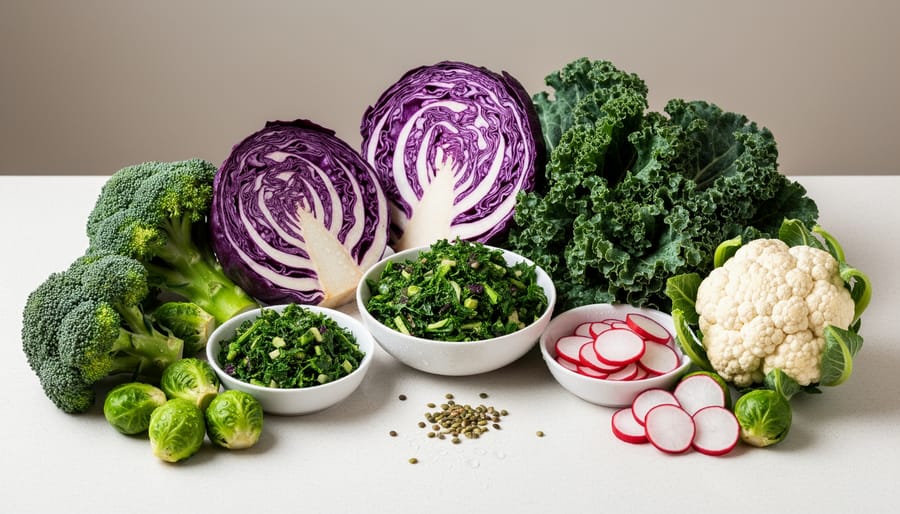
Broccoli, cauliflower, Brussels sprouts, and cabbage share a powerful trait: they contain sulforaphane and indole-3-carbinol, natural compounds that research links to cancer prevention. When you chew or chop these vegetables, enzymes activate sulforaphane, which helps your body eliminate potential carcinogens and may slow abnormal cell growth in the prostate.
Fresh or frozen cruciferous vegetables work equally well. Steam broccoli for 3-4 minutes to preserve sulforaphane while keeping texture crisp. Roast Brussels sprouts with a drizzle of olive oil at 400°F until edges brown, about 20 minutes, for a side dish that even skeptics enjoy. Shred raw cabbage into slaws or stir-fries, or simmer it gently in soups.
Aim for at least three half-cup servings per week. Alberta grocery stores stock these year-round at reasonable prices, and farmers’ markets offer local varieties from summer through fall. If you’ve avoided these vegetables in the past, try different cooking methods; roasting and light steaming often appeal more than boiling, which can intensify bitter notes.
4. Collard Greens, Kale, and Bok Choy, Leafy Green Nutritional Champions
Collard greens, kale, and bok choy deliver an impressive nutrient package that makes them standout choices for prostate support. These leafy greens are loaded with fiber, which helps maintain a healthy weight, a key factor in reducing prostate cancer risk. They’re also packed with vitamins A, C, and K, plus calcium that your body can actually use.
What sets these greens apart is their concentration of antioxidants and anti-inflammatory compounds. They contain carotenoids and flavonoids that work alongside cruciferous vegetables to protect cells from damage. Bok choy, in particular, offers a mild flavor that makes it easier to eat regularly if you’re new to leafy greens.
You’ll find all three at Alberta grocery stores year-round. Collard greens stand up well to braising or adding to soups. Kale works raw in smoothies or massaged into salads. Bok choy cooks quickly in stir-fries or as a steamed side. Aim for at least two to three servings of leafy greens per week as part of your prostate-friendly eating pattern.
5. Canned Fish with Soft Bones (Salmon, Sardines), Omega-3s and Calcium
Canned salmon and sardines deliver two crucial nutrients in one affordable package: omega-3 fatty acids for heart and prostate health, and calcium from their edible bones. Unlike fresh fish, the canning process softens bones until they’re completely digestible, turning them into a bioavailable calcium source that rivals dairy. A single can of salmon or sardines provides roughly 200-350 mg of calcium along with a full serving of anti-inflammatory omega-3s, which research links to reduced cancer progression risk and better overall prostate function.
For Alberta shoppers, canned fish offers year-round convenience without the premium price of fresh seafood. Look for wild-caught options at grocery stores across the province, where a can typically costs less than half what you’d pay for a fresh salmon fillet. The shelf stability means you can stock up during sales and always have a prostate-friendly protein on hand. Mash sardines into avocado toast, flake canned salmon over salads, or mix either into pasta with tomato sauce for a meal that combines multiple foods from this list in minutes.
6. Beans, Peas, and Lentils, Fiber and Selenium Combo
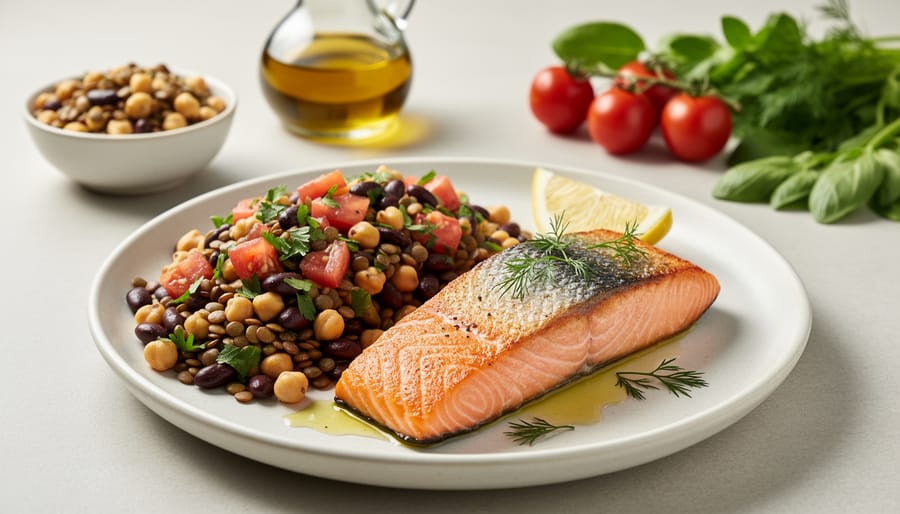
Legumes are nutritional workhorses for prostate health, delivering a powerful combination of plant protein, fiber, and selenium in every serving. A cup of cooked lentils provides about 18 grams of protein and 15 grams of fiber, while also contributing selenium, a mineral linked to reduced cancer risk. Beans, peas, and lentils support healthy weight management by keeping you full longer and stabilizing blood sugar, both important factors in reducing prostate cancer progression risk.
The variety available in Alberta grocery stores makes it easy to rotate options throughout the week. Black beans, chickpeas, kidney beans, split peas, and red lentils each offer slightly different nutrient profiles but all deliver prostate-protective benefits. Canned versions are convenient and affordable, while dried legumes cost even less and store indefinitely in your pantry.
Add a half-cup serving to soups, salads, or grain bowls several times per week. The fiber content also supports digestive health and helps maintain the plant-forward, heart-healthy eating pattern recommended for prostate wellness.
7. Tofu and Fortified Soy Milk, Plant Protein and Phytoestrogens
Tofu and fortified soy milk offer a double benefit for prostate health: complete plant protein and naturally occurring isoflavones, compounds that may help slow prostate cancer cell growth. Studies suggest men who regularly eat whole soy foods, not supplements, have lower prostate cancer rates, likely because isoflavones mimic estrogen in ways that block harmful hormone signaling in prostate tissue.
You’ve probably heard conflicting advice about soy and men’s health. The concern that soy increases estrogen or lowers testosterone isn’t supported by research. Whole soy foods like tofu, edamame, and fortified soy milk are safe and beneficial for men when eaten as part of a balanced diet.
In Alberta grocery stores, look for organic tofu (firm for stir-fries, silken for smoothies) and fortified soy milk enriched with calcium and vitamin D. A half-cup of tofu or a glass of soy milk several times a week provides meaningful isoflavone intake without the concentrated doses, and potential risks, of supplement pills. Stick with whole foods for the full nutritional package.
8. Almonds, Heart-Healthy Fats and Minerals
Almonds pack a triple punch for prostate health: vitamin E, heart-protective monounsaturated fats, and essential minerals like magnesium and zinc. These nutrients work together to reduce inflammation and oxidative stress, both linked to prostate disease progression. The same fats that support cardiovascular health also benefit prostate tissue, since the two systems share many risk factors.
What sets almonds apart is their convenience and nutrient density. Unlike some prostate-healthy foods that need cooking or preparation, almonds travel well and require zero prep time. They deliver plant protein and fiber alongside those beneficial fats, helping you maintain a healthy weight, another key factor in prostate cancer prevention.
A quarter-cup serving (about 23 almonds) provides roughly 200 calories and hits your daily vitamin E target without overdoing it. Keep portions moderate, since nuts are calorie-dense. Raw or dry-roasted almonds work equally well; just skip the honey-roasted or heavily salted versions that add unnecessary sugar and sodium. Toss them into morning oatmeal, blend into smoothies, or keep a small container in your desk drawer for an afternoon snack that genuinely supports prostate wellness.
9. Wild Salmon and Fatty Fish, Omega-3 Anti-Inflammatory Benefits
Wild salmon stands out among fatty fish for its exceptional omega-3 content, specifically EPA and DHA, the two fatty acids most directly linked to reduced inflammation throughout the body, including the prostate. Chronic inflammation is believed to contribute to prostate cancer development and progression, so regularly eating fish high in omega-3s may help protect prostate tissue and slow disease advancement. Research consistently shows men who eat fatty fish weekly have better prostate health outcomes than those who rarely include it in their diet.
In Alberta, you’ll find both fresh wild-caught salmon during summer months and high-quality frozen fillets year-round at most grocery stores. Other excellent omega-3 sources include mackerel, trout, and herring. Frozen fish is just as nutritious as fresh and often more affordable, making it practical for regular meals. Aim for two servings per week, each about the size of your palm. Baking, grilling, or poaching preserves the omega-3 content better than frying. Pair salmon with cruciferous vegetables like broccoli or leafy greens to maximize the prostate-protective benefits of your meal.
10. Pumpkin Seeds, Zinc and Healthy Fats
Pumpkin seeds pack a meaningful zinc punch in a small serving. Just one ounce delivers about 15% of your daily zinc needs, a mineral that plays a key role in prostate cell function and immune health. Traditional herbalists have long recommended pumpkin seeds for prostate support, and while research is still building, their nutrient profile, zinc, magnesium, healthy fats, and plant sterols, offers genuine benefits for prostate wellness. Unlike some specialized health foods, pumpkin seeds are affordable and easy to find in Alberta grocery stores year-round.
Adding them to your diet takes no special effort. Toss a handful onto your morning oatmeal or yogurt, blend them into smoothies, or sprinkle them over salads and roasted vegetables. You can stir them into homemade granola or trail mix, or simply keep a small container at your desk for a quick snack. Roasted or raw both work; just watch added salt if you’re managing blood pressure. A quarter-cup serving a few times per week fits naturally into a prostate-friendly eating pattern.
11. Green Tea, Antioxidant Polyphenols
Green tea rounds out this list as a complementary beverage choice that delivers powerful antioxidants called catechins, particularly epigallocatechin gallate (EGCG). Early research suggests these compounds may slow prostate cancer cell growth and reduce inflammation, though most studies are still in laboratory or early clinical stages. Green tea shouldn’t replace the whole foods above, but brewing a cup or two daily fits naturally into a prostate-protective eating pattern. Choose plain green tea over sweetened bottled versions to avoid added sugars that work against your health goals. If you’re sensitive to caffeine, try decaffeinated green tea, which retains most of the beneficial catechins. Think of green tea as a simple, affordable addition that supports the plant-forward, nutrient-rich approach outlined in this list rather than a standalone solution.
Understanding Key Nutrients for Prostate Health
The foods on this list deliver five core nutrients and compounds that research links to prostate health. Understanding what each one does, and where to find it, helps you make choices that go beyond guesswork.
- Lycopene
- A red pigment found in tomatoes and other red fruits that acts as a powerful antioxidant. Studies suggest it may slow prostate cancer cell growth and reduce inflammation in prostate tissue.
- Selenium
- A trace mineral that supports immune function and helps protect cells from damage. It plays a role in DNA repair and may reduce oxidative stress in the prostate.
- Cruciferous Compounds (Sulforaphane and Indoles)
- Natural plant chemicals found in broccoli, cabbage, and related vegetables that trigger the body’s detoxification enzymes. These compounds may help neutralize cancer-causing substances before they damage prostate cells.
- Omega-3 Fatty Acids
- Healthy fats primarily found in fatty fish that reduce inflammation throughout the body, including the prostate. Lower inflammation levels are associated with slower cancer progression and better overall prostate function.
- Dietary Fiber
- The indigestible part of plant foods that supports healthy digestion and weight management. Fiber helps regulate hormones like insulin and estrogen that can influence prostate cancer risk.
These nutrients work together, not in isolation. A tomato-and-bean chili, for example, delivers lycopene, fiber, and selenium in one bowl. When you decode food labels at the grocery store, look for whole-food sources of these compounds rather than isolated supplements, your body absorbs and uses nutrients from real food far more effectively than from pills.
Building a Prostate-Friendly Plate in Alberta
Start with what’s familiar and build from there. Most Albertans already know how to prepare vegetables, grains, and protein, the shift to a prostate-friendly plate is about choosing the right options more often. Aim to fill half your plate with vegetables at lunch and dinner, prioritizing the cruciferous choices (broccoli, Brussels sprouts, cauliflower) and leafy greens (kale, collard greens) at least four times a week. Add a serving of legumes or fatty fish as your protein, and round out the meal with whole grains like brown rice or quinoa.
Alberta grocery stores and farmers’ markets make this pattern affordable and accessible. Dried lentils, canned salmon, and frozen broccoli cost less than processed meats and deliver far more nutritional value. Stock your pantry with tomato paste, canned sardines, and a bag of almonds for quick additions to meals. During growing season, visit local markets for fresh greens and tomatoes; in winter, rely on frozen cruciferous vegetables and canned tomato products, they retain their protective nutrients year-round. Swap ground beef for lentils in chili, grill salmon instead of steak, and snack on pumpkin seeds rather than chips. Small, consistent changes add up to meaningful prostate protection without overhauling your entire diet.
Common Questions About Food and Prostate Health
Can diet alone prevent prostate cancer?
No single food or diet can guarantee prevention, but research shows that a plant-based, heart-healthy eating pattern low in processed meat, saturated fat, and refined carbohydrates may help reduce your risk and slow cancer progression if you’re already diagnosed. Think of nutrition as one powerful tool in your overall health strategy.
Do supplements work as well as whole foods for prostate health?
Whole foods are nearly always the better choice. They deliver nutrients in balanced combinations your body absorbs more effectively, plus fiber and other beneficial compounds you won’t find in a pill. Save your money and fill your plate with the real thing.
What foods should I limit or avoid for prostate health?
Cut back on processed meats like bacon and deli meat, high-fat dairy products, and foods loaded with refined sugar and white flour. These choices are linked to increased cancer risk and inflammation, so they work against your prostate-protective goals.
Are these foods still helpful if I’ve already been diagnosed with prostate cancer?
Absolutely. Good nutrition may slow cancer progression and support your body during treatment. A diet rich in vitamins, minerals, high fiber, and low in sugar helps you maintain a healthy weight and builds strength, both crucial whether you’re preventing disease or managing it.
These questions come up constantly, and the answers are encouraging: what you eat matters at every stage. You don’t need a complete diet overhaul overnight. Start by swapping one processed item for a whole food from our list, maybe canned salmon instead of deli meat for lunch, or a handful of almonds instead of chips. Small, consistent changes add up to real protection over time, and you’re building habits that support not just your prostate but your heart, weight, and energy levels too.
Supporting your prostate health doesn’t require a complete kitchen overhaul or exotic ingredients. The 11 foods on this list, from tomato paste and Brazil nuts to broccoli, beans, and green tea, are all available at Alberta grocery stores and farmers’ markets year-round. What matters most is the pattern: a plant-forward, heart-healthy approach that prioritizes whole foods, reduces processed meats and refined carbs, and helps you maintain a healthy weight.
You don’t need to tackle everything at once. Start small this week. Add a handful of almonds to your morning routine, toss a can of tomato paste into your next batch of chili, or swap your usual side for steamed broccoli. Each choice moves you toward better prostate wellness and overall health.
Good nutrition is one of the most empowering tools you have for prevention and managing your long-term health. These foods work best when they become part of your regular routine, not a temporary fix. You’ve got the knowledge, now it’s time to put it on your plate.