
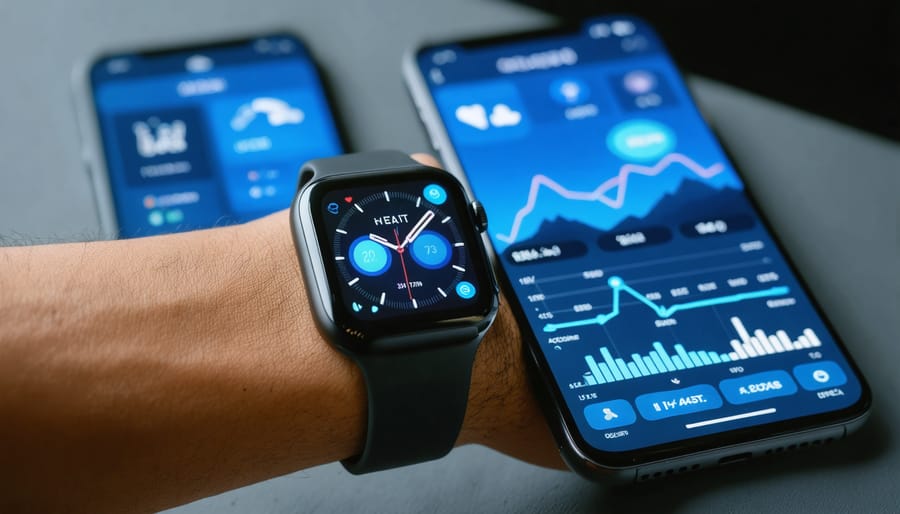
Transform your health journey with biometric wearables that put real-time health monitoring right at your fingertips. These powerful devices now track everything from heart rhythm irregularities to sleep quality, empowering Albertans to take control of their well-being like never before. Gone are the days of waiting for annual check-ups to understand your body’s signals – modern wearable technology provides instant insights that can help prevent health issues before they become serious concerns.
For thousands of Albertans managing chronic conditions or working to improve their overall health, these smart devices serve as reliable health companions, offering continuous monitoring without disrupting daily life. Whether you’re tracking blood pressure trends, monitoring glucose levels, or measuring daily activity patterns, today’s wearable health technology delivers medical-grade accuracy in a comfortable, accessible format.
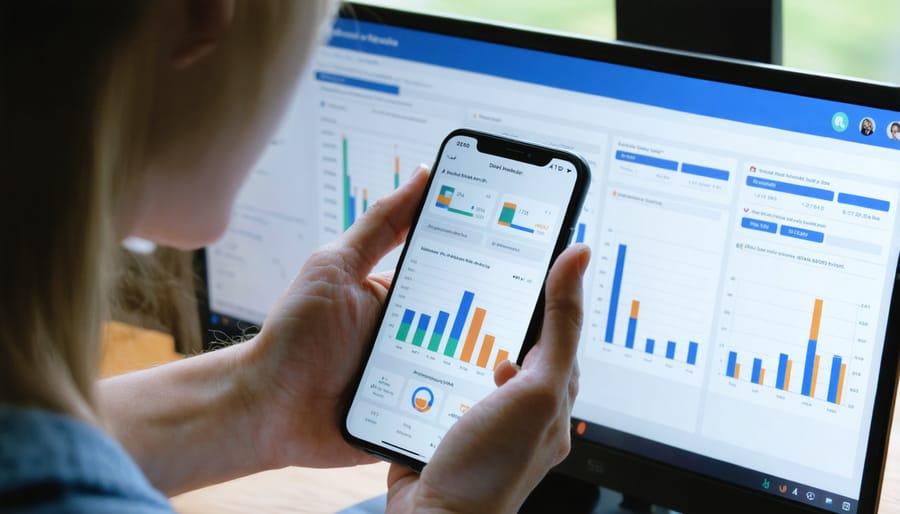
By connecting these devices to your smartphone or tablet, you’ll have a comprehensive health dashboard that helps you make informed decisions about your lifestyle and share valuable data with your healthcare team. This revolution in personal health monitoring isn’t just about collecting data – it’s about transforming how we understand and respond to our bodies’ needs.
How Modern Wearables Transform Health Monitoring

Beyond Step Counting
Today’s wearable devices do much more than count your daily steps. Modern health trackers can monitor your heart rhythm, blood oxygen levels, and even detect signs of stress through changes in your heart rate variability. Many devices now track sleep patterns, showing you not just how long you sleep, but the quality of your rest through different sleep stages.
Some advanced wearables can measure your skin temperature and perspiration levels, helping detect early warning signs of illness or infection. For athletes and fitness enthusiasts, these devices track detailed workout metrics like running stride, swimming stroke efficiency, and recovery time needed between exercises.
The latest models even include features for women’s health tracking, fall detection for older adults, and meditation guidance through breathing exercises. Some can generate ECG readings and notify you of irregular heart rhythms, though it’s important to remember these features complement rather than replace regular medical check-ups.
These advanced metrics help paint a more complete picture of your overall health, making it easier to spot patterns and make informed decisions about your wellness routine.
Real-Time Health Insights
Modern wearable devices have revolutionized how we monitor our health by providing continuous, real-time data about our bodies. Unlike traditional health tracking tools that only give snapshots of information, these devices work around the clock to detect patterns and alert you to potential health concerns before they become serious problems.
For example, your smartwatch can notify you when your heart rate is unusually high during rest, suggesting you might need to take a break or check in with your healthcare provider. Sleep tracking features can reveal how well you’re actually sleeping and help you adjust your bedtime routine for better rest.
These insights aren’t just numbers on a screen – they’re actionable information you can use to make informed decisions about your health. Whether it’s noticing that your stress levels peak during certain times of the day or understanding how your activity levels affect your blood pressure, this data helps you take control of your well-being.
The best part? You don’t need to be a health expert to understand these insights. Most devices present information in easy-to-understand formats, often with helpful suggestions for improvement.
Key Health Metrics You Can Track Today
Heart Health Monitoring
Modern wearable devices have revolutionized how we monitor heart health, making it easier than ever to keep track of vital cardiac measurements right from your wrist. These devices typically monitor three key aspects of heart health: heart rate, ECG (electrocardiogram), and blood pressure.
Your heart rate tells you how hard your heart is working throughout the day. Most wearables track this continuously, showing you your resting heart rate, exercise zones, and any concerning spikes or dips. A stable resting heart rate between 60-100 beats per minute usually indicates good heart health.
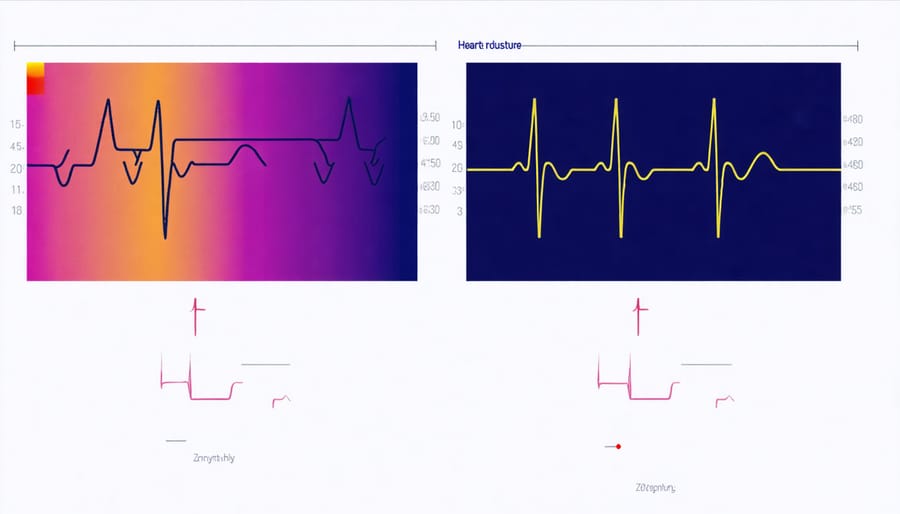
ECG monitoring, available in many newer smartwatches, can detect irregular heart rhythms that might signal atrial fibrillation. By placing your finger on the device’s sensor, you can take a reading anytime, anywhere. While these readings aren’t meant to replace medical-grade ECGs, they can help you spot potential issues to discuss with your healthcare provider.
Some advanced wearables now offer blood pressure monitoring without the traditional cuff. These devices use light sensors to measure blood flow and estimate your blood pressure. While this technology is still evolving, it provides a convenient way to track trends in your blood pressure over time.
Remember to share your wearable device data with your healthcare team – it can provide valuable insights into your heart health patterns and help guide your wellness journey.
Sleep Quality Assessment
Modern wearable devices have revolutionized how we understand our sleep patterns, offering insights that were once only available in sleep clinics. These smart devices track various aspects of your sleep, including duration, different sleep stages (light, deep, and REM sleep), and nighttime movements.
Most wearables use a combination of heart rate monitoring and motion sensors to detect when you fall asleep and wake up. They can identify sleep disruptions, such as tossing and turning or getting up during the night. This information helps you understand your sleep quality and identify patterns that might be affecting your rest.
Many Albertans are discovering that their sleep isn’t as restorative as they thought. Your wearable device can show you if you’re actually getting the recommended 7-9 hours of quality sleep, or if you’re spending too much time in lighter sleep stages.
The data from your device can help you make meaningful changes to your sleep habits. For instance, you might notice that you sleep better on days when you exercise or that late-night screen time disrupts your sleep pattern. Some devices even offer helpful features like gentle vibration alarms that wake you during lighter sleep phases, making mornings less jarring.
Remember that while these devices provide valuable insights, they’re tools for awareness rather than medical devices. Use the information to improve your sleep habits gradually and discuss any serious concerns with your healthcare provider.
Stress Management Tools
Modern wearable devices have revolutionized how we understand and manage our stress levels. These sophisticated tools use heart rate variability (HRV), skin temperature, and breathing patterns to detect stress signals before they become overwhelming. As part of a comprehensive digital stress management approach, these devices offer real-time alerts when stress levels spike.
Many popular smartwatches now include guided breathing exercises that pop up when they sense increased stress. These timely reminders help you pause and reset during busy days. Some devices also track your sleep quality and recovery time, showing how stress affects your rest and suggesting when you need more downtime.
The latest wearables can create detailed stress maps of your day, highlighting which activities or times tend to trigger stress responses. This information helps you make practical changes to your routine. For example, you might notice that your stress peaks during morning meetings, prompting you to schedule short breaks beforehand.
These devices also offer mindfulness features like meditation timers, calming music, and haptic feedback for breathing exercises. Some even provide voice coaching through stressful moments. By combining these tools with regular activity tracking, you can better understand the connection between movement, rest, and your stress levels.
Making Health Data Work for You
Understanding Your Numbers
Making sense of your health metrics doesn’t have to feel overwhelming. Modern wearable devices track various measurements, and understanding these numbers can help you take control of your health journey. Let’s break down the key metrics you’ll commonly encounter.
Your heart rate tells an important story about your cardiovascular health and fitness level. A normal resting heart rate typically falls between 60-100 beats per minute, though athletes might have lower rates. Watch for patterns in your daily readings – are they higher during stress? Lower after good sleep?
Step counts aren’t just about hitting 10,000 steps. Pay attention to your personal baseline and aim to gradually increase activity levels that work for you. The same goes for sleep tracking – focus on patterns rather than perfect numbers. Are you consistently getting less sleep on certain days?
Blood pressure readings from compatible devices can help you spot trends over time. Regular monitoring, combined with secure health data management, enables you and your healthcare provider to make informed decisions about your health.
Look for connections between different metrics. Did you notice better sleep quality when you exercised earlier in the day? Or lower stress readings after practicing mindfulness? These patterns can help you make meaningful lifestyle adjustments that improve your overall well-being.
Remember, these numbers are guides, not judgments. Use them to understand your body better and make positive changes at your own pace.
Taking Action
Now that you’ve got all this valuable health data at your fingertips, it’s time to put it to work. Start by setting realistic, achievable goals based on your current metrics. If your device shows you’re averaging 4,000 steps daily, aim for 5,000 before pushing for that 10,000-step target.
Create a regular routine for reviewing your data. Set aside a few minutes each evening to check your daily stats, and schedule a weekly review to spot patterns. Notice your heart rate spikes during meetings? Try some deep breathing exercises beforehand. Seeing poor sleep quality on work nights? Consider adjusting your bedtime routine.
Share your data with your healthcare provider during check-ups – it helps paint a clearer picture of your overall health. Many Alberta clinics now welcome this additional information to support better care decisions.
Don’t get overwhelmed by all the numbers. Focus on one or two metrics that matter most to your health goals. If you’re managing blood pressure, prioritize those readings and related exercise data. For weight management, concentrate on activity levels and sleep quality.
Remember, small changes add up. Use your device’s reminder features to prompt regular movement, water intake, or medication timing. Join local fitness groups or online communities where you can share goals and victories with others using similar devices. The key is turning these insights into sustainable healthy habits that work for your lifestyle.
As we’ve explored throughout this article, wearable health technology has revolutionized how we monitor and manage our well-being. These innovative devices have transformed from simple step counters into sophisticated health companions that can track everything from heart rhythms to sleep patterns, empowering Albertans to take control of their health journey.
The benefits of wearing these smart health devices extend far beyond basic fitness tracking. They provide real-time health insights, enabling early detection of potential health issues and supporting better management of chronic conditions. For many of our neighbours here in Alberta, these devices have become invaluable tools in maintaining healthy lifestyles and staying connected with healthcare providers.
The convenience and accessibility of wearable health technology make it easier than ever to stay engaged with your health goals. Whether you’re managing diabetes, monitoring your heart health, or simply working to maintain an active lifestyle, these devices offer personalized support and motivation right on your wrist.
Getting started with wearable health technology doesn’t have to be overwhelming. Begin with a device that matches your specific health needs and gradually explore its features. Many local community health centers and fitness facilities offer workshops on using these devices effectively, and your healthcare provider can help you interpret the data to make meaningful health decisions.
Remember, the most sophisticated device won’t make a difference unless you commit to using it consistently. Start small, set achievable goals, and let your wearable device be your partner in building healthier habits. The investment in your health today through these innovative tools can lead to better health outcomes tomorrow.
As technology continues to advance, wearable health devices will become even more integral to preventive healthcare and chronic disease management. By embracing these tools now, you’re not just monitoring your health – you’re actively participating in the future of healthcare, where prevention and early intervention take center stage.
Take the first step today. Your health journey can be enhanced with the right wearable technology, supporting you in achieving your wellness goals and maintaining a healthier, more active lifestyle.