
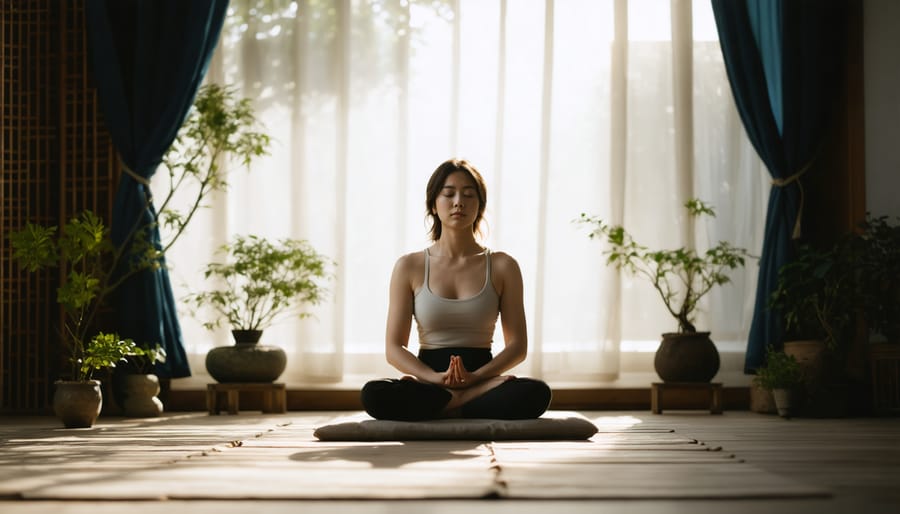
Close your eyes, take a deep breath, and let your shoulders drop. This simple three-step sequence unlocks the gateway to mindfulness meditation, one of the most powerful natural stress relief methods available to us. In today’s fast-paced world, where chronic stress and anxiety have become unwelcome companions, mindfulness offers a practical path to mental clarity and emotional balance.
The beauty of mindfulness lies in its accessibility—no special equipment or expensive memberships required. Whether you’re dealing with workplace pressure, managing a health condition, or simply seeking a moment of peace, these time-tested techniques can transform your daily experience. By dedicating just 10 minutes each morning to mindful breathing, body scanning, or loving-kindness meditation, you’re investing in your long-term mental and physical wellbeing.
Think of mindfulness as strength training for your mind. Just as you wouldn’t expect to build muscle without consistent exercise, developing mindfulness requires regular practice. But the rewards—reduced stress, improved focus, better sleep, and enhanced emotional regulation—make every minute of practice worthwhile.
The Science Behind Mindfulness and Your Health
Research continues to reveal the powerful impact of mindfulness on our physical and mental well-being. Scientists have discovered that regular mindfulness practice can help you manage chronic stress by reducing cortisol levels and calming your nervous system.
When you practice mindfulness regularly, your brain actually changes. Studies using brain imaging show increased activity in areas responsible for emotional regulation and decision-making, while areas linked to anxiety and stress become less active. This explains why many practitioners report feeling more balanced and clear-headed.
The benefits extend far beyond mental health. Regular mindfulness practice has been shown to lower blood pressure, strengthen immune function, and improve digestive health. For Albertans managing chronic conditions like diabetes or heart disease, mindfulness can be a valuable tool in their treatment plan.
One fascinating discovery is how mindfulness affects inflammation in the body. Research shows that consistent practice can reduce inflammatory markers associated with chronic diseases. This makes mindfulness a powerful preventive tool, especially for those with a family history of certain health conditions.
Sleep quality also improves with regular mindfulness practice. By calming racing thoughts and reducing anxiety, practitioners often report falling asleep faster and experiencing more restful sleep. Better sleep, in turn, supports overall health and disease prevention.
Perhaps most encouraging is that these benefits are accessible to everyone, regardless of age or physical condition. Even brief daily practices of 10-15 minutes can lead to meaningful improvements in both physical and mental health. The key is consistency rather than length of practice.
For those new to mindfulness, the positive effects can be felt within weeks of starting a regular practice. Many practitioners report reduced stress, better focus, and improved emotional balance as some of the first noticeable benefits.

Starting Your Mindfulness Journey: The Basics
Creating Your Meditation Space
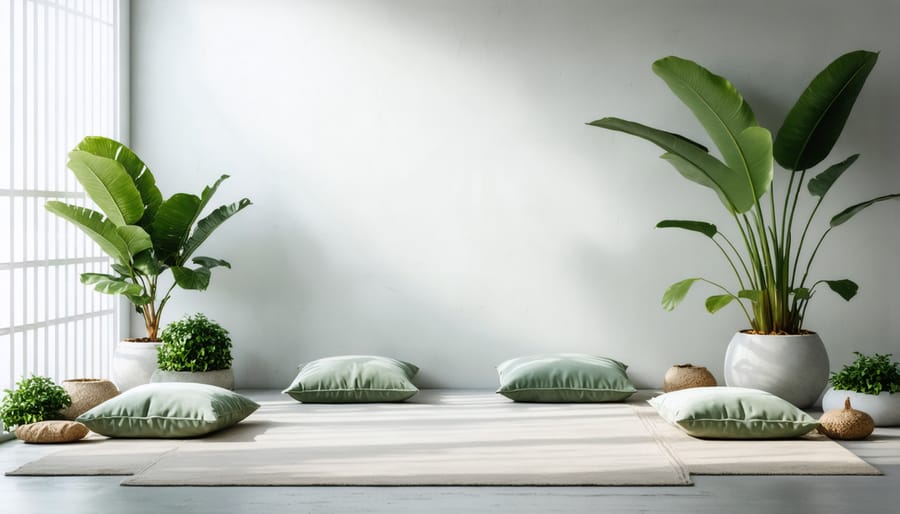
Creating a dedicated meditation space doesn’t require a complete room makeover or expensive equipment. Start by choosing a quiet corner in your home where you won’t be disturbed. This could be a spare bedroom, a cozy nook in your living room, or even a peaceful spot in your backyard during Alberta’s warmer months.
Keep your space clean and clutter-free to minimize visual distractions. Add comfortable seating like a cushion, meditation pillow, or chair – whatever allows you to maintain good posture without discomfort. Consider using soft lighting or natural light from a window, as harsh lighting can be jarring.
Many people find it helpful to incorporate calming elements like plants, a small water fountain, or meaningful objects that promote tranquility. Essential oils in a diffuser can help create a soothing atmosphere – lavender and chamomile are particularly relaxing choices.
Temperature matters too – keep your space comfortably cool, as meditation can naturally warm your body. Finally, consider using a timer or meditation app to eliminate the distraction of checking the time.
The Right Time to Practice
Finding the right time to practice mindfulness and meditation doesn’t mean squeezing it into an already packed schedule – it’s about creating a sustainable routine that works for you. Many Albertans find early morning meditation particularly effective, as it helps set a positive tone for the day before the busy world kicks in.
Start by identifying your natural energy patterns. Are you more alert in the morning, or do you feel more centered in the evening? Choose a time when you’re least likely to be interrupted and when your mind is relatively clear. For many people, this means waking up 15-20 minutes earlier than usual.
Consider these optimal times:
– First thing in the morning, before checking emails or news
– During your lunch break
– Right after work, to create a boundary between work and home life
– Before bedtime, to help wind down (just be mindful not to fall asleep)
The key is consistency rather than duration. Starting with just 5 minutes daily at the same time is more beneficial than irregular 30-minute sessions. As you build the habit, gradually increase the duration.
If you’re managing a chronic condition or dealing with stress, try incorporating mini-meditation breaks throughout your day. These can be as simple as taking three mindful breaths while waiting for coffee or practicing awareness while walking to your car.
Remember that flexibility is important – some days your routine might need adjustment. What matters is maintaining the practice, even if the timing shifts. Start where you are, and let your practice grow naturally into your daily life.
Essential Meditation Techniques for Beginners
Breath Awareness Meditation
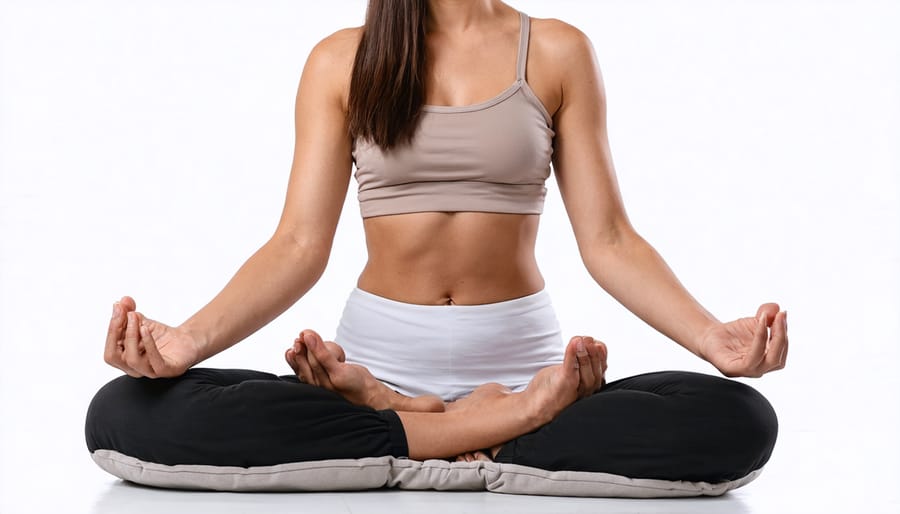
Begin by finding a quiet, comfortable spot where you won’t be disturbed. Sit in a position that feels natural, whether that’s cross-legged on the floor or in a chair with your feet flat on the ground. Keep your back straight but not rigid, and rest your hands gently on your lap.
Close your eyes or soften your gaze, focusing on a spot a few feet in front of you. Take a moment to notice the weight of your body and the points of contact with the surface beneath you. There’s no need to change anything – simply observe.
Now, bring your attention to your breath. Notice the natural rhythm of your breathing without trying to control it. Feel the sensation of air moving through your nostrils or mouth, the rise and fall of your chest or belly. When you breathe in, be aware that you’re breathing in. When you breathe out, be aware that you’re breathing out.
Your mind will naturally wander – this is completely normal. When you notice your thoughts drifting, gently guide your attention back to your breath without judgment. Think of this like training a puppy – each time it wanders, you kindly bring it back.
Start with 5-10 minutes daily and gradually increase the duration as you become more comfortable. Remember, there’s no “perfect” way to meditate. The simple act of returning to your breath, again and again, is the practice itself.
Body Scan Meditation
The body scan meditation is a powerful technique that helps you develop deeper awareness of your physical sensations and mental state. Find a quiet space where you can lie down comfortably without being disturbed for about 15-20 minutes.
Start by lying on your back with your arms at your sides, palms facing up. Take a few deep breaths to settle in. Now, bring your attention to your toes on your left foot. Notice any sensations – warmth, coolness, tingling, or pressure. Don’t try to change anything; simply observe what’s there.
Gradually move your attention up through your left foot, ankle, calf, knee, and thigh. Continue this process with your right leg, then move to your pelvis, lower back, abdomen, and chest. Pay attention to your breathing as you scan each area.
Progress through your shoulders, down each arm to your fingertips, then up your neck to your face. Notice the sensations in your jaw, cheeks, around your eyes, and forehead. If your mind wanders, gently bring it back to the body part you’re focusing on.
Finally, become aware of your body as a whole. Notice how you feel compared to when you started. This practice helps reduce stress, improves body awareness, and can be particularly helpful for managing chronic pain or tension.
Remember, there’s no right or wrong way to experience sensations – simply observe them with curiosity and kindness.
Walking Meditation
Walking meditation combines the benefits of mindfulness with gentle physical activity, making it perfect for those who find sitting still challenging. Start by choosing a quiet path or space where you can walk uninterrupted for 10-15 minutes – this could be in your local park, backyard, or even a peaceful hallway.
Begin walking at a slower pace than usual, focusing your attention on each step. Notice how your feet connect with the ground – feel your heel touching down first, then the ball of your foot, and finally your toes. Pay attention to the shifting of your weight and the natural movement of your legs.
As you walk, maintain awareness of your breathing without trying to change it. Let your arms swing naturally at your sides. When your mind wanders (which is perfectly normal), gently bring your focus back to the physical sensations of walking.
You can practice this technique anywhere, whether you’re walking to work, running errands, or taking an evening stroll. Many Albertans find this particularly helpful during our milder seasons, using it as a way to combine mindfulness practice with outdoor activity.
Remember, walking meditation isn’t about reaching a destination – it’s about being present in each step. Start with short sessions and gradually increase the duration as you become more comfortable with the practice.
Integrating Mindfulness Into Daily Life
Making mindfulness a part of your daily routine doesn’t require hours of meditation or complete lifestyle changes. By incorporating simple mindfulness practices into your everyday activities, you can experience the benefits throughout your day. Here are practical ways to bring mindfulness into your life:
Start with morning rituals: Take a few mindful breaths before getting out of bed. Notice the sensation of your feet touching the floor, and bring awareness to your morning routine, from brushing your teeth to preparing breakfast.
Practice mindful eating: During meals, focus on the colors, textures, and flavors of your food. Put down your utensils between bites, and avoid distractions like phones or television.
Transform daily tasks: Turn ordinary activities into mindfulness exercises. While washing dishes, focus on the warmth of the water and the sensation of soap bubbles. During your daily walk, notice the sounds around you and the feeling of movement in your body.
Use transition moments: Red lights, waiting in line, or commercial breaks can become mini-meditation opportunities. Use these natural pauses to check in with your breath and body.
Create mindful breaks: Set regular reminders on your phone to take short “mindfulness breaks.” Even 60 seconds of focused breathing can help reset your mind and reduce stress.
These practices, combined with other holistic wellness practices, can significantly improve your mental and physical well-being. Remember, mindfulness isn’t about perfection – it’s about returning to the present moment whenever you notice your mind has wandered.
Make your environment work for you by placing small reminders around your home or workplace. A sticky note on your computer screen or a special object on your desk can serve as mindfulness triggers, prompting you to pause and reconnect with the present moment.
Start small, be patient with yourself, and gradually build these practices into your daily routine. The key is consistency rather than duration.
As we’ve explored throughout this article, mindfulness and meditation aren’t just trendy buzzwords – they’re powerful tools that can transform your daily life and overall well-being. Whether you’re dealing with stress, managing a health condition, or simply seeking more peace in your busy Alberta lifestyle, these practices offer accessible ways to improve your mental and physical health.
Remember, you don’t need special equipment or hours of free time to begin. Start with just five minutes of mindful breathing each day, gradually building your practice as you feel comfortable. The key is consistency rather than perfection. Even brief moments of mindfulness during your daily activities – while drinking your morning coffee, walking through your neighborhood, or waiting in traffic – can make a significant difference.
Consider joining local meditation groups in your community or exploring guided sessions at wellness centers throughout Alberta. Many people find that group practice helps maintain motivation and provides valuable support on their mindfulness journey.
As you begin or continue your mindfulness practice, be patient with yourself. Each person’s experience is unique, and there’s no “right way” to meditate. Focus on what works for you, and celebrate small progress along the way. The techniques we’ve discussed are your toolkit – use them flexibly to create a practice that fits your lifestyle and needs.
Take that first step today. Your future self will thank you for starting this journey toward greater awareness, reduced stress, and improved well-being.