

Impotence and erectile dysfunction (ED) are the same condition. Doctors prefer “erectile dysfunction,” but “impotence” is the older, everyday term for the same thing: not being able to get and keep an erection firm enough for sexual activity.
So what causes it? For most men, the answer is physical, and it usually comes down to blood supply. Abnormalities in the blood vessels or nerves of the penis account for most cases, while hormonal and structural problems can play a part too. Stress, tiredness, and drinking too much alcohol can get in the way as well, and it’s common for more than one cause to be at work at once.
Your quickest first check is a simple pattern check. Do erections happen at some times but not others, such as after a rough week, a late night, or a few drinks? That points toward stress, fatigue, or alcohol. Do they struggle most of the time? That deserves a conversation with your doctor, since ED can be an early signal of a blood vessel or nerve issue worth looking into.
You’re not alone, and this is one of the most treatable health concerns men bring to their doctors. Below, we’ll sort out your symptoms, walk through the likely causes, and lay out a step-by-step plan, including when to book an appointment and which everyday habits help protect your health for the long run.
Impotence vs. Erectile Dysfunction: Same Problem, Different Name
If you’ve ever wondered whether impotence and erectile dysfunction are two different problems, here’s the short answer: they’re not. Impotence is the older, everyday word. Erectile dysfunction, or ED, is the term most doctors use today. Both mean the same thing: not being able to get and keep an erection firm enough for sexual activity.
So why did the language change? “Impotence” can sound harsh, almost like a judgment, which is part of why health professionals moved toward a more neutral, medical term. And to be clear, neither word says anything about a man’s worth, strength, or masculinity. ED is a health issue, much like high blood pressure or a sore knee, and it deserves the same practical, no-shame attention.
You might hear a few other words at the doctor’s office. Here’s what they mean in plain language:
- Impotence
- The older, everyday word for erectile dysfunction. It describes the same condition.
- Erectile dysfunction (ED)
- Not being able to get and keep an erection firm enough for sexual activity. This is the preferred medical term.
- Blood vessels
- The small tubes that carry blood through your body. Healthy blood flow to the penis is a key part of getting an erection.
- Nerves
- The body’s messaging lines. They carry signals between your brain and the penis, so problems with them can affect erections.
- Hormones
- Chemical messengers that help regulate many body functions. Hormonal disorders are one possible cause of ED.
- Psychological causes
- Mind-related triggers like feeling nervous, anxious, frustrated, or tired that can interfere with erections.
Knowing these terms makes the conversation with your doctor easier. You can use whichever word feels most comfortable, because health professionals hear both and will know exactly what you mean.
Is It ED? A Quick Symptom Check Before You Worry

Everyone has an off night now and then. A missed erection after a stressful week, a few too many drinks, or a night of poor sleep is common, and it doesn’t automatically mean ED. Feeling nervous, anxious, frustrated, or tired can all get in the way, and alcohol can too. If a rough patch is the likely culprit, a steadier sleep routine and a little less stress often help things settle down.
What deserves a closer look is a pattern. If trouble getting or keeping an erection firm enough for sex keeps happening, it’s worth looking into. A few simple questions can help you sort it out. Did it come on suddenly or build up gradually? Does it happen only in certain situations, or nearly every time? Are you still waking up with erections? This isn’t a diagnosis, just a way to notice what’s going on so you can talk it through with a professional.
| What you’re noticing | What it might point to | Suggested next step |
|---|---|---|
| One-off trouble after a stressful week, a late night, or drinking | Stress, tiredness, or alcohol | Self-care first: rest, ease up on alcohol, and see if things improve |
| Trouble only in certain situations, with morning erections still present | Nerves, worry, or emotional strain | Try small changes and talk openly with your partner |
| Trouble that keeps happening or is slowly getting worse | Something physical, such as blood flow or nerves | Book a visit with your doctor |
| Sudden change that comes with other health concerns | Worth a proper check-up | Book a visit with your doctor soon |
Think of this as a starting point, not a verdict. Spotting your own pattern gives you something concrete to share, and that makes the next conversation easier.
Likely Causes of Erectile Dysfunction

Blood Flow and Nerve Problems: The Most Common Culprits
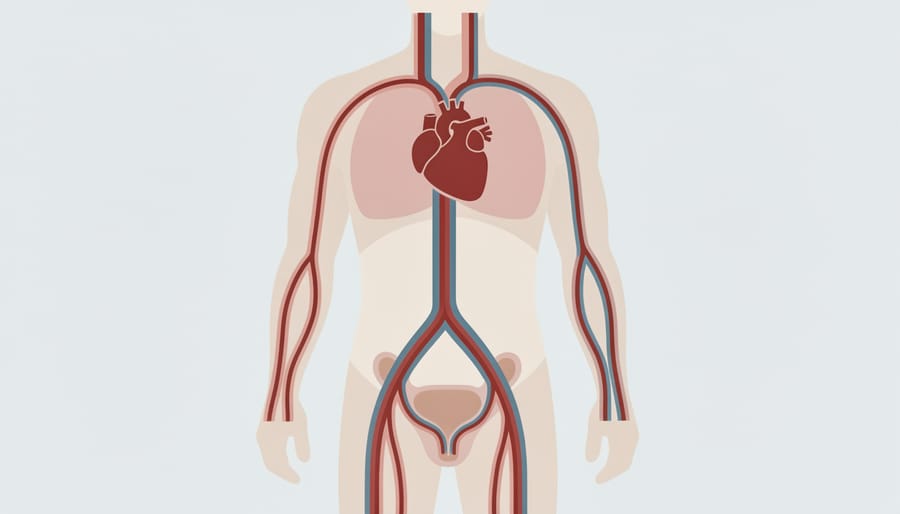
An erection is a team effort between your blood vessels and your nerves. Nerves send the signal, blood vessels widen to let extra blood flow in, and the blood stays put long enough to make the erection firm. If something interrupts that chain, things don’t work the way they should. That’s why most cases of ED come down to abnormalities in the blood vessels or nerves of the penis, which is also why blood supply related causes are so common.
The good news is that many of the things that affect blood vessels and nerves are things you can manage with your care team:
- High blood pressure, which can strain and narrow blood vessels over time.
- Heart and circulation concerns that limit healthy blood flow.
- Diabetes, which can affect both small blood vessels and nerves. Our guide to ED and diabetes explains your options.
- Carrying extra weight, which puts added load on your circulation.
- Smoking and heavy drinking, which can irritate blood vessels and dull nerve signals.
If one of these sounds familiar, take it as a helpful nudge rather than a worry. ED can sometimes be an early sign that it’s time to check in on your overall health, and researchers even look at ED as cardiovascular risk marker. Catching things early gives you more ways to feel your best.
Hormonal and Structural Causes
Blood flow and nerves get most of the attention, but they aren’t the whole story. Hormonal disorders and structural disorders can also play a part in erectile dysfunction. These are a smaller piece of the picture, so there’s no need to jump to worst-case thinking.
In simple terms, a hormonal cause means something in the body’s chemical messaging system is out of balance. A structural cause means something about the physical makeup of the penis or the area around it is affecting how an erection works.
Here’s the reassuring part: a doctor can check for these. It usually starts with a conversation about your health history and symptoms, and your doctor can then decide whether any tests make sense. You don’t have to figure out the cause on your own, and ruling these possibilities in or out is a routine part of getting answers.
Stress, Tiredness, Nerves, and Alcohol: When Daily Life Gets in the Way
Daily life can get in the way of an erection more often than most people admit. Feeling nervous, anxious, frustrated, or tired can all cause erection problems, and none of that says anything about your health or your masculinity. Worry about performance can even feed itself: one off night leads to tension the next time, and the tension makes things harder. The anxiety and fatigue effects on erections are well recognized, and they’re a normal human response.
Alcohol and substances play a part too. Drinking too much, or using substances, can affect erections, even if you don’t drink often. If a rough week or a late night out lines up with your trouble, that’s a useful clue.
The good news is that these triggers often ease once you address them. Try a few simple stress strategies protect your sleep, and cut back on alcohol where you can. Small changes like these tend to take the pressure off.
Often It’s More Than One Thing
Here’s something that surprises a lot of men: erection trouble rarely has just one cause. Physical and emotional factors tend to feed into each other, and that loop can make things feel worse than they are.
Say a blood flow issue makes an erection harder to keep. The next time, you might feel nervous or frustrated beforehand. That worry can make it even harder, and the cycle builds. Tiredness or a few too many drinks can add another layer on top.
None of this means anything is wrong with you. It simply means the full picture matters, and that’s why a good starting point is a conversation with your doctor.
Think of it as a team effort. You share what you’ve noticed, and your doctor helps sort out which pieces are physical, which are emotional, and which habits might be worth adjusting. Most men find it’s a far easier conversation than they expected.
What to Try First: A Step-by-Step Plan to Sort Out the Cause
When you’re not sure what’s behind the problem, a calm, step-by-step approach works better than guessing. You don’t need to fix everything at once. Start small and build from there.
- Notice the pattern. Jot down when erection problems happen, how long they’ve been going on, and what else was going on that day, like a stressful deadline or a late night.
- Check your sleep, stress, and alcohol. Feeling nervous, anxious, frustrated, or tired can cause erection problems, and drinking alcohol or using substances can affect erections too. Try one small change for a few weeks, such as an earlier bedtime or fewer drinks.
- Look at your everyday habits. Add a bit more movement, eat more meals built around vegetables and whole foods, and be honest with yourself about your weight and activity level.
- Talk with your partner. A simple, open conversation takes a lot of pressure off, and pressure alone can make things harder.
- Book a visit with a family doctor or nurse practitioner. Bring your notes so the conversation starts from facts, not guesses.
Remember that for most men, ED has a physical cause, usually involving blood supply or the nerves of the penis. So even if your habits need work, a check-up is still worth it. Lifestyle changes can help, but they don’t replace finding the real cause.
At the appointment, expect everyday questions. Your doctor will usually ask about your health history, any medications you take, and your lifestyle. They may do a physical exam and might suggest some tests to look for causes, including things like hormonal or structural issues. None of this is unusual. Health professionals talk about erection problems all the time, and it’s a routine part of their work.
If you live in Alberta, your family doctor or a nurse practitioner at a local primary care clinic is a good place to begin. If you don’t have a regular provider, you can ask a local clinic or pharmacy about options near you. Taking that first step is a sign you’re looking after your health, and it’s often the quickest way to get clear answers.
When to See a Doctor About Erection Problems

If erection problems keep happening, it’s time to book an appointment. A single off night after a stressful week, poor sleep, or a few drinks isn’t usually a concern. A pattern is different. If trouble getting or keeping an erection firm enough for sex shows up again and again, a conversation with your doctor or nurse practitioner is a smart next step.
It’s also worth booking a visit if the problem is weighing on you or putting strain on your relationship. Worry, frustration, and pulling away from a partner can make things harder, so getting answers sooner often brings relief on its own.
Pay extra attention if erection problems appear alongside other health concerns. Because most cases involve the blood vessels or nerves, ED can be linked to other conditions, which makes a check-up worthwhile even if the erection problem feels like the only issue. Think of it as part of your regular preventive care in the same way you’d check in about blood pressure or blood sugar.
Your provider will treat the topic as routine. They’ll ask questions, look at the bigger picture, and help you figure out what’s behind it.
Everyday Habits That Support Erection Health and Prevent Problems
The same habits that protect your heart and blood vessels also support erection health. Since most ED comes down to blood flow and nerves, looking after your whole body is one of the best things you can do. You don’t need a big overhaul. A few steady habits go a long way.
Here’s a simple place to start:
- Move most days: aim for a brisk walk, a swim at your local rec centre, or a loop on an Alberta river valley trail.
- Eat for your heart: fill half your plate with vegetables and fruit, and choose whole grains, beans, fish, and nuts more often.
- Protect your sleep: keep a regular bedtime and put screens away for the last half hour of the day.
- Make room for calm: try a short walk, deep breathing, or a community class like yoga or tai chi to take the edge off stress.
- Go easy on alcohol: set a limit before you go out, and skip substances that can interfere with erections.
Regular physical activity is a good anchor habit, because it helps with weight, blood pressure, mood, and sleep all at once. If joining a group feels easier than going solo, check what your town or city offers. Many Alberta communities run walking groups, fitness classes, and low-cost programs that make it easier to stick with it.
Keeping a healthy weight matters too, but think progress, not perfection. Small changes you can keep up beat strict plans that burn out fast.
Finally, don’t skip routine check-ups. If you’re managing diabetes, high blood pressure, or high cholesterol, staying on top of your treatment plan protects the blood vessels and nerves that erections depend on. Think of these habits as an investment in how you feel every day, not just a fix for one concern.
Common Questions About Impotence and Erectile Dysfunction
What causes erectile dysfunction?
For most men, the cause is physical, usually tied to blood supply to the penis, with abnormalities of the blood vessels or nerves behind most cases. Hormonal and structural disorders can also play a role, and so can stress, tiredness, or too much alcohol.
Is impotence the same as ED?
Yes. Impotence is the older, everyday word, and erectile dysfunction is the more current medical term for the same problem: not being able to get and keep an erection firm enough for sex.
Can stress, tiredness, or alcohol cause it?
They can. Feeling nervous, anxious, frustrated, or tired can interfere with erections, and drinking too much alcohol or using substances can too. These triggers are common and often ease once they’re addressed.
When should you see a doctor for erectile dysfunction?
Book a visit if the problem keeps happening, causes you distress, strains a relationship, or shows up alongside other health concerns. Doctors talk about this routinely, so there’s nothing to be embarrassed about.
Broadly, doctors think about ED as having physical contributors, emotional or lifestyle contributors, or a mix of both. That’s why an evaluation usually starts with a conversation about your health history, medications, and daily habits, followed by a basic exam and possibly some tests to look for underlying causes. None of this needs to feel intimidating. It’s simply a way to figure out what’s going on so you and your doctor can choose the right next step.
Impotence and erectile dysfunction are the same thing, just two names for trouble getting or keeping an erection firm enough for sex. For most men, the cause is physical, usually tied to blood vessels or nerves. Stress, tiredness, and too much alcohol can play a part too, and none of that says anything about your worth.
The good news is that help is out there, and you don’t have to figure it out alone. Pick one small step this week. Jot down when the problems show up. Ease off on one habit, like late nights or extra drinks. Or book a quick conversation with your family doctor or nurse practitioner, who hears about this all the time.
Looking after your health is something you do for yourself and the people around you. Here in Alberta, you’ve got a community of care to lean on, so take that first step when you’re ready.