
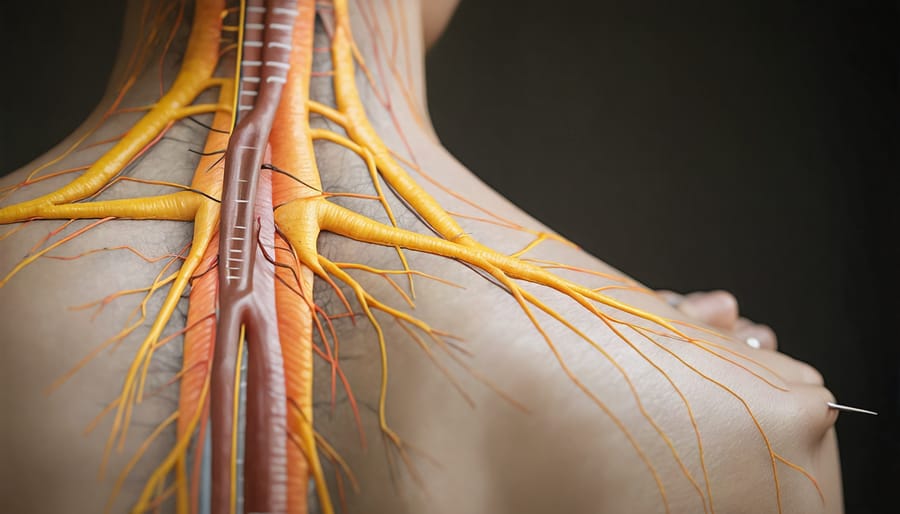
Acupuncture’s ability to relieve pain has puzzled and fascinated Western medicine for decades, yet millions of people continue to find relief through this ancient practice. As both a natural pain relief method and a scientifically-studied therapy, acupuncture works through multiple mechanisms in your body. When hair-thin needles are inserted at specific points, they trigger your nervous system to release pain-blocking chemicals and anti-inflammatory compounds. This starts a cascade of healing responses: increased blood flow to injured areas, reduced muscle tension, and activation of your body’s natural pain-management systems. Modern research has revealed that acupuncture points often correspond to clusters of nerve endings and connective tissue, explaining why this 2,500-year-old technique continues to provide effective pain relief for conditions ranging from chronic back pain to migraine headaches. Understanding how acupuncture works helps explain why 85% of Alberta practitioners report successful pain management outcomes in their patients.
The Traditional Chinese Medicine Perspective
Beyond Ancient Wisdom
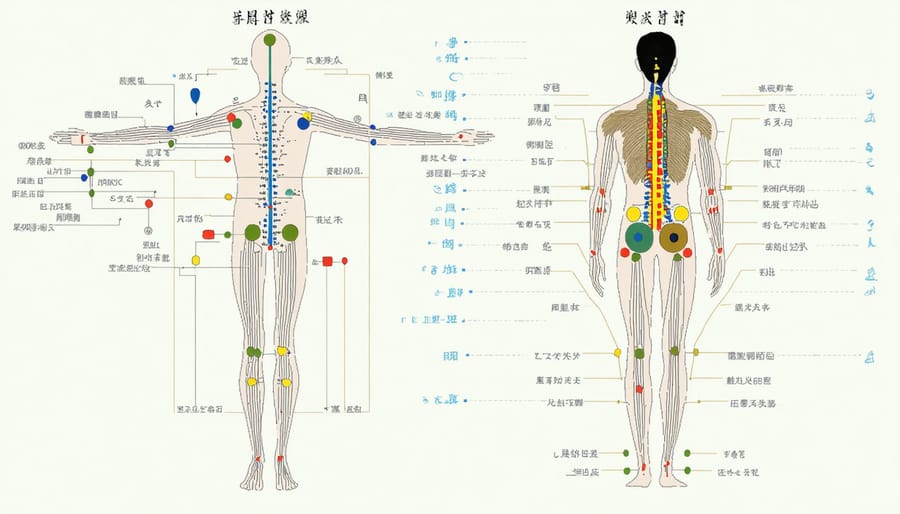
While ancient Chinese medicine explains acupuncture through the flow of qi along meridians, modern science offers complementary insights into how this time-tested practice relieves pain. Research shows that acupuncture needles trigger the release of natural pain-fighting chemicals like endorphins and serotonin in our bodies. These needles also stimulate nerve pathways that can block pain signals from reaching our brain.
What’s fascinating is how these modern discoveries align with traditional wisdom. The ancient acupuncture points often correspond with areas rich in nerve endings and blood vessels – locations we now know are crucial for pain management. This bridge between old and new understanding helps explain why acupuncture continues to be effective for many Albertans seeking natural pain relief solutions.
The Science Behind the Needles
Your Body’s Natural Pain Fighters
When acupuncture needles are inserted at specific points, your body responds by activating its natural pain-fighting mechanisms. The tiny needle insertions trigger your nervous system to release endorphins – your body’s natural painkillers. These powerful chemicals work similarly to morphine, helping to reduce pain and create a sense of well-being.
Along with endorphins, acupuncture stimulates the release of serotonin, a neurotransmitter that helps regulate mood and can complement mindfulness techniques for pain management. The treatment also increases blood flow to treated areas, bringing oxygen and nutrients that support natural healing.
Your body’s response to acupuncture isn’t just temporary. Regular sessions can help maintain higher levels of these pain-fighting chemicals, leading to longer-lasting relief. Think of it as training your body to be better at managing pain naturally. This explains why many Albertans find acupuncture effective for both acute and chronic pain conditions, without relying on medication.

Inflammation and Healing
Acupuncture plays a significant role in helping your body reduce inflammation naturally and speed up healing. When the tiny needles are inserted into specific points, they trigger your body’s natural healing response. This process increases blood flow to the affected areas, bringing oxygen and nutrients that help repair damaged tissues.
Research shows that acupuncture stimulates the release of anti-inflammatory substances in your body, including beta-endorphins and other natural compounds that help calm inflammation. Think of it as pressing a reset button on your body’s healing mechanisms. The needles create what experts call “microtrauma” – tiny, beneficial stress points that prompt your body to focus its healing resources on those areas.
For Albertans dealing with chronic pain conditions like arthritis or sports injuries, this inflammation-fighting effect can be particularly beneficial, especially during our long winters when joint pain tends to flare up. Many patients report feeling relief after just a few sessions, though your practitioner will develop a treatment plan based on your specific needs.
Real Benefits for Common Pain Conditions
Research shows that acupuncture effectively treats various common pain conditions that many Albertans face daily. Back pain, particularly lower back pain, responds remarkably well to acupuncture treatment, with many patients reporting significant relief after just a few sessions.
Neck pain and shoulder tension, often caused by long hours at desk jobs or poor posture, also show notable improvement with regular treatments. Headaches and migraines, which affect millions of Canadians, frequently decrease in both intensity and frequency when managed with acupuncture.
Joint pain conditions, including osteoarthritis and knee pain, benefit from acupuncture’s anti-inflammatory effects. Many patients report improved mobility and reduced pain, especially during our cold Alberta winters. For those dealing with chronic conditions like fibromyalgia or nerve pain, acupuncture can provide meaningful relief when conventional treatments fall short.
Athletes and active individuals find acupuncture particularly helpful for sports injuries and muscle strains. The treatment accelerates healing and helps prevent future injuries by improving overall body function and flexibility.
Menstrual pain and pregnancy-related discomfort also respond well to acupuncture, offering a natural alternative to medication. Even dental pain and temporomandibular joint (TMJ) disorders can be effectively managed through targeted acupuncture treatments.
Remember that while acupuncture shows promising results for these conditions, individual experiences may vary, and it’s essential to work with a qualified practitioner who understands your specific needs.

What to Expect During Treatment
During an acupuncture session in Alberta, you’ll first meet with a registered acupuncturist who will review your medical history and current symptoms. The treatment typically takes place in a quiet, comfortable room where you’ll lie on a padded table. Your practitioner will insert very thin, sterile needles at specific points on your body. Most people feel minimal discomfort – perhaps a slight pinch or tingling sensation.
Sessions usually last 30-60 minutes, during which the needles remain in place while you relax. Many patients report feeling deeply relaxed or energized afterward. Your practitioner may recommend a treatment plan of 6-12 sessions, depending on your condition.
To find a qualified acupuncturist in Alberta, look for practitioners registered with the College and Association of Acupuncturists of Alberta (CAAA). These professionals must complete extensive training and maintain strict safety standards. Many extended health insurance plans in Alberta now cover acupuncture treatments, so check with your provider about coverage options.
Remember to wear loose, comfortable clothing to your appointment and eat a light meal beforehand to prevent lightheadedness.
Acupuncture offers a time-tested approach to pain management that combines ancient wisdom with modern scientific understanding. As we’ve explored, this therapy works through multiple mechanisms, from triggering natural pain-relieving chemicals to reducing inflammation and promoting better circulation. Whether you’re dealing with chronic back pain, headaches, or joint discomfort, acupuncture could provide the relief you’re seeking. Here in Alberta, many qualified practitioners are ready to help you explore this gentle yet effective treatment option. Remember, while acupuncture isn’t a magic solution, it’s a valuable tool that can be part of your comprehensive pain management strategy. Consider talking to your healthcare provider about incorporating acupuncture into your wellness plan – it might be the natural pain relief approach you’ve been looking for.