
Your brain’s remarkable ability to rewire itself offers real hope for healing, even when living with chronic disease. Recent neuroscience discoveries show that every thought, action, and experience physically reshapes your neural pathways, creating opportunities for recovery that were once thought impossible.
This “neuroplasticity” means your brain can form new connections throughout your entire life. Whether you’re recovering from injury, managing chronic pain, or working to improve cognitive function, your brain’s adaptability is your most powerful ally in healing. Studies reveal that focused mental practice combined with physical therapy can rebuild neural circuits, while mindfulness meditation actually increases gray matter in regions controlling memory and emotional regulation.
The most exciting part? You can harness this natural healing ability starting today. Simple activities like learning a new skill, practicing mindfulness, or following a structured exercise program all trigger positive brain changes. While neuroplasticity isn’t a miracle cure, understanding how to activate and direct it gives you an evidence-based tool for supporting your body’s natural healing processes.
As we explore practical ways to tap into your brain’s remarkable capacity for change, you’ll discover how small, consistent actions can lead to significant improvements in both physical and mental wellbeing. The journey to healing starts with recognizing that your brain is constantly ready to adapt and grow – you just need to show it the way.
Understanding Brain Plasticity in Disease Recovery
What Happens in Your Brain During Healing
When your body experiences an injury or illness, your brain immediately starts working on recovery. Think of your brain as a busy construction site, constantly building new neural pathways while renovating existing ones. These pathways are like roads that carry important messages throughout your brain and body.
During healing, your brain creates new connections between neurons (brain cells) to compensate for damaged areas or to learn new ways of functioning. It’s similar to how traffic finds alternative routes when a main road is closed – your brain finds new ways to accomplish tasks when usual pathways are compromised.
This process involves the strengthening of helpful connections and the pruning of less useful ones. Picture a garden where you encourage healthy plants to grow while trimming back the unwanted ones. Your brain releases special chemicals that support this growth and change, helping to form stronger connections in areas needed for recovery.
The amazing part is that this happens naturally – your brain is literally reshaping itself to support your healing journey. With proper support and practice, these new pathways become stronger and more efficient over time.
The Mind-Body Connection
Your thoughts and emotions have a powerful influence on your body’s healing processes. Research shows that when you maintain a positive mindset and manage stress effectively, your body releases healing hormones that can speed up recovery and reduce inflammation. This connection is a key component of a holistic healing approach that many Albertans are now embracing.
When you experience stress, your body’s healing abilities can become compromised. However, by engaging in activities that promote mental well-being – like meditation, gentle exercise, or spending time in nature – you can actually enhance your body’s natural healing response. Your brain’s plasticity allows it to form new neural pathways that support recovery and wellness.
Simple daily practices like deep breathing, visualization, and mindfulness can trigger positive changes in your nervous system. These activities help reduce stress hormones and boost your immune system’s effectiveness. By acknowledging and nurturing this mind-body connection, you’re taking an active role in your healing journey and supporting your body’s innate ability to repair and restore itself.
Brain Plasticity Success Stories in Chronic Disease
Diabetes Management Through Neural Retraining
Recent research has shown promising connections between neuroplasticity and diabetes management, offering hope for better symptom control. When we experience high blood sugar levels, our brain’s sensitivity to insulin can become impaired, affecting how our body processes glucose. However, our brain’s remarkable ability to adapt and form new neural pathways means we can actively participate in improving our condition.
Through targeted neural retraining exercises, people with diabetes can enhance their body’s natural insulin response. Simple practices like mindfulness meditation and focused breathing exercises have been shown to reduce stress hormones that interfere with blood sugar regulation. These techniques work by strengthening the connection between the brain and pancreas, potentially improving insulin production and effectiveness.
Regular physical activity also plays a crucial role in this process. Exercise not only helps manage blood sugar levels directly but also promotes the growth of new neural connections that support better glucose regulation. Even gentle movement like walking or swimming can spark positive changes in brain plasticity.
Importantly, consistency is key. When we repeat healthy behaviors and maintain stable blood sugar levels, we reinforce these beneficial neural pathways. Over time, this can lead to more stable glucose readings and better overall diabetes management. Many Albertans have found success by combining these neural retraining approaches with traditional diabetes care, creating a more comprehensive treatment strategy.
Heart Health and Brain Adaptation
Your heart and brain work together in remarkable ways, and this connection becomes even more crucial during recovery from heart-related issues. Recent research shows that our brain’s adaptability, or neuroplasticity, plays a vital role in cardiovascular healing. While many Albertans understand the impact of stress on heart health, fewer realize how positive brain changes can support heart recovery.
When your heart experiences challenges, your brain actively creates new neural pathways to help manage blood pressure, heart rate, and circulation more effectively. Think of it like your brain rewiring itself to better support your heart’s needs. This adaptation process happens naturally but can be enhanced through specific activities and lifestyle changes.
Simple practices like deep breathing exercises, gentle movement, and mindfulness meditation can strengthen these brain-heart connections. These activities trigger positive changes in both organs, helping to establish healthier patterns of functioning. Many Albertans have found success by starting with just five minutes of deep breathing twice daily, gradually building up their practice as they feel comfortable.
The key is consistency rather than intensity. Your brain needs regular, gentle encouragement to create and maintain these helpful adaptations. Remember, every small step you take towards heart health is also supporting your brain’s ability to help your body heal.
Practical Steps to Boost Your Brain’s Healing Power
Daily Habits That Strengthen Neural Connections
Building stronger neural connections doesn’t require complex routines. In fact, many everyday activities can boost your brain’s plasticity when done consistently. Here are simple habits you can incorporate into your daily life:
Start your morning with a new route to work or try brushing your teeth with your non-dominant hand. These small changes challenge your brain to form new pathways. Learning a musical instrument or picking up a new language are powerful ways to enhance neural connections, but even 15 minutes of daily practice makes a difference.
Physical exercise is a brain-boosting powerhouse. A 30-minute walk around your neighbourhood or a gentle yoga session increases blood flow to your brain and promotes the growth of new neural connections. For Albertans, activities like winter hiking or cross-country skiing offer additional benefits by combining physical activity with nature exposure.
Mindfulness meditation and deep breathing exercises strengthen the brain’s ability to focus and adapt. Start with just five minutes daily and gradually increase the duration. Social interactions also play a crucial role – having meaningful conversations, joining community groups, or volunteering all help build cognitive resilience.
Remember to get adequate sleep, as this is when your brain consolidates new connections and repairs itself. Aim for 7-8 hours of quality rest each night. Making these activities part of your routine helps ensure lasting positive changes in your brain’s structure and function.
Mindfulness and Brain Health
Research shows that mindfulness meditation can significantly enhance your brain’s natural healing abilities. When you practice mindfulness regularly, you activate specific areas of your brain associated with healing and emotional regulation. These mindfulness practices for chronic conditions can be as simple as focusing on your breath for a few minutes each day.
The beauty of mindfulness lies in its accessibility – you can practice it anywhere, anytime. Start with just five minutes of quiet breathing each morning. Notice your thoughts without judgment, and gently bring your attention back to your breath when your mind wanders. This simple practice can reduce stress hormones that often interfere with healing.
Here in Alberta, many community centers and healthcare facilities offer guided mindfulness sessions. These group practices can provide both the benefits of meditation and valuable social support. Whether you’re managing chronic pain, recovering from injury, or simply wanting to maintain brain health, consistent mindfulness practice can make a difference.
Remember, just like physical exercise strengthens your muscles, regular mindfulness practice strengthens your brain’s ability to adapt and heal. Start small, be patient with yourself, and gradually build your practice. Even short daily sessions can lead to meaningful changes in how your brain processes pain, stress, and healing signals.
Exercise and Brain Plasticity
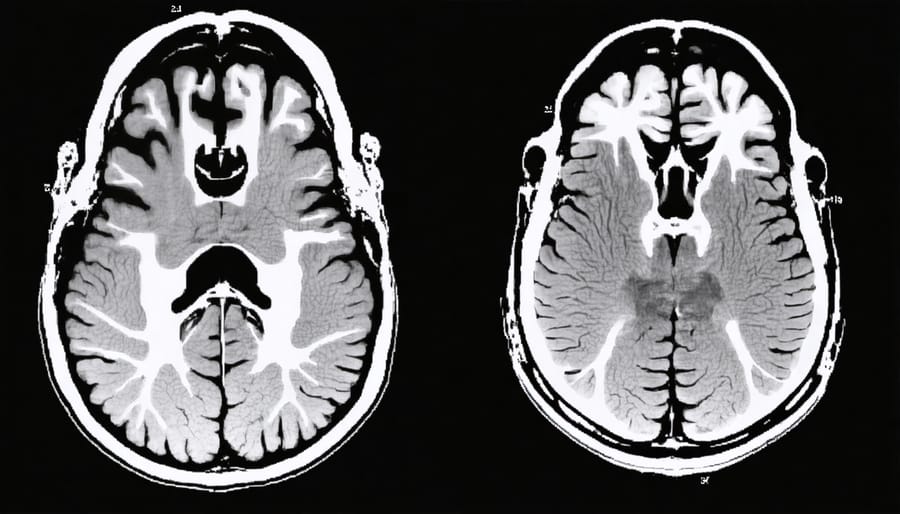
Exercise is one of the most powerful ways to boost your brain’s natural ability to change and adapt. When you get moving, whether it’s a brisk walk around your neighborhood or joining a fitness class at your local community center, you’re not just helping your body – you’re giving your brain a serious workout too.
Physical activity increases blood flow to your brain, which delivers more oxygen and nutrients to your neurons. This boost helps create new neural connections and strengthens existing ones. Think of it as building new pathways in your brain while maintaining the roads you already have.
Regular exercise also triggers the release of special proteins called growth factors. These proteins act like fertilizer for your brain cells, helping them grow and form new connections. This process is particularly active in the hippocampus, the part of your brain responsible for learning and memory.
You don’t need to be an athlete to reap these benefits. Even moderate activities like gardening, dancing, or swimming for 30 minutes a day can make a difference. The key is consistency and finding activities you enjoy. Start small – maybe with a 10-minute walk – and gradually build up your activity level.
For Albertans, our varied seasons offer plenty of opportunities for brain-boosting exercise, from summer hiking in the Rockies to winter cross-country skiing in our local parks.
The remarkable potential of neuroplasticity offers hope and concrete evidence that our brains can adapt, heal, and create new pathways throughout our lives. As we’ve explored, this natural ability isn’t just theoretical – it’s a practical tool we can harness for better health and recovery.
Remember that small, consistent actions can lead to significant changes in your brain’s structure and function. Whether you’re recovering from an injury, managing a chronic condition, or simply wanting to maintain cognitive health, your brain has the capacity to support your journey.
Start incorporating brain-healthy practices into your daily routine. Take up a new hobby, practice mindfulness, maintain regular physical activity, or challenge yourself with puzzles and learning opportunities. Every step you take activates your brain’s plastic nature and contributes to your overall well-being.
Here in Alberta, we have access to numerous resources and healthcare professionals who understand the power of neuroplasticity in healing. Don’t hesitate to reach out to local support groups, wellness centers, or healthcare providers who can guide you in applying these principles to your specific situation.
The journey to better health through neuroplasticity isn’t always quick or straightforward, but it’s deeply empowering to know that our brains are naturally equipped to support healing and growth. By staying consistent with healthy habits and maintaining a positive outlook, you’re already engaging your brain’s remarkable ability to change and adapt.
Take action today – your brain is ready to support your path to better health, one small step at a time.