
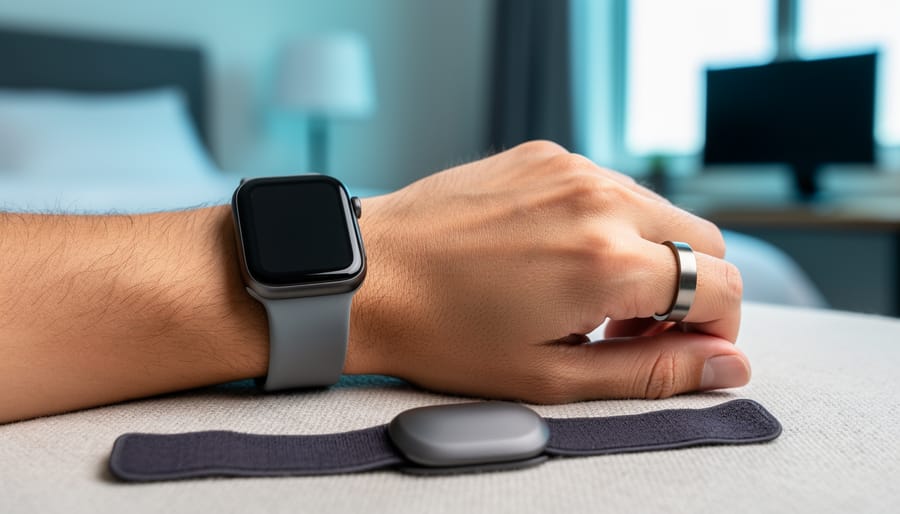
Safety wearable technology can now detect serious health problems days or even weeks before symptoms appear by continuously monitoring vital signs like heart rate variability, blood oxygen levels, sleep patterns, and body temperature. These devices work by establishing your personal health baseline, then using sophisticated algorithms to flag subtle changes that might signal conditions like irregular heart rhythms, respiratory infections, or metabolic issues. For Albertans managing chronic disease risk factors or simply wanting to stay ahead of health concerns, this technology transforms your watch, ring, or chest strap into an early warning system that complements regular medical care.
The real value lies in catching problems when they’re easiest to address. A smartwatch detecting atrial fibrillation during your morning walk gives you time to see your doctor before a stroke occurs. A fitness tracker noticing your resting heart rate climbing over several nights might reveal an emerging infection before you feel sick. These aren’t replacements for professional medical advice, but they do provide data points that help you and your healthcare provider make better decisions.
Choosing the right device depends on what you’re monitoring and how you’ll actually use it. Someone focused on heart health needs different sensors than someone tracking sleep quality or stress levels. The best wearable is one you’ll wear consistently, which means considering comfort, battery life, and whether the data presentation makes sense to you. This guide walks you through how these devices identify health risks, what metrics matter most for common chronic conditions, and how to select technology that fits your prevention goals without adding unnecessary complexity to your daily routine.
How Safety Wearables Catch Health Problems Early
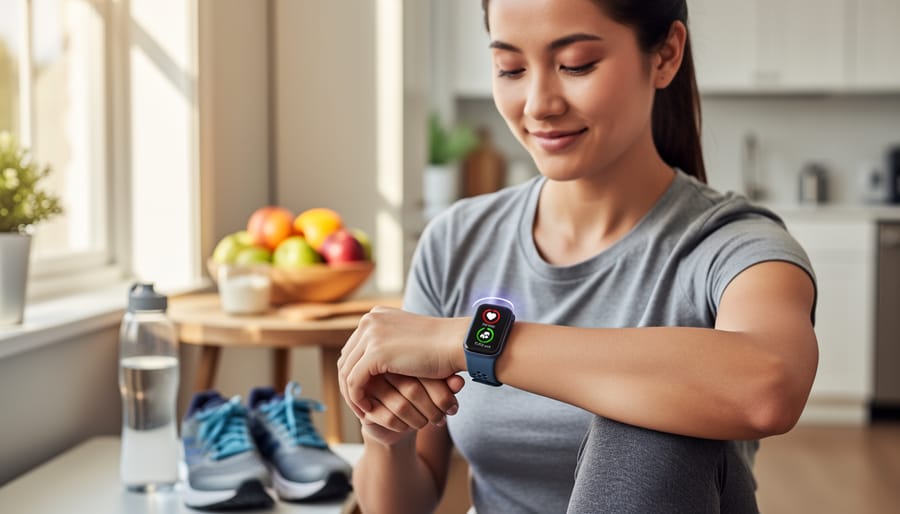
Safety wearables work by collecting health data around the clock, not just during a single doctor’s visit or when you remember to check. This continuous monitoring creates a complete picture of your body’s normal rhythms, your typical heart rate during sleep, your average blood oxygen levels, your regular blood sugar patterns throughout the day. Once a device learns your baseline over several weeks, it can spot meaningful changes that you wouldn’t notice yourself.
The detection power comes from pattern recognition. Your wearable compares today’s data against your personal baseline and flags deviations that might indicate trouble. A resting heart rate that’s been climbing for three consecutive nights might signal inflammation or an oncoming infection. Blood pressure readings creeping upward over two weeks could indicate cardiovascular stress before it becomes dangerous. Irregular heart rhythms that happen only at night might reveal atrial fibrillation that a standard daytime doctor’s appointment would miss entirely.
Modern devices use AI health monitoring to analyze these patterns faster and more accurately than manual tracking ever could. The algorithms learn which combinations of changes matter. For instance, declining sleep quality plus rising resting heart rate plus reduced heart rate variability might indicate developing cardiovascular issues or early-stage diabetes. These connections are subtle, but they’re what transform a fitness tracker into a personal early warning system.
When the device identifies a concerning pattern, it sends an alert. You’re not left interpreting data yourself, the wearable tells you when something needs attention. That notification to check in with your doctor might come months before you’d experience noticeable symptoms, giving you a window to address risk factors when interventions are most effective.
What Safety Wearables Monitor for Disease Prevention
Heart Health and Cardiovascular Monitoring
Heart wearables track rhythm irregularities that often precede serious cardiovascular events. Atrial fibrillation detection has become particularly sophisticated, devices can identify irregular heartbeats that significantly increase stroke risk, sometimes catching AFib episodes patients never felt. When your watch alerts you to an abnormal rhythm, it’s flagging a condition that might otherwise go undiagnosed until it causes a stroke.
Heart rate variability (HRV) measurements reveal how well your cardiovascular system adapts to stress. Low HRV often indicates chronic stress, poor recovery, or developing heart disease before you notice symptoms. Some advanced wearables now estimate blood pressure trends throughout the day, identifying hypertension patterns that clinic readings might miss since stress can spike your numbers at the doctor’s office.
Cardiovascular stress indicators combine multiple signals, resting heart rate creeping upward, reduced HRV, irregular rhythms during sleep, to paint a picture of heart strain. While EEG headbands monitor brain activity, chest-worn heart monitors provide the most accurate cardiovascular data, though wrist devices work well for general screening. These tools excel at catching the subtle changes that precede heart attacks and strokes, giving you time to modify risk factors or seek medical evaluation before a crisis occurs.
Blood Sugar and Metabolic Tracking
Modern safety wearables now track blood sugar patterns without constant finger pricks, making diabetes prevention more accessible for at-risk individuals. Continuous glucose monitors (CGMs) measure glucose levels throughout the day and night, revealing how your body responds to specific foods, stress, and sleep patterns. These devices identify pre-diabetic trends, like sustained high readings after meals or unstable overnight glucose, often years before traditional testing would catch a problem.
Some advanced wearables estimate metabolic rate by combining heart rate data, activity levels, and body temperature. This helps you understand how efficiently your body burns energy, which matters for both obesity prevention and diabetes risk. When your metabolism slows unexpectedly or glucose spikes become frequent, the device alerts you to take action.
For Alberta residents managing weight or family history of diabetes, these metrics translate abstract risk into concrete numbers. You’ll see exactly how that late-night snack affects your glucose, or whether your current exercise routine supports healthy metabolism. Catching insulin resistance early, when lifestyle changes still work effectively, gives you genuine power to prevent type 2 diabetes before medication becomes necessary.
Sleep Quality and Respiratory Patterns
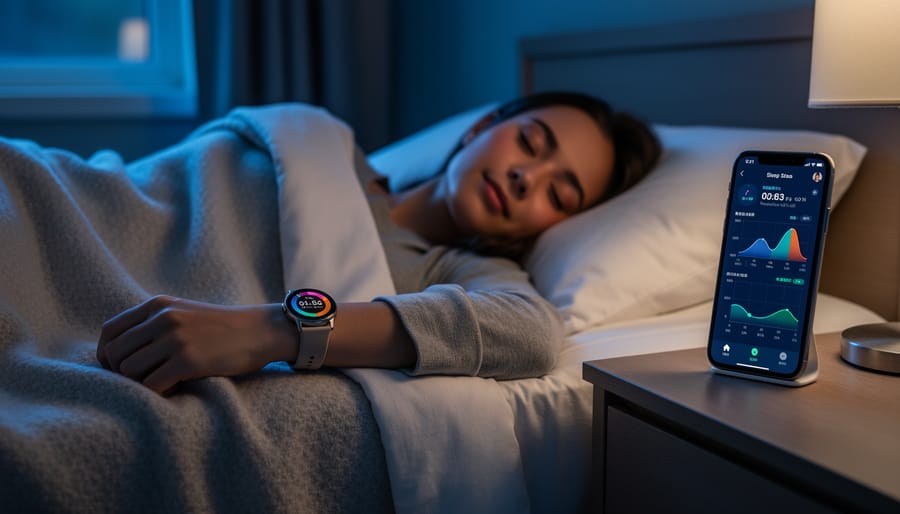
Modern safety wearables track your breathing and oxygen levels throughout the night, catching sleep disorders before they damage your health. Devices equipped with pulse oximetry sensors measure blood oxygen saturation (SpO2) continuously, flagging drops below 90% that signal potential sleep apnea. When your breathing pauses or becomes shallow repeatedly, oxygen dips and your heart works harder, increasing risk for high blood pressure, stroke, and heart disease over time.
The technology identifies patterns your doctor needs to see: how many times per hour your breathing stops, how long apnea episodes last, and whether you’re getting restorative deep sleep. Some wearables detect snoring intensity and body position changes that affect breathing quality. They’ll alert you to consistent disturbances across multiple nights rather than reacting to one poor sleep session.
Why this matters for Albertans focused on prevention: untreated sleep apnea often goes undiagnosed for years while quietly raising cardiovascular risk. Catching respiratory disruptions early lets you address them through lifestyle changes, positional therapy, or medical treatment before they contribute to chronic conditions. Your wearable data provides objective evidence to discuss with your healthcare provider, potentially fast-tracking diagnosis and intervention.
Activity Levels and Fall Detection
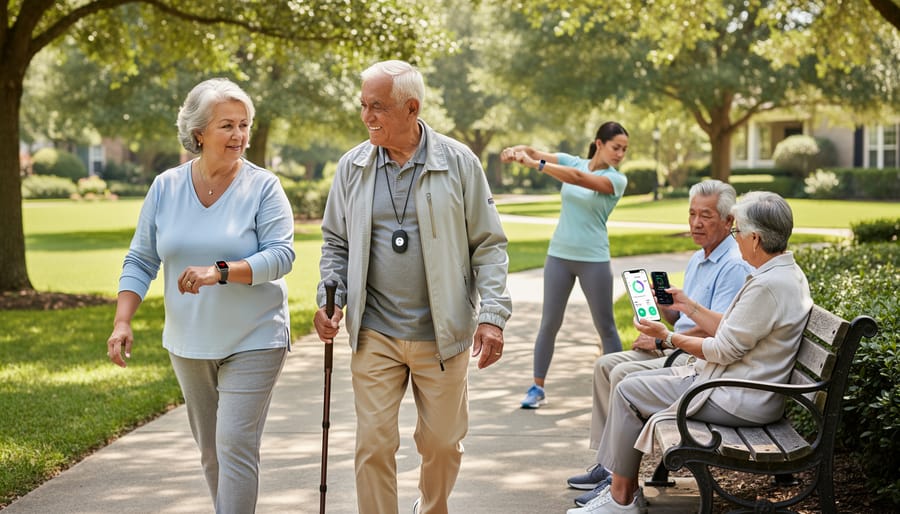
Movement patterns tell a powerful story about your health trajectory. Modern wearables track not just step counts, but also movement intensity, sedentary periods, and sudden changes in mobility that signal declining function before you notice it yourself.
For chronic disease prevention, these devices flag prolonged inactivity, sitting for hours triggers alerts reminding you to move, because extended sedentary time increases diabetes and heart disease risk regardless of your exercise routine. The data shows your actual activity distribution throughout the day, revealing patterns like weekend-only movement or consistent evening slumps that you can address.
Fall detection has evolved beyond emergency response for seniors. Today’s wearables recognize unusual movement patterns, shuffling gait, reduced balance, hesitation before sitting, that predict fall risk weeks or months ahead. The device learns your typical motion signature, then alerts you when instability creeps in gradually. For anyone with mobility concerns or chronic conditions affecting balance, this early warning creates time to strengthen muscles, adjust medications, or modify your home environment before a serious fall occurs.
Temperature and Illness Indicators
Your body temperature shifts subtly before you feel sick. Modern wearables track these micro-changes continuously, establishing your personal baseline and flagging deviations that may signal infection or inflammation days before obvious symptoms emerge.
When your device detects an unusual rise, even half a degree, it’s catching your immune system ramping up to fight a threat. Some wearables also monitor resting heart rate alongside temperature; when both climb together overnight, it often indicates your body is battling illness. This early warning lets you rest, hydrate, and adjust your schedule before a full-blown cold or flu develops, potentially shortening recovery time and preventing complications.
Who Benefits Most from Safety Wearables
While safety wearables offer broad health benefits, certain groups gain the most meaningful advantages from early detection capabilities.
If chronic diseases like diabetes, heart disease, or hypertension run in your family, wearables provide an extra layer of surveillance. Genetic predisposition doesn’t guarantee you’ll develop these conditions, but continuous monitoring helps you catch warning signs months or even years before symptoms appear. This early window is exactly when lifestyle changes have the greatest impact.
Adults over 40 face naturally increasing health risks as metabolism shifts and cardiovascular changes begin. A wearable that tracks heart rhythm irregularities, blood pressure trends, or blood sugar fluctuations can alert you to problems during their most treatable stages. For Alberta residents juggling work and family responsibilities, this automated monitoring fills gaps that busy schedules create.
If you’re already managing a health condition, safety wearables transform from nice-to-have into essential tools. They provide your healthcare team with objective data between appointments, reveal how daily choices affect your numbers, and catch concerning changes immediately rather than waiting for your next checkup.
People with modifiable risk factors, excess weight, sedentary lifestyle, poor sleep, or high stress, benefit enormously from the accountability and insight wearables provide. Seeing real-time feedback on how a walk affects your heart rate variability or how sleep quality impacts your resting heart rate makes abstract health advice concrete and actionable.
The common thread across these groups is prevention focus. Safety wearables work best for people ready to act on the information they receive, whether that means adjusting habits, scheduling medical appointments, or fine-tuning existing treatment plans.
Choosing the Right Safety Wearable for Your Health Goals
Picking the right safety wearable starts with understanding your own health priorities and risk factors. If diabetes runs in your family or your doctor has flagged prediabetes, you need a device that excels at metabolic tracking. Heart disease concerns call for advanced cardiovascular monitoring. General wellness monitoring requires less specialized features but consistent daily tracking capabilities.
Match the device’s strengths to your specific needs rather than choosing based on brand popularity or price alone. Someone managing multiple risk factors might benefit from a more comprehensive device, while a person focused on a single health concern can choose a specialized tracker that does one thing exceptionally well.
| Health Concern | Essential Features | Monitoring Frequency |
|---|---|---|
| Diabetes Risk | Continuous glucose monitoring, activity tracking, weight trends | 24/7 glucose, daily activity |
| Heart Disease Prevention | ECG capability, AFib detection, heart rate variability, blood pressure | Continuous heart monitoring, weekly ECG |
| Sleep Disorders | Blood oxygen tracking, sleep stage analysis, respiratory rate | Nightly during sleep |
| General Wellness | Step counting, basic heart rate, sleep tracking, temperature | Daily activity, nightly sleep |
Consider practical factors beyond health metrics. Battery life matters if you want continuous monitoring without charging breaks. Water resistance is important for Albertans who swim or participate in water sports. Comfort affects whether you’ll actually wear the device consistently, which is crucial for establishing accurate baselines and catching subtle changes over time.
Think about data compatibility too. Can the device share information with your healthcare provider’s systems? Some wearables integrate with electronic medical records, making it easier to discuss trends during appointments. Others require manual sharing or screenshots, which creates friction in the doctor-patient collaboration that makes early detection truly effective.
Your budget should reflect your risk level and prevention priorities, not just what you can afford. A $100 basic tracker might suffice for general wellness, but someone with significant cardiovascular risk factors benefits from investing in a device with medical-grade ECG and AFib detection capabilities, even at a higher price point.
Making Wearable Data Work for You
The real value of safety wearables emerges when you act on the data they collect. Start by reviewing your device’s baseline trends weekly rather than obsessing over daily fluctuations. A single elevated heart rate reading means less than a pattern of elevated readings over several days.
When your device sends an alert, take it seriously but don’t panic. Document what you were doing when the alert triggered, exercise, stress, caffeine intake, or medication changes can all affect readings. Most wearables let you add notes directly in their apps. If you receive repeated alerts for the same issue over 48 hours, or any critical alert about irregular heart rhythms or oxygen levels, contact your healthcare provider promptly.
Prepare for medical appointments by exporting your wearable data. Most devices generate shareable reports covering heart rate trends, sleep patterns, and activity levels. Bring this data to your doctor or email it beforehand. Many Alberta physicians now integrate wearable data into patient assessments, especially for cardiovascular and metabolic conditions.
Turn insights into specific actions. If your device shows poor sleep quality correlating with late caffeine consumption, adjust your habits. When activity tracking reveals you’re sedentary for eight-hour stretches, set hourly movement reminders. Pair data patterns with concrete changes rather than just collecting numbers.
Remember that wearables complement professional care, they don’t replace it. Use them to catch early warning signs and track lifestyle modifications, but always discuss significant findings or health decisions with your doctor. The goal is informed collaboration between your technology, your actions, and your healthcare team’s expertise.
Common Questions About Safety Wearables and Early Detection
Are wearables as accurate as medical equipment?
Consumer wearables are generally accurate enough for trend monitoring and spotting concerning changes, but they aren’t substitutes for clinical-grade devices. If your wearable flags an issue, confirm it with your doctor using medical equipment.
What happens to my health data?
Most reputable manufacturers encrypt your data and let you control sharing settings, but read the privacy policy carefully. In Canada, health data has stronger protections than in some countries, and you can often choose whether to sync with third-party apps.
Can a wearable replace regular checkups?
No. Wearables complement medical care by catching warning signs between appointments, but they can’t diagnose conditions or replace your doctor’s expertise. Think of them as tools that help you and your healthcare provider predict health issues earlier.
Will my insurance cover a safety wearable?
Some Alberta health plans and wellness programs offer discounts or reimbursements for wearables, especially if you’re managing a chronic condition. Check with your insurer or employer benefits program, as coverage varies widely.
Beyond these common questions, the biggest concern many people have is simply getting started. You don’t need the most expensive device on the market. Start with one that monitors the metrics most relevant to your personal risk factors, whether that’s heart rhythm, blood sugar, or sleep quality. Many Albertans begin with a basic fitness tracker and upgrade once they understand which features matter most for their health goals.
Cost ranges from under $100 for entry-level trackers to several hundred dollars for devices with advanced sensors. The investment often pays off if early detection helps you avoid a single emergency room visit or catch a developing condition when it’s still easily managed through lifestyle changes.
Safety wearable technology gives you powerful tools to catch health problems early, but these devices work best as partners in your care, not as a medical guardian that replaces professional healthcare. The real value comes when you combine the continuous insights from your wearable with regular check-ups, honest conversations with your doctor, and the preventive lifestyle changes that matter most for chronic disease prevention.
Take a moment to think about your personal risk factors. Do you have a family history of diabetes or heart disease? Are you managing high blood pressure or struggling with sleep quality? These are the situations where early detection wearables can make the biggest difference, giving you and your healthcare team advance warning when something needs attention.
Alberta residents have access to excellent preventive health resources, from community wellness programs to supportive healthcare providers who understand the value of early intervention. Pair your wearable data with these local resources, stay active, eat well, and you’re taking real control of your health future. The technology tracks the numbers, but you make the choices that change outcomes.