

Transform your daily health management with real-time wearable devices that continuously track vital signs, sleep patterns, and physical activity. These smart health companions, enhanced by AI-powered health monitoring, now offer unprecedented insights into your well-being, alerting you to potential health concerns before they become serious issues.
Today’s wearable technology puts a virtual health team right on your wrist, empowering you to make informed decisions about your lifestyle and medical care. From detecting irregular heart rhythms to monitoring blood oxygen levels, these devices serve as an early warning system for your body’s subtle changes. For Albertans managing chronic conditions or taking proactive steps toward better health, real-time monitoring provides peace of mind and concrete data to share with healthcare providers.
Gone are the days of waiting for annual check-ups to understand your health status. Whether you’re tracking your fitness goals, managing stress levels, or monitoring chronic conditions, wearable devices offer immediate feedback and actionable insights that can significantly improve your quality of life.
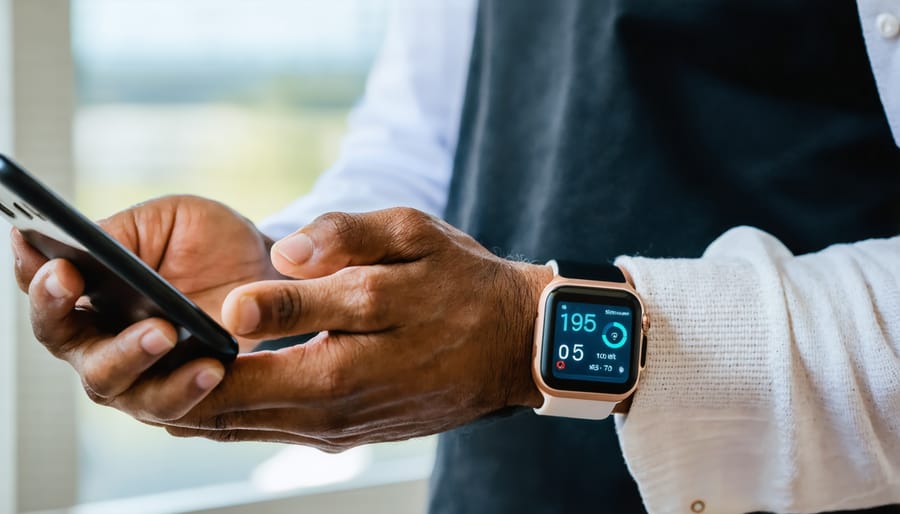
The Power of Real-Time Health Tracking
Beyond Step Counting
Today’s wearable devices do much more than count your daily steps. These smart health companions track vital signs that paint a detailed picture of your well-being. Modern devices monitor your heart rate throughout the day, helping you understand how your body responds to exercise, stress, and rest. They can detect irregular heart rhythms and alert you to potential concerns worth discussing with your healthcare provider.
Sleep tracking has also become increasingly sophisticated. Your device can analyze your sleep patterns, including time spent in different sleep stages, helping you understand the quality of your rest. This information is valuable for developing better sleep habits and maintaining overall health.
Many wearables now include stress monitoring features that measure your body’s stress response through heart rate variability and skin temperature changes. Some devices even offer guided breathing exercises when they detect elevated stress levels.
These advanced tracking capabilities help Albertans take a more proactive approach to their health, making it easier to spot patterns and make informed lifestyle changes before small issues become bigger concerns.
Early Warning System
Modern wearable devices serve as powerful early detection systems that can alert you to potential health issues before they become serious problems. These devices continuously monitor vital signs like heart rate, blood oxygen levels, and sleep patterns, establishing your personal baseline and quickly identifying concerning changes.
For example, sudden changes in resting heart rate or irregular heart rhythms could signal potential cardiovascular issues. Decreased sleep quality or unusual breathing patterns during sleep might indicate sleep apnea. Even subtle changes in your daily activity levels could point to developing health concerns that deserve attention.
Many Albertans have found that these early warnings helped them seek medical care at the right time. The devices can send immediate alerts to both you and your healthcare provider when concerning patterns emerge, allowing for prompt intervention. This proactive approach to health monitoring has been particularly valuable for those managing chronic conditions like diabetes or heart disease.
Remember, while these alerts aren’t definitive diagnoses, they serve as valuable prompts to check in with your healthcare provider when needed.
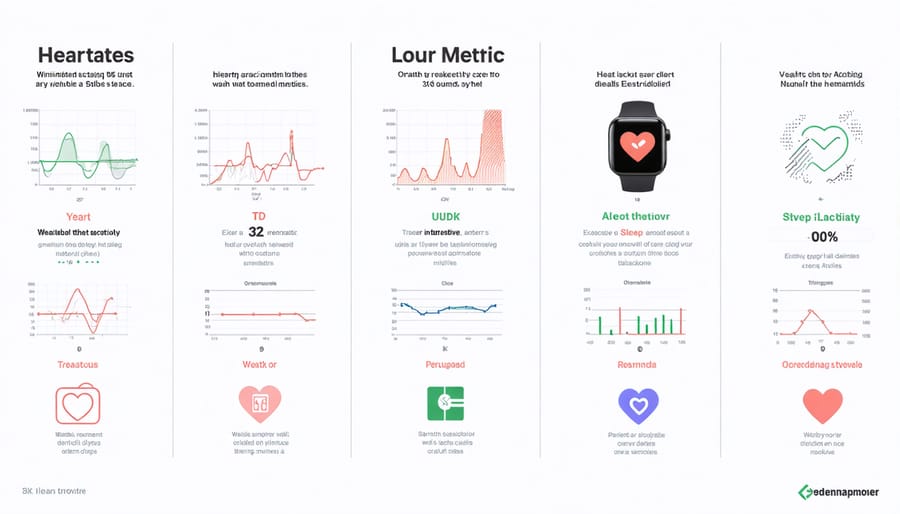
Key Health Metrics You Can Track
Heart Health Indicators
Modern wearable devices have revolutionized how we monitor our heart health, offering insights that were once only available in medical settings. Your smartwatch or fitness tracker can now keep tabs on several key indicators that paint a picture of your heart’s well-being.
Heart rate variability (HRV) is one of the most valuable measurements these devices track. It shows the time variation between each heartbeat, which can indicate how well your body handles stress and recovers. A higher HRV typically suggests better cardiovascular fitness and stress resilience.
Many advanced wearables now include blood pressure monitoring features, helping you track trends throughout the day. While these readings shouldn’t replace regular medical check-ups, they can help you spot patterns and share valuable data with your healthcare provider.
ECG (electrocardiogram) monitoring is another game-changing feature in newer devices. By placing your finger on the device’s sensor, you can record your heart’s electrical activity and detect irregular rhythms. Some devices can even alert you to potential concerns that warrant medical attention.
Remember to set up your device’s alert thresholds based on your doctor’s recommendations. These notifications can help you stay proactive about your heart health, whether you’re exercising, working, or resting. Regular monitoring helps you understand your normal patterns and recognize when something might need attention.
Sleep Quality Analysis
Modern wearable devices have revolutionized how we understand our sleep patterns, offering insights that were once only available in sleep labs. These devices track your sleep stages throughout the night, showing you exactly when you’re in light sleep, deep sleep, or REM (rapid eye movement) sleep.
Your device monitors subtle changes in heart rate and movement to determine sleep quality. It can detect when you toss and turn, identifying periods of restlessness that might affect your overall rest. Many devices also track breathing patterns, alerting you to potential issues like sleep apnea or irregular breathing during the night.
Recovery metrics are particularly valuable for active Albertans. Your device measures how well your body recovers during sleep by tracking heart rate variability (HRV) and resting heart rate. A higher HRV typically indicates better recovery and overall health, while your resting heart rate can reveal how well-rested you are.
Most wearables now provide a daily sleep score, making it easier to understand your sleep quality at a glance. This score considers factors like total sleep time, sleep consistency, and the amount of deep sleep you get. By monitoring these patterns over time, you can make informed changes to your bedtime routine and environment to improve your sleep quality.
Remember, good sleep is essential for managing stress, maintaining a healthy weight, and preventing various health conditions. Use your device’s sleep insights to establish better sleep habits and wake up feeling refreshed.
Activity and Fitness Metrics
Modern wearable devices offer an impressive array of activity and fitness tracking features that help you understand your daily movement patterns and exercise habits. These devices continuously monitor your physical activity, providing real-time feedback on your exercise intensity, steps taken, and calories burned throughout the day.
Your device measures exercise intensity by tracking your heart rate and movement patterns, categorizing your activity into different zones like light, moderate, or vigorous. This information helps you maintain the right intensity level for your fitness goals and ensures you’re getting enough physical activity each day.
Calorie tracking combines various data points, including your heart rate, movement, age, weight, and gender, to estimate how many calories you’re burning. While these estimates aren’t perfect, they provide valuable insights into your daily energy expenditure and can help you maintain a healthy weight.
Movement pattern tracking goes beyond simple step counting. Modern devices can identify different types of activities, from walking and running to swimming and cycling. They can also detect periods of inactivity, gently reminding you to move when you’ve been sitting too long.
These metrics work together to create a comprehensive picture of your daily activity levels. By monitoring these patterns over time, you can identify areas for improvement and track your progress toward your fitness goals. Remember, small increases in daily movement can lead to significant health benefits over time.
Making Health Data Work for You
Understanding Your Data
Making sense of your health data doesn’t have to be overwhelming. Modern wearable devices, powered by advances in artificial intelligence in healthcare, make it easier than ever to understand your body’s signals.
Start by establishing your baseline readings for metrics like heart rate, sleep patterns, and daily activity levels. This gives you a personal reference point for what’s normal for you. Watch for patterns over time rather than focusing on individual readings – it’s the trends that tell the real story.
Pay attention to sudden changes or consistent deviations from your usual patterns. For example, if your resting heart rate is typically 65-70 beats per minute, a sustained increase to 80-85 might warrant attention. Similarly, watch for changes in your sleep quality, particularly if you notice less deep sleep or more frequent nighttime wakings.
Your device’s app likely includes alert thresholds – customize these to your needs and health goals. Many apps also provide weekly or monthly summaries, making it easier to spot long-term trends. Remember, this data is meant to complement, not replace, regular check-ups with your healthcare provider.
When sharing data with your healthcare team, focus on significant changes or patterns you’ve noticed. This information can be valuable for early detection of potential health issues and making informed lifestyle adjustments.
Taking Action
Once your wearable device provides health insights, taking meaningful action is crucial for improving your well-being. Start by setting realistic goals based on your data – for example, if your heart rate tends to spike during work hours, schedule short breaks for deep breathing or quick walks around the office.
Create a daily routine that responds to your device’s alerts. When your smartwatch indicates high stress levels, take a moment to practice mindfulness or step away from stressful situations. If your sleep tracking shows poor quality rest, adjust your bedtime routine by dimming lights earlier or reducing screen time.
Share your health data with your family doctor during check-ups to help inform your care plan. Many Alberta healthcare providers now welcome this additional information to better understand your daily health patterns.
Make gradual lifestyle adjustments based on trends you observe. If your activity tracker shows you’re most energetic in the morning, schedule your workouts then. Notice patterns between certain foods and your heart rate or sleep quality? Use this information to modify your diet accordingly.
Remember that small, consistent changes often lead to the best results. Your wearable device is a tool for awareness, but you’re in charge of taking action. Celebrate your progress and adjust your goals as needed, focusing on sustainable changes that fit your lifestyle.
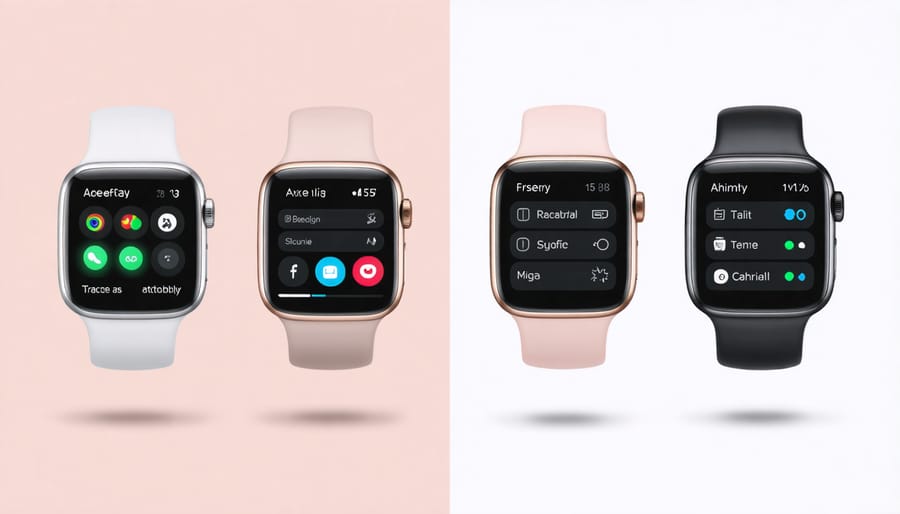
Choosing the Right Device
Essential Features
When choosing a wearable health monitoring device, focus on features that align with your specific health goals. For heart health monitoring, look for devices with continuous heart rate tracking, ECG capabilities, and irregular heartbeat notifications. If managing diabetes or monitoring blood sugar is your priority, consider devices with non-invasive glucose monitoring features or compatibility with continuous glucose monitors.
For sleep improvement, prioritize devices that track sleep stages, breathing patterns, and sleep quality scores. Fitness enthusiasts should look for features like step counting, workout tracking, and advanced metrics such as VO2 max and recovery time recommendations. Those managing stress might benefit from devices with stress tracking, guided breathing exercises, and heart rate variability monitoring.
Temperature sensors and blood oxygen monitoring have become increasingly important features, helping detect early signs of illness. Look for devices that offer personalized health insights through AI-powered analysis of your data.
Consider water resistance for swimming or showering, battery life for continuous monitoring, and compatibility with your smartphone. Many devices now include fall detection and emergency alerts, particularly valuable for older adults or those with specific health concerns. Remember, the best device is one that you’ll wear consistently and whose features you’ll actually use in your daily health journey.
Privacy and Data Security
When using wearable health devices, protecting your personal health information is crucial. Your device collects sensitive data about your heart rate, sleep patterns, physical activity, and sometimes even your location. Here’s how you can keep your health information secure while enjoying the benefits of real-time monitoring.
First, always choose devices and apps from reputable manufacturers who prioritize data security. Look for companies that are transparent about their privacy policies and use strong encryption to protect your information. Before using any health monitoring app, carefully review its privacy settings and adjust them to share only the data you’re comfortable with.
Consider these practical steps to enhance your privacy:
– Use a strong, unique password for your device and associated apps
– Enable two-factor authentication when available
– Regularly update your device’s firmware and apps
– Connect only to secure Wi-Fi networks when syncing data
– Be selective about which third-party apps can access your health data
If you’re using your device as part of a healthcare program, ask your provider about their data protection measures. Alberta’s health privacy laws give you the right to know how your information is being used and stored.
Remember, while sharing your health data with healthcare providers can be beneficial, you control who sees your information. Regularly review your sharing settings and revoke access for apps or services you no longer use.
Real-time health monitoring through wearable devices has transformed how we approach personal wellness and chronic disease management. These powerful tools empower Albertans to take control of their health by providing instant access to vital health metrics and early warning signs of potential issues. As technology continues to advance, we can expect even more sophisticated features, improved accuracy, and seamless integration with healthcare systems.
The future of wearable health monitoring looks promising, with emerging capabilities in blood glucose monitoring, stress management, and early disease detection. These innovations will make it easier for everyone, from busy professionals to seniors managing chronic conditions, to stay on top of their health.
By embracing these technologies today, you’re taking an important step toward proactive health management. Remember, the data from your wearable device is a valuable tool that, when combined with professional medical care, can help you achieve better health outcomes and peace of mind.