
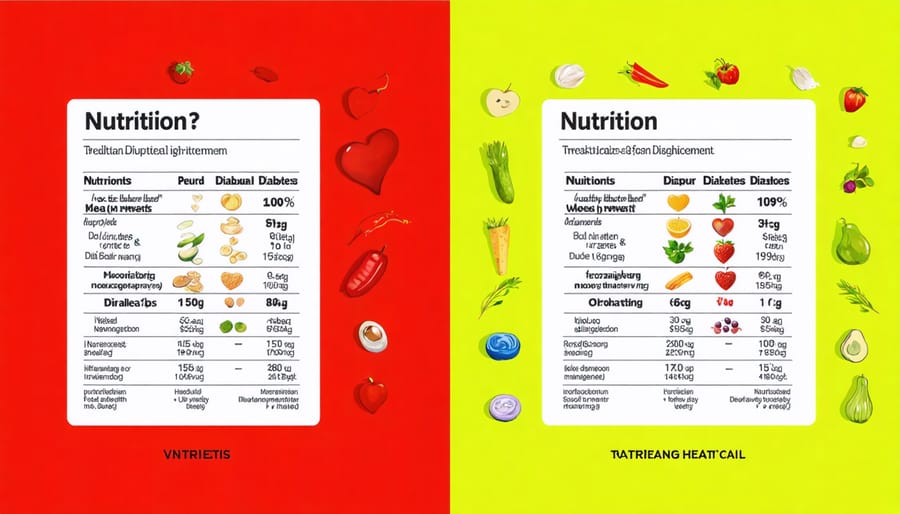
Transform your health journey by creating customizable nutrition facts labels that put you in control of your dietary choices. In today’s world of personalized wellness, generic nutrition labels often fall short of meeting individual health needs and goals. By developing a personalized nutrition plan with custom labels, you can track specific nutrients that matter most to your health conditions, monitor portion sizes that align with your goals, and make informed decisions about your daily food intake.
Whether you’re managing diabetes, heart disease, or simply striving for better health, customizable nutrition labels serve as your personal roadmap to successful meal planning. They empower you to highlight important nutritional information, adjust serving sizes to match your needs, and create a clear picture of how your food choices impact your overall health goals. This practical tool transforms complex nutritional data into actionable insights, making it easier to maintain a healthy lifestyle while addressing your unique dietary requirements.
Why Standard Nutrition Labels Don’t Work for Everyone
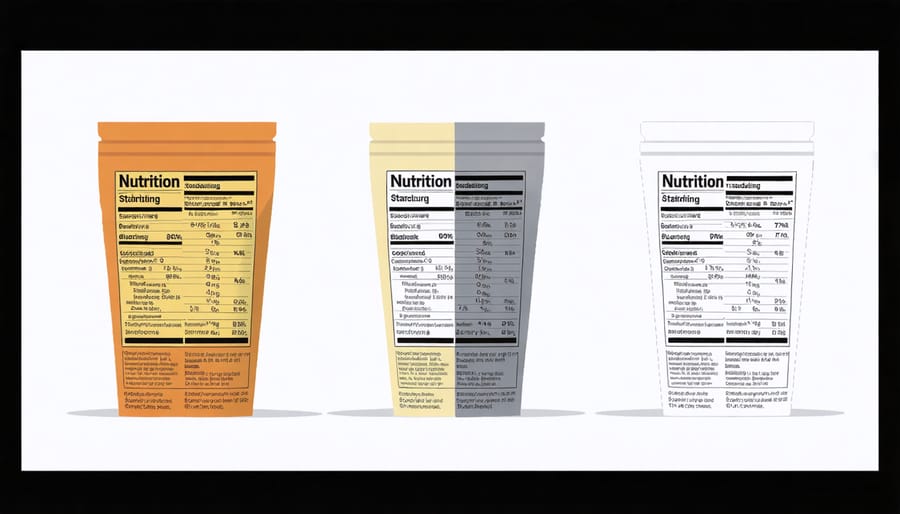
Common Dietary Restrictions in Alberta
In Alberta’s diverse population, several dietary restrictions are commonly encountered. Gluten-free diets are increasingly prevalent, with approximately 1% of Albertans managing celiac disease and many others choosing to reduce gluten intake. Lactose intolerance affects about 7-20% of the population, particularly among Indigenous communities and certain ethnic groups.
Religious dietary requirements are also significant, with halal food practices important for the growing Muslim community and kosher guidelines followed by Jewish residents. Vegetarian and vegan diets continue to gain popularity, with Edmonton and Calgary seeing a rise in plant-based food options.
Many Albertans also follow specific dietary patterns for managing chronic conditions like diabetes, heart disease, and hypertension. Food allergies, particularly to peanuts, tree nuts, and seafood, affect roughly 2.5% of adults in the province. Additionally, low-sodium and heart-healthy diets are common among older adults managing cardiovascular health.
Understanding these dietary needs helps create more inclusive food labeling that serves our diverse community better.
Health Conditions That Require Special Attention
Several health conditions require careful attention to nutritional information, making customizable labels particularly valuable. For individuals managing diabetes, heart disease, or hypertension, tracking specific nutrients becomes crucial for maintaining optimal health. Understanding your dietary needs for chronic diseases helps you make informed food choices that support your well-being.
For those with celiac disease or food allergies, detailed ingredient tracking is essential for avoiding harmful reactions. People managing kidney disease need to monitor sodium, potassium, and phosphorus levels carefully. Similarly, individuals with high cholesterol benefit from tracking saturated fats and dietary fiber.
Customizable nutrition labels can help you focus on the specific nutrients that matter most for your condition while making it easier to spot potentially problematic ingredients. This personalized approach to nutrition management empowers you to take control of your health while simplifying the sometimes overwhelming process of reading standard nutrition labels.
Building Your Personalized Nutrition Label
Essential Components to Include
When creating your personalized nutrition facts label, focus on tracking components that matter most for your health goals. Start with the basics: calories, protein, carbohydrates, and total fat. These foundations help you maintain a balanced diet and manage weight effectively.
For heart health monitoring, include sodium, saturated fats, and trans fats. If you’re managing diabetes, pay special attention to total carbohydrates, dietary fiber, and added sugars. Those watching their cholesterol should track both saturated and unsaturated fats.
Consider adding micronutrients based on your specific needs. For example, if you’re following a plant-based diet, include iron, vitamin B12, and calcium. Athletes might want to track potassium and electrolytes, while those managing bone health should monitor calcium and vitamin D levels.
Don’t forget serving sizes – they’re crucial for accurate tracking. Include both single serving measurements and total package contents to help with portion control. For better understanding, use familiar household measurements like cups or tablespoons alongside metric measurements.
Remember to update your label components as your health goals change. If you’re working with a healthcare provider, ask them about specific nutrients you should monitor. This flexibility ensures your nutrition label remains a relevant tool for your health journey, whether you’re preventing chronic conditions or managing existing ones.
Digital Tools and Resources
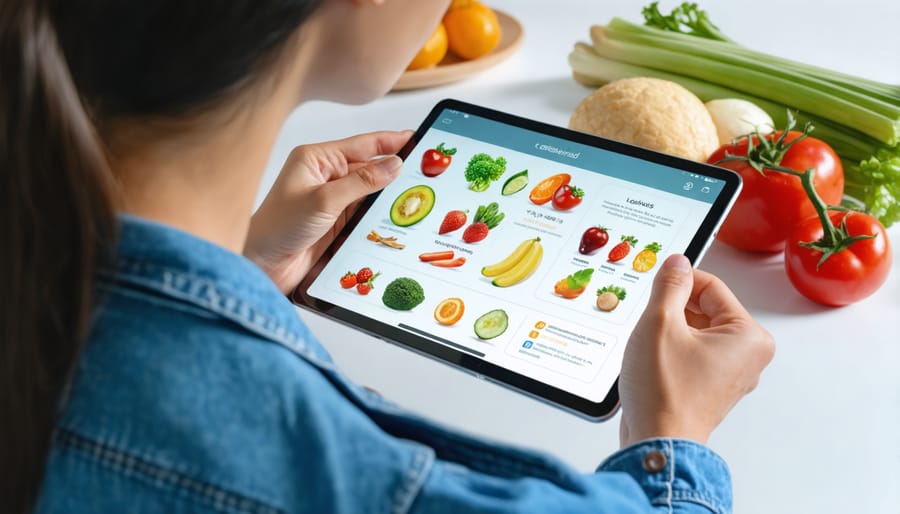
Several user-friendly digital tools make creating customized nutrition labels straightforward and accessible. For those who prefer web-based options, FDA’s free Label Maker tool offers a simple interface to input your product’s nutritional information and generate professional-looking labels that meet Canadian regulations.
Popular apps like NutriFacts Creator and MyFoodLabel provide mobile solutions for on-the-go label creation. These apps feature pre-loaded ingredient databases and automatic calculation features, making it easier to determine serving sizes and nutrient values accurately.
For small business owners and home-based food producers in Alberta, Nutrition Label Maker Pro offers region-specific templates that comply with local food labeling requirements. The software includes bilingual options for both English and French labels, which is essential for selling products across Canada.
Many of these tools offer free basic versions with the option to upgrade for additional features. Look for platforms that provide:
– Regular updates to match changing regulations
– Multiple format options (print-ready, digital display)
– Ingredient database access
– Allergen highlighting capabilities
– Batch label creation
– Cloud storage for saved labels
Remember to verify that your chosen tool follows current Canadian food labeling guidelines. Most reliable platforms update their systems regularly to maintain compliance with federal and provincial regulations.
Making Your Custom Label Work for You
Daily Tracking Made Simple
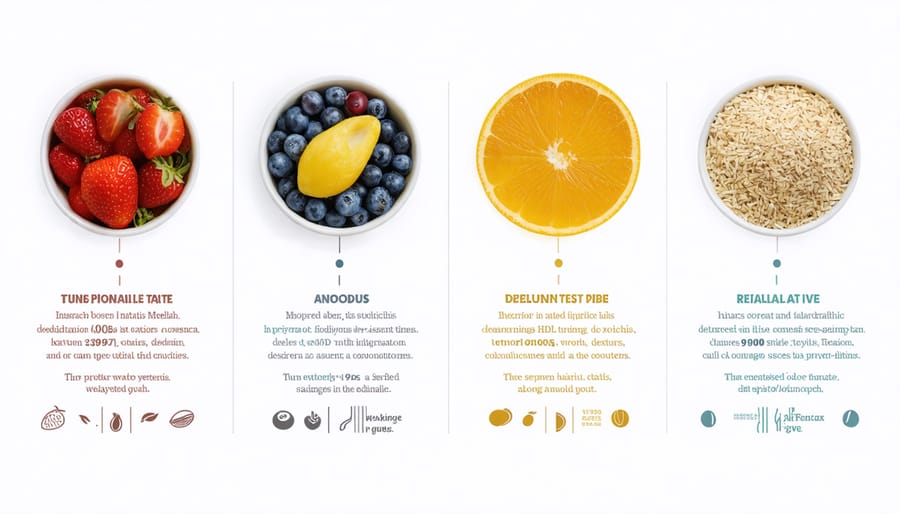
Keeping track of your daily nutrition doesn’t have to be complicated. With customizable nutrition labels, you can easily monitor what matters most to your health journey. Start by creating a simple tracking system that works for you – whether it’s a notebook, smartphone app, or spreadsheet.
As you track your health goals, focus on the key nutrients you’ve identified on your personalized labels. Make note of portion sizes and serving amounts throughout the day. This helps you stay mindful of your intake without becoming overwhelmed by too many details.
Consider using a color-coding system to quickly identify foods that align with your nutritional needs. Green could represent optimal choices, yellow for moderate options, and red for items to limit. This visual approach makes daily decision-making more intuitive.
Set aside a few minutes each evening to review your day’s intake. Look for patterns and adjust as needed. Remember, the goal isn’t perfection – it’s progress. Many Albertans find that reviewing their weekly trends provides more valuable insights than focusing on daily numbers.
Keep your tracking method visible and accessible, like posting your customized labels on the fridge or saving them as your phone’s wallpaper. This constant reminder helps reinforce healthy choices without adding stress to your daily routine.
Adjusting Your Label as Needs Change
Just like your nutritional needs change over time, your custom nutrition labels should evolve too. Whether you’re adjusting to new health goals, managing different medical conditions, or simply fine-tuning your diet, keeping your labels current is essential for maintaining optimal health.
Start by reviewing your labels every three to six months, or whenever you experience significant lifestyle changes. This might include starting a new medication, receiving updated dietary recommendations from your healthcare provider, or modifications to your exercise routine.
To update your labels effectively, maintain a record of any dietary changes recommended by your healthcare team. Pay attention to how your body responds to different foods and note any new restrictions or allowances. If you’re using digital label-making tools, save your original templates to make future modifications easier.
Remember to consider seasonal changes too – something particularly relevant for Albertans. Your nutritional needs might differ during our long winters compared to summer months. For example, you might need to adjust vitamin D content during darker months or hydration requirements during warm weather.
When making changes, double-check your new calculations and consider having your healthcare provider review significant modifications. Keep old versions of your labels for reference, and make sure everyone in your household is aware of the updates. This helps maintain consistency and ensures everyone understands the current dietary guidelines you’re following.
Customizable nutrition facts labels offer a powerful tool for taking control of your health and dietary choices. By creating personalized labels that reflect your specific needs and goals, you can make more informed decisions about the foods you eat and better manage your health conditions. Whether you’re tracking sodium intake for heart health, monitoring carbohydrates for diabetes management, or simply working toward better overall nutrition, these tailored labels put valuable information at your fingertips.
Remember, knowledge is power when it comes to your health. By implementing customized nutrition labels into your daily routine, you’re taking a proactive step toward better health outcomes. Start small by customizing labels for your most frequently consumed foods, and gradually expand your library of personalized nutrition information.
Take action today to create your own customized nutrition facts labels. Use the tools and resources available to you, connect with local nutrition professionals in Alberta for guidance, and make informed choices that support your health goals. Your journey to better health begins with understanding what’s in your food – and customizable nutrition facts labels are here to help you do just that.