

Managing your health just got easier with Q voice assistant, a specialized digital tool designed specifically for chronic disease management. Unlike Siri or Alexa, Q focuses exclusively on health tracking, medication reminders, and symptom monitoring for conditions like diabetes, heart disease, and hypertension.
Think of Q as your personal health companion that speaks your language. You simply talk to your phone or device, and Q logs your blood sugar readings, reminds you when to take medications, tracks your blood pressure patterns, and even helps you spot concerning trends before they become serious problems. No complicated apps to navigate or forms to fill out—just natural conversation.
For Albertans juggling busy work schedules with health management, Q bridges the gap between doctor visits. It remembers what you forget, asks the right questions at the right times, and creates clear summaries you can share with your healthcare provider. Research shows voice-based health tracking increases medication adherence by up to 40% compared to manual methods.
The real question isn’t whether voice assistants can help with health—it’s whether Q specifically meets your needs better than general alternatives or traditional tracking methods. This matters because not every digital health tool delivers on its promises, and your time is valuable.
Let’s explore what Q actually does, how it compares to other options, and whether it’s worth integrating into your daily health routine here in Alberta.
What Makes Q Voice Assistant Different for Health Management
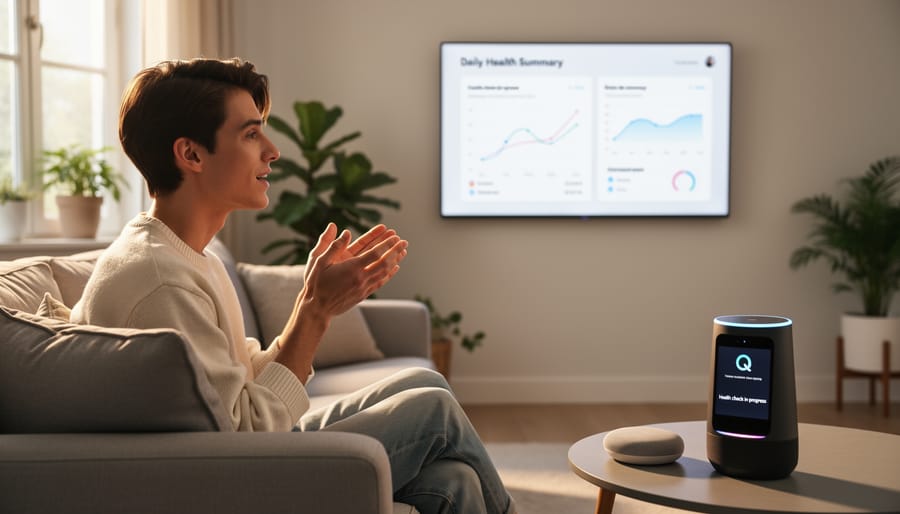
Q Voice Assistant stands out from everyday voice assistants like Siri or Alexa because it’s specifically designed with your health needs in mind. While general assistants might help you set basic reminders, Q goes much deeper to support people managing chronic conditions or working toward better health.
Think of Q as your personal health companion that understands the unique challenges of staying on top of medications, appointments, and daily health habits. It sends you timely medication reminders that you can customize to fit your schedule, whether you take pills three times daily or need to remember weekly injections. You can simply tell Q when you’ve taken your medication, and it logs everything automatically.
Symptom tracking becomes remarkably simple with Q. Instead of writing in a journal or trying to remember how you felt last Tuesday, you can tell Q about your symptoms throughout the day using natural conversation. Experiencing a headache? Just say it. Notice your energy level dropping? Q records it. Over time, these logged details help you and your healthcare provider spot patterns that might otherwise go unnoticed.
Q also handles appointment scheduling by connecting with your calendar and sending reminders well in advance. You’ll get notifications for upcoming doctor visits, lab tests, or therapy sessions, reducing the stress of managing multiple healthcare appointments.
The assistant works alongside AI-powered health plans to help you follow through on daily health goals. Whether you’re tracking blood pressure, monitoring blood sugar levels, or recording physical activity, Q makes data logging feel like a simple conversation rather than a tedious chore. This practical approach helps turn health management from an overwhelming task into manageable daily check-ins.
How Q Supports Your Daily Health Routine
Medication Management Made Simple
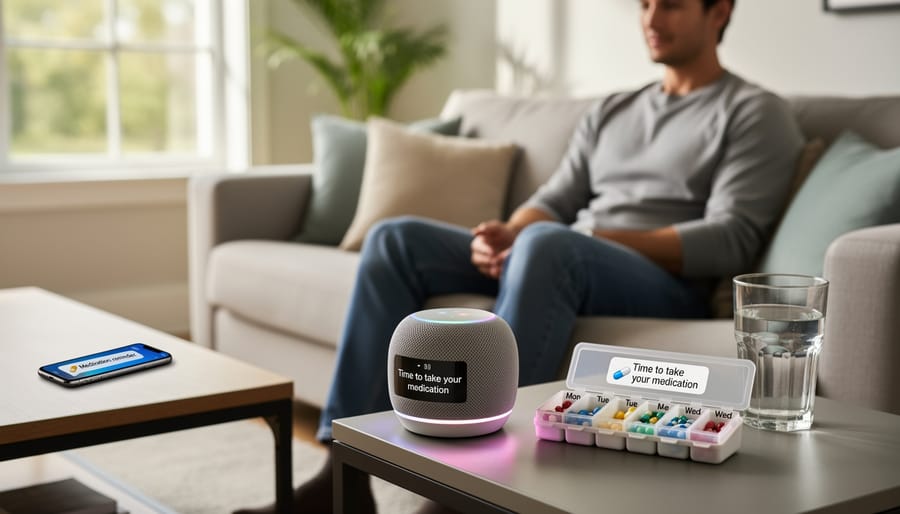
Managing multiple medications can feel overwhelming, especially when you’re juggling different schedules throughout the day. Q voice assistant simplifies this process by acting as your personal medication companion. Simply tell Q which medications you take and when, and it will send you timely reminders so you never miss a dose.
For someone managing diabetes, Q can remind you to take your metformin with breakfast and dinner, while also prompting your evening insulin injection. If you’re on cardiovascular medications like blood pressure pills that need precise timing, Q ensures you stay on track without constantly checking the clock or setting multiple phone alarms.
The assistant also helps you track when you’ve taken each dose by confirming through simple voice commands like “Q, I took my morning medications.” This creates a reliable record that’s especially helpful during doctor appointments. When your prescriptions are running low, Q can remind you to contact your pharmacy for refills, preventing those stressful moments when you realize you’re down to your last pill. By removing the mental burden of remembering complex medication schedules, Q helps you focus on living your life while staying consistent with your treatment plan.
Tracking Nutrition and Physical Activity
Q makes tracking your nutrition and physical activity remarkably simple, especially for busy Albertans juggling work, family, and health management. Instead of fumbling with apps or notebooks, you can simply tell Q what you ate for lunch, and it logs your meal and calculates calories automatically. Whether you’re managing diabetes and need to monitor carbohydrate intake, or you’re watching your sodium for heart health, Q keeps accurate records without interrupting your day.
Water intake tracking becomes effortless too. Just say “Q, I drank a glass of water” while you’re at your desk or between meetings, and it’s recorded. This hands-free approach is particularly valuable when you’re cooking, exercising, or caring for family members.
Recording physical activity works the same way. After your morning walk or yoga session, tell Q what you did and for how long. The assistant tracks your movement patterns over time, helping you see progress and stay motivated. For those managing chronic conditions where consistent activity matters, this removes the barrier of manual logging. You’re more likely to track consistently when it takes just seconds and requires no typing, making Q a practical partner in your health journey.
Monitoring Vital Signs and Symptoms
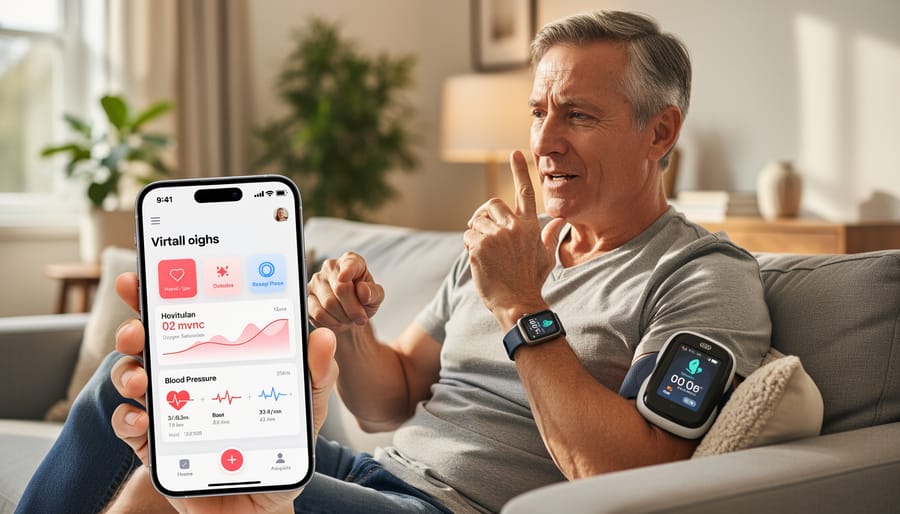
Managing your health data becomes remarkably simple with Q. Instead of scrambling for pen and paper or trying to remember numbers later, you can speak your readings aloud immediately after taking them. “Q, my blood pressure is 128 over 82” or “Q, log my blood sugar at 6.2” captures these vital measurements instantly while they’re fresh.
This hands-free approach proves especially valuable when you’re juggling a blood pressure cuff or glucose meter. Q also tracks your weight, medication times, and symptoms like headaches or fatigue without requiring you to navigate complicated apps or forms.
Over time, Q builds a comprehensive health record that reveals patterns your healthcare provider needs to see. When your doctor asks about your blood sugar trends over the past month, you’ll have organized data ready to share rather than vague estimates. This type of remote health monitoring transforms scattered observations into meaningful insights.
The voice-activated logging removes barriers that often derail health tracking. No typing, no app learning curves, no forgotten notebooks. Just speak, and Q remembers, helping you stay accountable while giving your healthcare team the information they need to support your wellness journey effectively.
Real Benefits for Chronic Disease Management
Better Adherence to Treatment Plans
Sticking to treatment plans can be challenging, especially when managing chronic conditions that require daily medications, regular monitoring, or lifestyle changes. Q voice assistant addresses this common struggle by making adherence simpler and more natural. Instead of juggling pill organizers, phone alarms, and paper logs, you can rely on personalized voice reminders that fit seamlessly into your routine.
The system works by sending you timely prompts for medications, blood sugar checks, exercise sessions, or whatever your health plan requires. You can respond immediately by voice, confirming you’ve taken your medication or logging your readings without stopping what you’re doing. This hands-free convenience removes common barriers that lead people to skip or forget important health tasks.
Research consistently shows that reminder systems significantly improve medication adherence, and voice technology makes this even easier for Albertans who may have dexterity issues, vision challenges, or simply busy schedules. Q also tracks your patterns over time, helping you identify when you’re most likely to miss doses so you can adjust your routine. By turning complex health management into simple conversations, the assistant transforms adherence from a daily burden into a manageable habit.
Reduced Stress and Mental Load
Managing a chronic condition means keeping track of medications, appointments, symptoms, blood sugar levels, blood pressure readings, and countless other details. It’s exhausting, and the mental load can feel overwhelming. This constant worry about forgetting something important adds stress that can actually worsen your health outcomes.
Q voice assistant helps lighten this burden by taking over the tracking tasks that consume so much mental energy. Instead of manually logging every reading or remembering when you last took your medication, you simply speak to Q and it records everything accurately. This automation means you can focus your energy on actually living your life rather than managing spreadsheets and paper logs.
The psychological benefits go beyond simple convenience. When you know your health data is being captured reliably, you experience less anxiety about missing important patterns or forgetting to report something to your doctor. You’re freed from the guilt that often comes with inconsistent tracking. For many Albertans managing conditions like diabetes or heart disease, this reduced mental load translates to better sleep, improved mood, and more energy for activities that bring joy and connection to your life.
Getting Started: Is Q Right for You?
Before diving into Q voice assistant, it’s worth taking a moment to consider whether this tool aligns with your lifestyle and health management needs.
Q works best for people who want hands-free support with daily health tasks. If you’re managing conditions like diabetes, high blood pressure, or heart disease, Q can help you stay on track with medications, appointments, and symptom monitoring without adding stress to your routine. The voice-based system is particularly helpful if you prefer speaking over typing or tapping on smartphone apps.
Think about your current comfort level with technology. Q is designed to be user-friendly, even if you’re not tech-savvy. You don’t need to navigate complex menus or remember passwords. Simply speak your requests naturally, and Q responds. That said, you will need a compatible device (usually a smartphone or smart speaker) and a stable internet connection to get started.
Privacy is an important consideration when using any health-related technology. Q encrypts your health data and allows you to control what information gets stored. If you have concerns about data security, review Q’s privacy settings during setup and adjust them to your comfort level. You can typically limit what the assistant remembers or delete previous interactions.
Consider how Q fits with your existing health routines. If you already use a medication organizer, blood pressure monitor, or glucose meter, check whether Q can integrate with these tools. Many users find Q most valuable when it connects with their current devices rather than replacing everything.
Getting started is straightforward. Download the Q app, create an account, and follow the voice-guided setup process. Start with simple tasks like setting medication reminders before exploring advanced features. Most people feel comfortable using basic functions within the first week.
Q isn’t essential for everyone, but if you value convenient health tracking and gentle accountability, it’s worth exploring as part of your wellness toolkit.
Privacy and Security: What You Should Know
When you’re sharing health information with any digital tool, it’s natural to have questions about privacy. Q voice assistant takes health data privacy seriously, and understanding what happens with your information helps you make informed decisions.
Q collects only the health information you choose to share through voice commands, such as blood pressure readings, medication schedules, or symptom descriptions. This data is encrypted both during transmission and storage, meaning it’s scrambled into unreadable code that protects it from unauthorized access. The assistant stores your information on secure servers that meet healthcare privacy standards, including compliance with Canadian privacy laws.
You maintain control over your data at all times. You can review what information Q has stored, delete specific entries or your entire history, and adjust privacy settings based on your comfort level. Q doesn’t sell your health information to third parties or use it for advertising purposes.
However, it’s important to understand that no system is completely risk-free. Using voice assistants in public spaces means others might overhear your health conversations. If you share devices with family members, consider setting up voice recognition or separate profiles to keep your health information private.
Before using Q, review its privacy policy to understand exactly how your data is handled. Ask questions about who can access your information and how long it’s retained. Being informed helps you use Q confidently while protecting your personal health details.
Q voice assistant offers a convenient way to stay informed about your health, but it’s important to remember that it works best as a supportive tool alongside your regular medical care, not as a replacement for professional advice. Think of Q as a helpful companion that makes health information more accessible and reminds you to stay on track with your wellness goals. Whether you’re managing diabetes, monitoring blood pressure, or simply trying to build healthier habits, voice-based tools like Q can fit naturally into your daily routine without adding stress or complexity.
Taking charge of your health doesn’t have to feel overwhelming. As you explore options that work for your lifestyle, consider how voice assistants might support your journey toward better health. Start small by asking Q simple questions about your condition, tracking one health metric, or setting a daily medication reminder. These small steps can build confidence and momentum in managing your wellbeing. Your health matters, and the tools available today make it easier than ever for Albertans to take proactive steps in caring for themselves.