
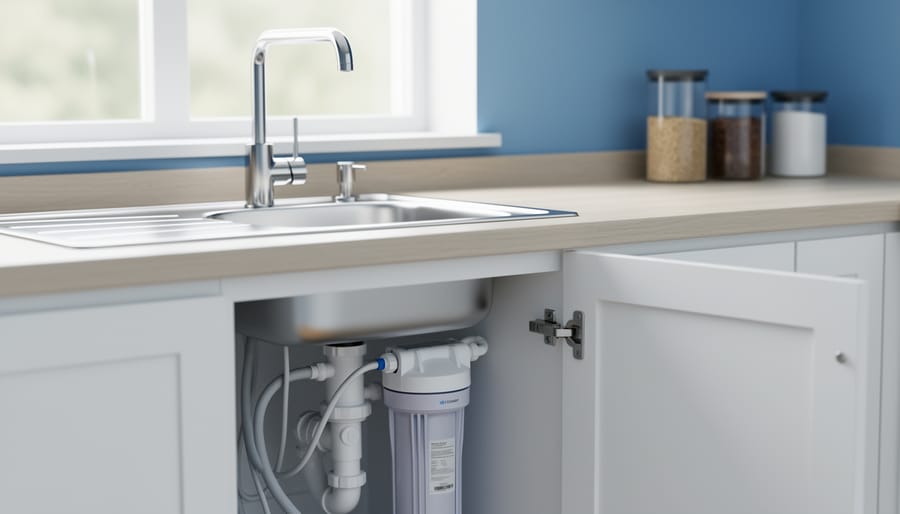
An under-sink water filtration system removes contaminants like lead, chlorine, pesticides, and microplastics directly at your tap, delivering safer drinking water without the hassle of pitcher filters or countertop units. These point-of-use systems install beneath your kitchen sink and connect to a dedicated faucet or your existing cold-water line, filtering water on demand. For Alberta households, particularly those managing chronic conditions like cardiovascular disease or diabetes, cleaner water reduces exposure to chemicals linked to inflammation and metabolic disruption.
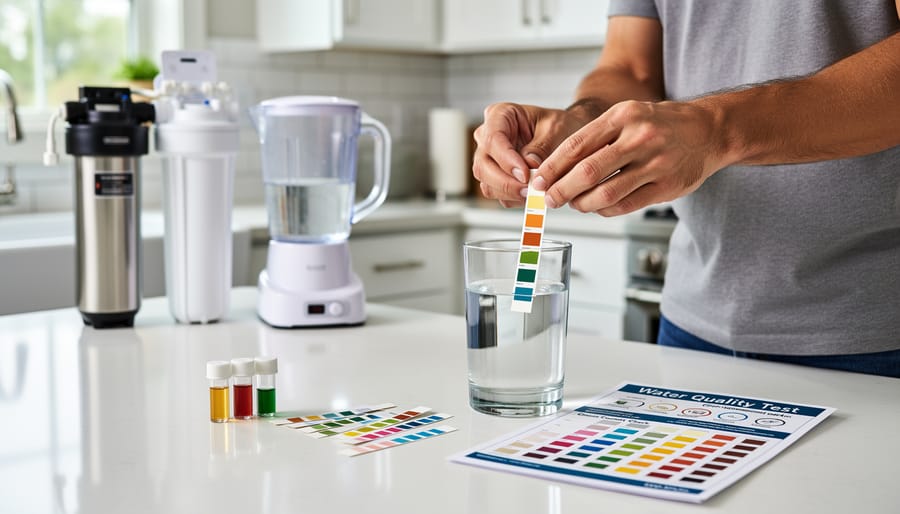
Choosing the right system depends on three core factors: your water source (municipal or well), the specific contaminants present in your supply, and your household’s daily water consumption. Municipal water in Alberta typically requires filtration for chlorine, disinfection byproducts, and trace pharmaceuticals, while well water users often need protection against bacteria, nitrates, and sediment. A certified lab test of your water (around $150 to $300) gives you the baseline data to match a filtration technology to your actual needs.
The market offers reverse osmosis, carbon block, and multi-stage hybrid systems, each with distinct strengths. Reverse osmosis excels at removing dissolved solids and heavy metals but wastes water during filtration. Carbon systems tackle chlorine and organic compounds efficiently without wastewater but won’t eliminate fluoride or arsenic. Understanding these trade-offs helps you avoid overpaying for features you don’t need or underprotecting your family’s health.
This guide from Aquarenaissance Under Sink Water Filters walks you through system types, selection criteria, and common purchasing mistakes so you can invest confidently.
Why Under-Sink Water Filtration Matters for Your Health
Your tap water might look clear, but it can harbour contaminants that quietly undermine your health over years of exposure. Municipal treatment doesn’t remove everything, chlorine byproducts, lead from aging pipes, agricultural runoff containing pesticides, and even trace pharmaceuticals can make their way into your glass. These substances accumulate in your body, creating oxidative stress and inflammation that contribute to serious health conditions down the line.
Lead leaches from older plumbing and interferes with blood pressure regulation, raising cardiovascular disease risk. Chlorine byproducts called trihalomethanes have been linked to bladder cancer in long-term studies. Pesticides like atrazine, commonly detected in prairie water supplies, disrupt hormone function and may worsen insulin resistance in people managing diabetes. Even low-level bacterial contamination can trigger chronic inflammation, a known driver of heart disease and metabolic disorders.
In Alberta, water quality varies significantly by region. Rural wells face different challenges than urban municipal systems, agricultural areas may see higher pesticide levels, while older Calgary and Edmonton neighbourhoods contend with lead service lines. Alberta Health monitors municipal supplies, but standards allow trace amounts of numerous contaminants considered “acceptable” for regulatory purposes, not optimal for health.
An under-sink filtration system gives you control over what enters your body daily. By removing specific contaminants tied to chronic disease, you’re making a tangible investment in cardiovascular health, cancer risk reduction, and better metabolic function. Clean water isn’t a luxury, it’s foundational preventive medicine you consume several litres of every single day.
What to Look for When Choosing an Under-Sink Water Filter
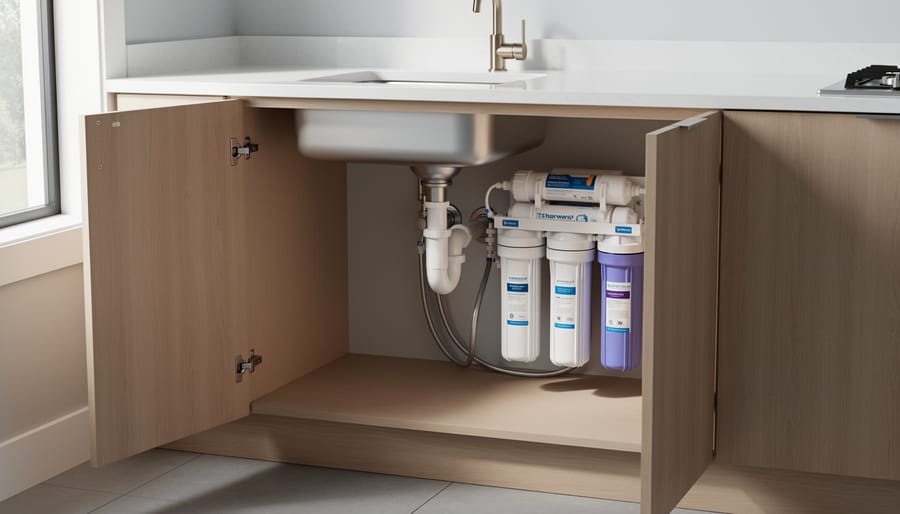
Choosing the right under-sink water filter requires balancing several important factors to match your household’s specific needs and priorities. The right system for a family of five will look different from what works for a single person, and your local water quality plays a major role in determining which features matter most.
Start by understanding what contaminants you’re dealing with. Municipal water in Alberta generally meets safety standards, but it can still contain chlorine, lead from aging pipes, or trace amounts of agricultural runoff. Well water presents its own concerns, including bacteria, nitrates, and heavy metals. Request a water quality report from your municipality or test your well water before shopping, this tells you exactly what you need to filter out and prevents overspending on unnecessary features.
Here are the core factors to evaluate when comparing systems:
- Filtration type and contaminant removal, Match the technology to what’s actually in your water; carbon filters handle chlorine and sediment, while reverse osmosis tackles heavy metals and fluoride.
- Flow rate and daily capacity, Ensure the system can keep up with your household’s water usage without slowdowns during peak times like morning routines.
- NSF/ANSI certification, Look for independent testing that verifies contaminant removal claims; certification numbers tell you exactly what each system removes.
- Installation requirements, Consider whether you need a professional plumber or can handle a DIY install, and check if your under-sink space accommodates the unit.
- Filter replacement frequency, Systems requiring changes every three months cost more long-term than those with annual replacements, even if the upfront price is lower.
- Total cost of ownership, Calculate five-year costs including filters, not just the initial purchase price.
- System lifespan and warranty, Quality systems last 10-15 years with proper maintenance; strong warranties indicate manufacturer confidence.
Your specific health priorities should guide your choice. If you’re managing cardiovascular health or concerned about environmental health impacts on chronic disease, removing heavy metals and chemical contaminants becomes critical. Families with young children often prioritize lead removal, while those with immune concerns focus on bacteria and virus filtration.
Budget matters, but think beyond the sticker price. A $200 system with $120 annual filter costs will surpass a $400 system with $40 annual costs within three years. Balance upfront investment against long-term maintenance to find the true value for your situation.
Types of Under-Sink Water Filtration Systems Compared
Carbon Block Filters
Carbon block filters use compressed, activated carbon to trap contaminants as water passes through microscopic pores. The carbon’s large surface area absorbs chlorine, volatile organic compounds (VOCs like pesticides and herbicides), and sediment that affect taste and smell. This makes them excellent for improving the palatability of municipal water and removing common chemical additives.
However, carbon block filters have clear limitations. They don’t remove dissolved minerals like calcium and magnesium (which actually benefit health), and they can’t filter out fluoride, nitrates, or heavy metals such as lead and arsenic. If your water contains these contaminants, you’ll need a more comprehensive system.
These filters work best for households on treated municipal water where the main concerns are chlorine taste, odour, and basic organic chemicals. They’re straightforward to maintain, typically requiring filter replacement every six to twelve months depending on water usage and quality. The cartridges are affordable (usually $30-60 each), making carbon block systems one of the most cost-effective options for basic filtration.
If you’re managing specific health conditions sensitive to chemical exposure or simply want better-tasting water without the complexity of reverse osmosis, carbon block filters offer a practical middle ground.
Reverse Osmosis (RO) Systems
Reverse osmosis systems use a semi-permeable membrane to force water through at pressure, blocking virtually everything larger than a water molecule. This makes RO the most thorough option for under-sink filtration.
RO systems excel at removing dissolved contaminants that other filters miss: heavy metals like lead and mercury, fluoride, arsenic, nitrates from agricultural runoff, and even pharmaceutical residues. If your water test shows elevated levels of these contaminants, or if you’re on well water in an agricultural area of Alberta, RO provides the most comprehensive protection.
The trade-off is water waste. Traditional RO systems flush two to four litres down the drain for every litre of filtered water produced. Newer models have improved this ratio to 1:1 or better, so check efficiency ratings before buying.
Another consideration: RO strips beneficial minerals like calcium and magnesium along with contaminants. Many systems now include a remineralization stage that adds these back, improving taste and providing trace minerals your body needs. Without remineralization, you might notice flat-tasting water and miss out on dietary mineral sources.
RO systems cost more upfront and require membrane replacement every two to three years, but they deliver the cleanest drinking water for households facing serious contamination concerns.
Ultrafiltration Systems
Ultrafiltration systems use a hollow-fiber membrane with microscopic pores (typically 0.01 to 0.1 microns) to physically block contaminants while letting water molecules pass through. This mechanical filtration process removes bacteria, viruses, cysts, sediment, and other particles without wasting any water, a significant advantage over reverse osmosis systems.
However, ultrafiltration can’t remove dissolved chemicals, heavy metals, or minerals because these molecules are smaller than the membrane pores. Chlorine, fluoride, pesticides, and lead pass right through unchanged. That’s why many ultrafiltration systems include a carbon pre-filter to handle chemical contaminants.
These systems work best if your main concern is biological contamination, particularly relevant for well water or areas with aging municipal infrastructure that might introduce bacteria. They’re also a good choice if you want thorough filtration without the water waste of RO systems, though you’ll need to address chemical contaminants separately. Ultrafiltration systems maintain strong water pressure and require minimal maintenance beyond occasional membrane cleaning.
Multi-Stage Filter Systems
Multi-stage filter systems combine several filtration technologies in one unit, typically layering sediment filters, carbon blocks, and specialty media like KDF or ion-exchange resins. This approach lets you target multiple contaminant categories without the water waste of reverse osmosis or the complexity of separate units.
A typical three-stage system might include a sediment pre-filter to catch rust and particles, an activated carbon block for chlorine and VOCs, and a final polishing stage for taste and odor. Some models add stages specifically for fluoride, heavy metals, or bacteria, depending on your water quality concerns.
The main advantage is customization. You can choose systems designed for specific contamination profiles, whether you’re dealing with agricultural runoff in rural Alberta or older plumbing in urban homes. Installation resembles standard under-sink filters, and you replace stages on different schedules rather than the entire system at once.
Multi-stage systems offer more thorough filtration than single-carbon filters while being more straightforward and water-efficient than RO. They work well for households wanting comprehensive protection without overthinking the technical details, especially when your water test shows moderate contamination across several categories rather than one severe issue.
Our Recommendations: Which System Is Right for You?
Choosing the right system depends on your specific situation, water source, and health priorities. Here’s how to match a filtration system to your household needs.
For families with children or individuals in most vulnerable groupsa reverse osmosis system offers the most comprehensive protection. If you’re managing cardiovascular disease, diabetes, or immune system concerns, removing heavy metals like lead and arsenic becomes critical. RO systems handle these contaminants effectively, and many models now include remineralization stages to restore beneficial calcium and magnesium. Expect to invest $300-600 upfront, with annual filter costs around $150-200.
Municipal water users can often get excellent results with a quality multi-stage carbon filter system. Alberta’s municipal water already meets safety standards, but carbon filtration improves taste by removing chlorine and reduces exposure to disinfection byproducts linked to long-term health risks. These systems cost $150-350 and require filter changes every 6-12 months. They’re particularly suitable if your main concerns are taste, odour, and reducing chemical exposure relevant to Alberta prevention programs focused on environmental health.
Well water households need more robust filtration due to naturally occurring contaminants like bacteria, sediment, and potentially nitrates or arsenic. An RO system with pre-filtration stages works best here. Budget for professional installation since well water often requires additional considerations like pressure tanks and UV sterilization.
Renters should consider systems designed for easy installation and removal. Look for models that don’t require permanent modifications to plumbing. A compact carbon block or ultrafiltration system with quick-connect fittings lets you take it when you move. Some landlords may cover installation costs if you explain the health benefits.
Budget-conscious households can start with a two-stage carbon system. While less comprehensive than RO, it addresses the most common concerns, chlorine, sediment, and taste, at $100-200 initially and minimal ongoing costs.
Common Mistakes to Avoid When Buying an Under-Sink Filter
Making a smart purchase means sidestepping common traps that leave buyers frustrated or stuck with the wrong system. These mistakes often stem from rushing the decision or focusing on the wrong factors. Here’s what to watch for:
- Skipping certification checks: If a system lacks NSF/ANSI certification for the contaminants you care about, you’re trusting marketing claims without independent verification. Always confirm certification numbers match your water quality concerns.
- Ignoring long-term filter costs: A cheap system with expensive replacement filters can cost more over three years than a pricier unit with affordable refills. Calculate annual filter costs before buying, not after installation.
- Choosing on price alone: The lowest-priced option rarely addresses your specific water issues. Match the system’s capabilities to your actual contaminants rather than grabbing the budget model.
- Believing broad removal claims: “Removes 99% of contaminants” sounds impressive but means nothing without specifics. Check the contaminant list and performance data sheet to see what’s actually filtered.
- Forgetting to measure cabinet space: Under-sink systems vary dramatically in size. A reverse osmosis tank won’t fit in a cramped cabinet, and discovering this after purchase creates headaches.
- Underestimating maintenance complexity: Some systems need filter changes every three months across multiple stages, while others run six to twelve months on a single cartridge. Consider your willingness to stay on top of maintenance.
- Over-filtering or under-filtering: Installing a reverse osmosis system when carbon filtration would suffice wastes water and money. Conversely, choosing basic carbon when you have lead contamination leaves health risks unaddressed.
Taking time to assess your water quality through testing prevents most of these mistakes. A lab report shows exactly what you’re dealing with, letting you match system capabilities to real needs rather than guessing. When you know your contaminants, required flow rate, available space, and maintenance tolerance, you eliminate the guesswork that leads to buyer’s remorse.
Installation and Maintenance: What to Expect
Most under-sink filtration systems are designed for straightforward DIY installation if you’re comfortable with basic plumbing. Standard carbon block and multi-stage systems typically take 1-2 hours to set up and require only a wrench, screwdriver, and the ability to connect plastic tubing to your cold water line. Reverse osmosis systems are slightly more involved because they need a drain connection for wastewater and sometimes a separate faucet, but manufacturer instructions are generally clear. If you’re renting, have limited cabinet space, or feel uncertain about shutting off water valves, hiring a plumber for $150-300 ensures proper installation and saves potential headaches.
Maintenance is simpler than most people expect. Carbon filters usually need replacement every 6-12 months depending on your water quality and usage, costing $50-150 annually. RO systems require sediment and carbon pre-filter changes every 6 months ($30-60), plus a membrane replacement every 2-3 years ($80-150). Ultrafiltration membranes can last 3-5 years with regular backflushing.
Watch for these signs your system needs attention: noticeably slower flow rate, return of chlorine taste or odour, cloudy or discoloured water, or unusual sounds during filtration. Most systems have indicator lights or gauges, but your senses are often the first alert.
To maximize efficiency, flush new filters for 5-10 minutes before drinking, check for leaks monthly during the first three months, and keep the area under your sink clean and dry. If you have hard water, descale connections annually. These small habits prevent bigger problems and keep your water consistently safe.
Frequently Asked Questions
Municipal water meets basic safety standards, but many Albertans choose under-sink filtration for extra protection. Treatment plants remove major contaminants, but trace amounts of chlorine, lead from old pipes, agricultural runoff, and disinfection byproducts often remain. If you manage a chronic condition or want to minimize long-term exposure to these substances, filtration adds a protective layer that supports your overall health strategy.
How much do replacement filters cost annually?
Expect to spend $50 to $200 per year depending on your system type and household water usage. Carbon filters typically need replacement every 6-12 months, while RO membrane filters last 2-3 years but require more frequent pre-filter changes.
Will an under-sink filter reduce my water pressure?
Most systems cause minimal pressure reduction if properly maintained. Carbon filters may slow flow slightly as they age, while RO systems naturally produce water more slowly due to the filtration process, which is why they include storage tanks.
Do I lose beneficial minerals when filtering water?
Carbon filters leave minerals intact. RO systems remove them but many newer models include remineralization stages that add calcium and magnesium back, balancing thorough filtration with mineral content your body uses.
Can I install an under-sink filter myself?
Many systems are designed for DIY installation with basic tools and take 1-2 hours. If you’re uncomfortable working with plumbing connections or lack shutoff access under your sink, hiring a plumber ensures proper setup and prevents leaks.
How do I know when filters need changing?
Most systems include indicator lights or timers. Beyond these reminders, watch for slower flow rate, odd taste or smell, or cloudy appearance as signs your filter has reached capacity and needs replacement.
Understanding these practical aspects helps you make choices that fit your daily routine and budget. Building health literacy in Alberta includes knowing how home improvements like water filtration support your long-term wellness goals. The right system becomes part of your preventive health approach rather than an expensive hassle.
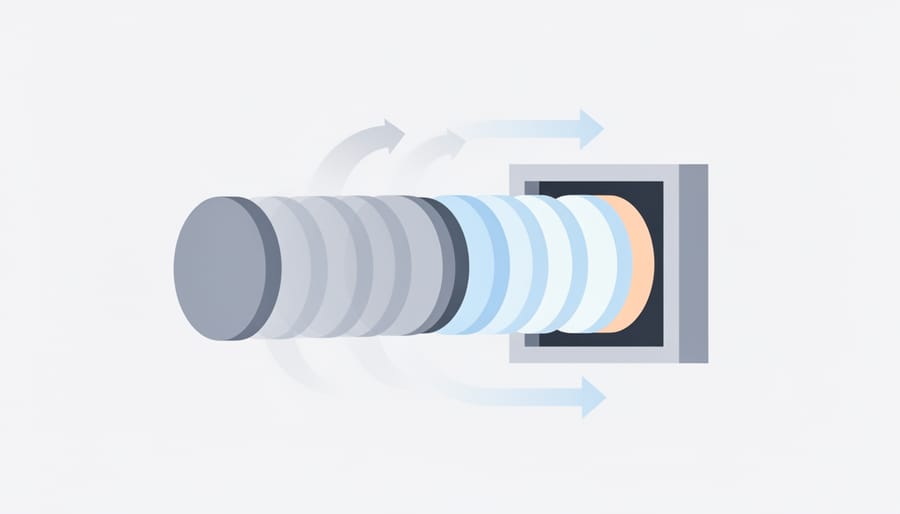
Choosing the right under-sink water filtration system isn’t just about cleaner-tasting water, it’s a meaningful step toward protecting your long-term health. By reducing exposure to contaminants linked to cardiovascular disease, diabetes complications, and other chronic conditions, you’re making a proactive investment in your family’s wellbeing.
The best system for your home depends on three things: what’s actually in your water, which health outcomes matter most to you, and what fits your budget over time. There’s no one-size-fits-all answer, which is why taking the time to understand your specific situation pays off.
Before you buy, get your water tested. Many municipalities in Alberta offer free or low-cost water quality reports, and private labs can provide detailed analysis if you’re on well water or want more comprehensive results. Armed with real data about your water, you can choose a system that targets the contaminants you actually face rather than guessing.
If you’re unsure where to start, reach out to a certified water quality professional in your area. They can help you match the right filtration technology to your household’s needs and ensure you’re getting genuine protection, not just marketing promises.