
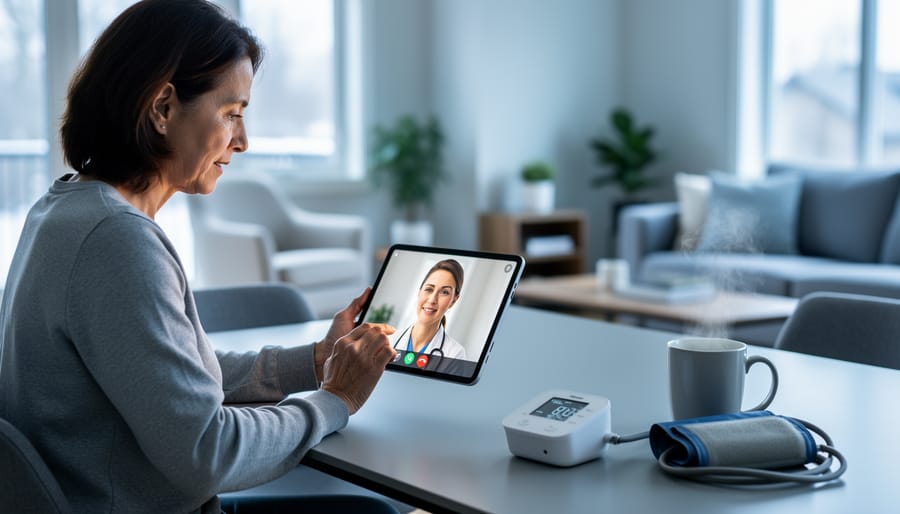
Telehealth technologies connect you to healthcare providers remotely through video calls, phone consultations, mobile apps, and digital monitoring devices. If you’re managing diabetes, heart disease, or another chronic condition in Alberta, these tools mean you can check in with your care team, adjust your treatment plan, and track your health metrics without leaving home.
The technology works through secure platforms where you video chat with your doctor or nurse practitioner, much like a FaceTime call but with medical-grade privacy protection. Remote monitoring devices send your blood pressure, glucose levels, or weight directly to your healthcare team. Messaging portals let you ask quick questions and receive care instructions without booking an appointment. Alberta Health Services and many clinics across the province now offer these services as standard options, not emergency substitutes.
For people juggling work schedules, mobility challenges, or living outside major cities, telehealth removes the barriers that make regular check-ins difficult. You can attend a follow-up appointment during your lunch break or get specialist advice without a two-hour drive to Edmonton or Calgary.
The shift accelerated dramatically in recent years, and virtual care is now woven into how Albertans receive ongoing health support. What started as a convenience has become essential infrastructure, especially for managing conditions that require frequent monitoring and small adjustments. Understanding which technologies suit your needs and how to access them in Alberta helps you take full advantage of care that fits your life, not the other way around.
What Telehealth Technologies Actually Mean for You
Telehealth technologies are simply the tools that let you connect with healthcare providers and manage your health without always needing to visit a clinic in person. Think of them as ways to bring healthcare into your daily life, whether you’re at home, at work, or traveling around Alberta.
The core difference from traditional healthcare is location and timing. Instead of booking an appointment weeks out, driving to a clinic, and sitting in a waiting room, you might video call your doctor from your kitchen table, check your blood pressure readings through an app, or message your care team when a question comes up. These technologies don’t replace your healthcare team; they give you more ways to stay connected with them.
Here are the main types of telehealth tools you’ll encounter:
- Virtual Visit
- A real-time video or phone appointment with your doctor, nurse, or specialist, just like an in-person visit but through your computer or phone.
- Remote Patient Monitoring
- Devices that track your health data, like blood sugar levels or heart rate, and send the information directly to your healthcare team for review.
- Asynchronous Care
- Non-urgent communication where you send messages, photos, or updates to your provider, and they respond when they can, like secure email.
- Patient Portal
- A secure online platform where you can view test results, request prescription refills, and access your medical records anytime.
- Wearable Devices
- Fitness trackers and smartwatches that monitor steps, sleep, heart rate, and other health metrics you can share with your care team.
Mobile health apps round out the picture, offering everything from medication reminders to symptom trackers to nutrition logs. Many of these connect directly with your healthcare provider’s systems, making it easier to share accurate information during appointments.
For Albertans managing chronic conditions, telehealth technologies open doors to more consistent care and personalized medicine tailored to your specific needs. You get more touchpoints with your healthcare team without the barriers of distance, weather, or busy schedules.
Why Telehealth Matters for Managing Chronic Conditions
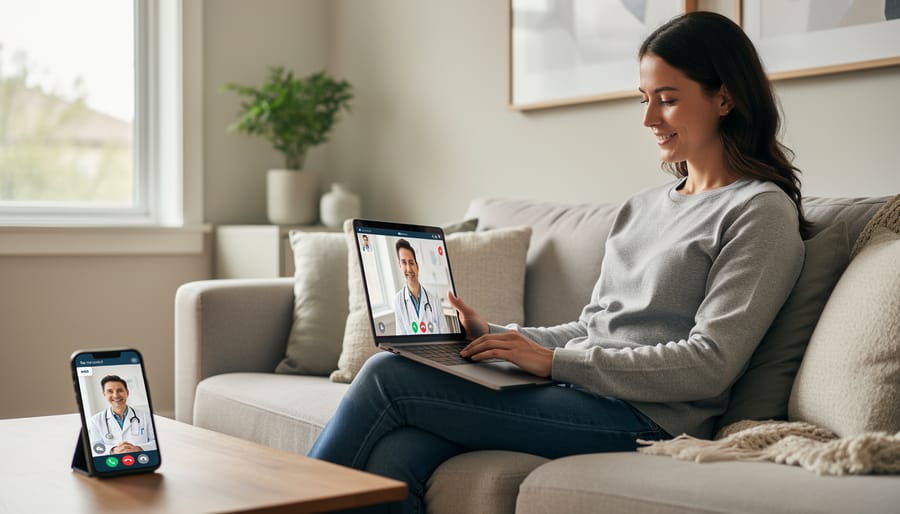
Keeping Diabetes in Check From Home
Remote glucose monitoring lets you see your blood sugar levels throughout the day without constant finger pricks. Continuous glucose monitors (CGMs) send data directly to your phone, showing patterns your doctor can review during virtual check-ins. Research shows remote glucose monitoring improves A1C levels more effectively than traditional testing alone, because you catch spikes and drops as they happen.
Virtual nutritionist consultations give you personalized meal planning without driving across Calgary or Edmonton for appointments. You can discuss your food diary, review carb counting strategies, and adjust your eating plan based on real glucose data from your monitor. Many Alberta clinics now offer these sessions through video calls, making it easier to check in weekly or monthly as needed.
App-based tracking pulls everything together. You log meals, medications, exercise, and sleep in one place, then share the full picture with your healthcare team. This running record helps your doctor spot trends, adjust insulin doses, and catch problems before they become serious, all while you manage diabetes from your kitchen table.
Heart Health Monitoring That Fits Your Life
Keeping your heart healthy does not require constant clinic visits. If you have high blood pressure, are at risk for heart disease, or already manage cardiovascular conditions, telehealth gives you tools to track your health daily and adjust your plan quickly when things change. A Bluetooth-enabled blood pressure monitor syncs readings directly to an app your doctor can review, catching concerning trends before they become emergencies. Research shows that telehealth improves blood pressure control compared to standard care, because you get more frequent check-ins without leaving home.
Virtual appointments make medication management simpler. Your healthcare provider can adjust prescriptions based on recent readings, review side effects over video, and answer questions between scheduled visits. Many Albertans also access lifestyle coaching through telehealth, registered dietitians who help you lower sodium intake, kinesiologists who design safe exercise plans, or nurses who walk you through stress management techniques. You work on heart health in your own kitchen, your own living room, at your own pace, with expert guidance tailored to your life.
The Telehealth Tools You Can Use Right Now in Alberta
Alberta offers several telehealth services you can start using today, no matter where you live in the province. These tools connect you directly to healthcare professionals, health monitoring resources, and support programs designed for chronic disease management and prevention.
Alberta Netcare and Virtual Visits
Through Alberta Health Services, you can access virtual care appointments with physicians and specialists for many non-emergency health concerns. These video or phone consultations work well for medication reviews, follow-up appointments, lab result discussions, and managing chronic conditions like diabetes or high blood pressure. Many family doctors and walk-in clinics across Alberta now offer virtual appointment options, check with your current provider about their telehealth availability.
Provincial Telehealth Programs
Alberta residents can access:
- Virtual doctor appointments through family physicians, walk-in clinics, and specialist referrals
- Pharmacy consultations for medication questions, prescription renewals, and dosage adjustments
- Mental health support including counseling, therapy sessions, and crisis intervention
- Chronic disease management programs for diabetes, cardiovascular health, and weight management
- Nutrition counseling with registered dietitians for disease prevention and lifestyle modification
Health Link (811) remains your starting point for telehealth navigation. Registered nurses provide 24/7 advice, help you decide if you need in-person care, and can direct you to appropriate virtual services.
Remote Monitoring Devices and Apps
Several Alberta clinics and disease management programs now provide patients with home monitoring equipment. Blood pressure cuffs, glucose monitors, and weight scales that automatically sync data to your healthcare team are becoming standard in chronic disease care. Your doctor can prescribe these devices as part of your treatment plan.
Mobile health apps approved for use in Alberta’s healthcare system let you track symptoms, medications, and lifestyle factors. Some connect directly to your healthcare provider’s records, while others help you prepare for appointments with organized health data. AI in healthcare is enhancing these platforms with personalized insights based on your patterns.
Ask your family doctor which specific programs and tools they recommend for your health situation. Many are covered under Alberta Health Care Insurance or extended health benefits.
Making Telehealth Work for Your Lifestyle
Getting Ready for Your First Virtual Appointment
Your first virtual appointment might feel a bit different from sitting in a clinic waiting room, but with a few simple preparations, you’ll walk in confident and ready to make the most of your time with your healthcare provider.
Start by testing your setup a day before your appointment. Open the video platform your clinic uses, whether that’s a specific app or a web link they’ve sent you, and make sure your camera and microphone work. You don’t need fancy equipment; a smartphone, tablet, or laptop with a working camera is all you need. If you’re unsure, most platforms have a test feature you can run without calling anyone.
Before your appointment begins, follow these steps to prepare:
- Check your internet connection, a stable Wi-Fi signal prevents dropped calls and frustrating interruptions
- Gather your health information, including recent test results, symptom notes, or glucose logs if you’re managing diabetes
- List all current medications with dosages, plus any vitamins or supplements you take regularly
- Write down your questions and concerns so you don’t forget what you wanted to ask
- Find a quiet, private space where you can speak openly without interruptions or background noise
When the appointment starts, position yourself so your face is well-lit and clearly visible. Speak naturally, just as you would face-to-face. If you need to show your provider something, like a rash, an insulin pump, or a medication bottle, hold it up to the camera. Don’t hesitate to ask your provider to repeat something or clarify instructions; that’s perfectly normal in virtual care, just like it is in person.
Tracking Your Health Between Appointments
Consistent tracking between appointments turns sporadic checkups into continuous care. You don’t need expensive equipment, a notebook, your phone, and basic awareness work fine for most chronic conditions.
Start simple. Blood pressure, blood sugar readings, weight, meals, and daily activity are the core data points your healthcare team actually uses. Record them when it matters most: first thing in the morning for weight and blood pressure, before meals for glucose if you’re diabetic, and throughout the day for symptoms like fatigue or pain levels. Patterns matter more than perfect logs.
Free apps like MyFitnessPal for food or Apple Health for steps pull everything together automatically. Many glucose monitors and blood pressure cuffs sync directly to your phone. If technology feels overwhelming, a paper calendar with simple checkmarks (walked 20 minutes, took medication, felt good/bad) gives your provider useful insight.
The real power emerges when your healthcare team uses this data, similar to how bioinformatics helps researchers spot health patterns in large datasets. Share your log during virtual visits so your doctor can adjust medications, catch trends you missed, or celebrate improvements. Don’t edit or clean up the data beforehand, honest tracking, including the days you struggled, helps your provider give you better care.
What Telehealth Can and Cannot Do

Telehealth excels at managing ongoing health conditions, providing routine follow-ups, and offering quick access to medical advice. You can consult with your healthcare provider about medication adjustments, discuss test results, review symptoms, and get support for chronic disease management, all without leaving home. It’s particularly effective for mental health counseling, nutrition coaching, and preventive care discussions. Remote monitoring tools and health data analytics help your care team spot trends in your blood pressure, glucose levels, or weight before problems escalate.
Pros
- Access care from anywhere, eliminating travel time and waiting rooms.
- Schedule appointments that fit your work and family commitments more easily.
- Maintain regular contact with your healthcare team between in-person visits.
- Reduce exposure to illnesses in clinical settings, especially important for immunocompromised individuals.
Cons
- Providers cannot perform hands-on physical examinations or palpate areas of concern.
- Emergency situations requiring immediate intervention need in-person or hospital care.
- Complex diagnostic procedures, imaging, and lab work still require facility visits.
- Limited internet access or unfamiliarity with technology can create barriers for some patients.
However, virtual care has clear boundaries. Your doctor can’t feel a lump, listen to your lungs properly, or assess your gait through a screen. Chest pain, severe shortness of breath, uncontrolled bleeding, or signs of stroke require emergency care, not a video call. Similarly, procedures like vaccinations, wound care, or diagnostic imaging need you to be physically present.
When booking appointments, ask yourself: does this concern require someone to touch, see, or measure something in person? If you’re unsure, call the clinic and explain your symptoms. Most providers will tell you honestly whether telehealth is appropriate or if you should come in. Don’t hesitate to request an in-person visit if virtual care doesn’t feel adequate for your situation, you know your body best, and advocating for thorough care is part of managing your health effectively.
Overcoming Common Telehealth Challenges
Starting a virtual appointment can feel daunting if you’re not comfortable with technology. Many Alberta residents worry about missed connections, frozen screens, or simply not knowing which button to press. The good news is that most telehealth platforms are designed for simplicity. Before your first appointment, do a test call with a friend or family member using the same app. Check your camera and microphone settings. Most healthcare providers send instructions ahead of time, and their staff can walk you through setup if needed. Remember, technical hiccups happen to everyone, including your doctor.
Privacy concerns are valid. You might wonder if your health information is safe when transmitted online. Alberta telehealth services follow strict provincial and federal privacy laws, including the Health Information Act. Your conversations are encrypted, and platforms used by healthcare providers meet the same security standards as your bank’s online services. If you’re worried, ask your clinic which platform they use and how they protect your data. You have the right to understand how your information is handled.
Internet connectivity can be tricky, especially in rural areas. If your connection is unstable, consider scheduling appointments during off-peak hours when bandwidth is better. Position yourself close to your router, or use a wired connection if possible. Let your healthcare provider know about connectivity challenges upfront so they can plan shorter check-ins or have a phone backup ready. Many clinics offer telephone-only appointments as an alternative.
Building trust with a provider through a screen takes time, but it’s absolutely possible. Make eye contact by looking at the camera, not the screen. Speak openly about what feels different or uncomfortable. Good healthcare providers adapt their approach for virtual visits and genuinely care about your experience, whether you’re in their office or on video.
Taking Your Next Steps With Telehealth
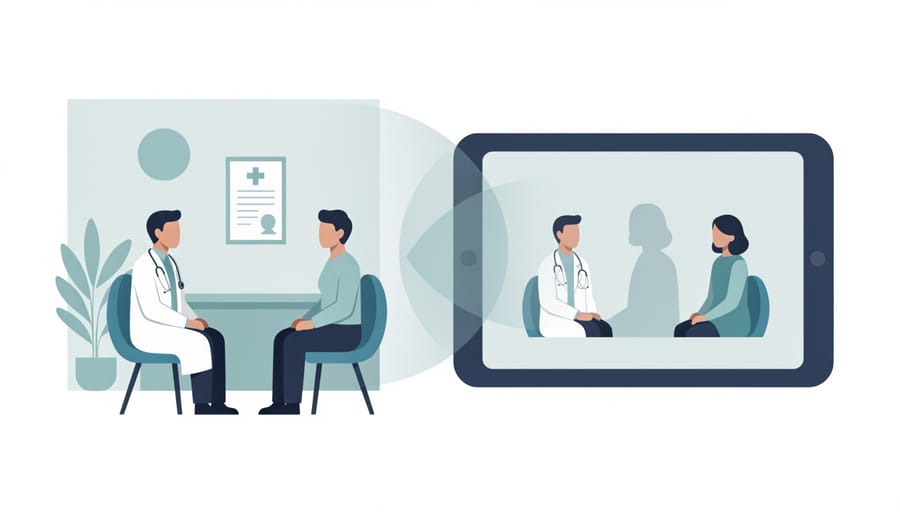
You don’t need to wait for a crisis to start using telehealth. If you’re managing diabetes, cardiovascular disease, or working to prevent chronic conditions, ask your family doctor or specialist about virtual care options at your next appointment. Simple questions work best: “Do you offer video appointments?” “Can I monitor my blood pressure or blood sugar remotely and share results with you?” “What apps or devices do you recommend for tracking my condition?”
Start with one small step. Download the AHS MyHealth Records app to access your lab results and appointment history. If your clinic uses virtual booking, schedule a video check-in for a routine follow-up rather than driving across town. Many Alberta clinics now integrate remote monitoring into standard care plans, just as advances in fields like computational biology are improving how medications are developed and prescribed for your specific health needs.
Explore Alberta Health Services’ telehealth programs and check if your primary care network offers virtual group education sessions on nutrition, exercise, or disease management. These sessions connect you with others facing similar challenges while building practical skills.
The technology exists. Your healthcare team is ready. Taking that first step, asking the question, booking the appointment, downloading the app, puts you in the driver’s seat. Telehealth isn’t about replacing your doctor; it’s about giving you more ways to stay healthy, catch problems early, and manage your conditions without putting your life on hold.
Telehealth technologies have opened new doors for Albertans who want more control over their health without sacrificing quality care. Whether you’re managing diabetes, keeping an eye on your heart health, or working to prevent chronic conditions before they start, virtual healthcare gives you options that fit your schedule and your life.
The real power of telehealth isn’t in replacing your doctor’s office, it’s in filling the gaps between visits. It keeps you connected to your healthcare team when you need guidance, helps you track changes before they become emergencies, and makes prevention part of your routine instead of an afterthought.
You don’t need to be tech-savvy to benefit. Start with one small step: a video check-in with your family doctor, a blood pressure app, or a virtual consultation about nutrition. These tools work best when they complement the care you’re already receiving, not when they stand alone.
Alberta’s healthcare landscape is changing, and you’re part of that shift. Take advantage of what’s available now, ask questions, and use telehealth as another way to stay healthy on your terms.