
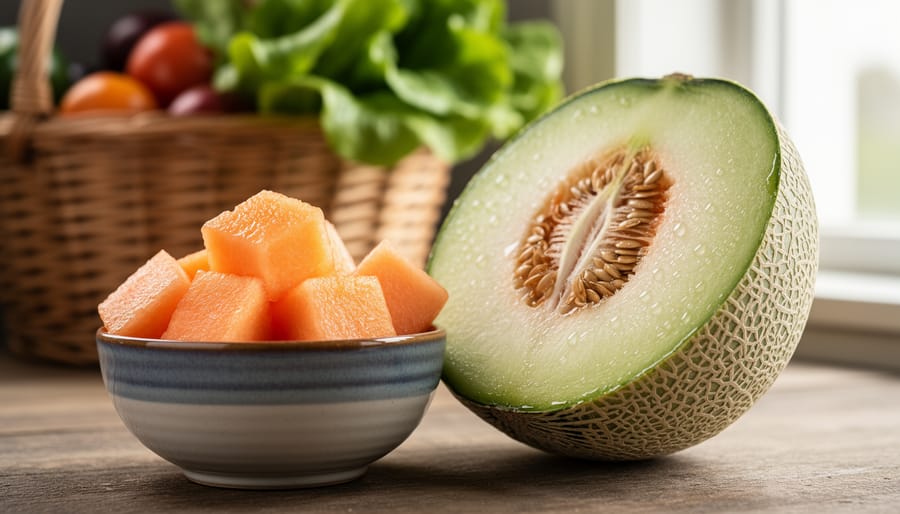
Cantaloupe nutrition refers to the vitamins, minerals, macronutrients, and beneficial compounds found in this sweet summer melon, which delivers significant health value for very few calories. A single cup of cubed cantaloupe provides around 54 calories alongside over 100% of your daily vitamin A and vitamin C needs, plus hydration from its 90% water content. For Albertans managing chronic conditions like diabetes or heart disease, or anyone simply aiming to eat better, understanding what’s inside cantaloupe helps you make smarter choices at the grocery store and farmers’ market.
This melon stands out in the produce aisle for its nutrient density. That one-cup serving packs 427 milligrams of potassium to support healthy blood pressure, folate for cell function, and powerful antioxidants that protect against inflammation and cellular damage. With just 14 grams of carbohydrates, minimal fat, and natural sugars balanced by fiber, cantaloupe fits easily into meal plans focused on weight management or blood sugar control.
The practical benefit? You get substantial nutrition without derailing your health goals. Whether you’re looking to boost immunity, support eye health, or simply add more whole foods to your diet, cantaloupe delivers measurable results in every juicy bite. This article breaks down the complete nutritional profile, explains how your body uses these nutrients, and offers straightforward tips for selecting and storing cantaloupe to maximize freshness and flavor.
What Cantaloupe Nutrition Means
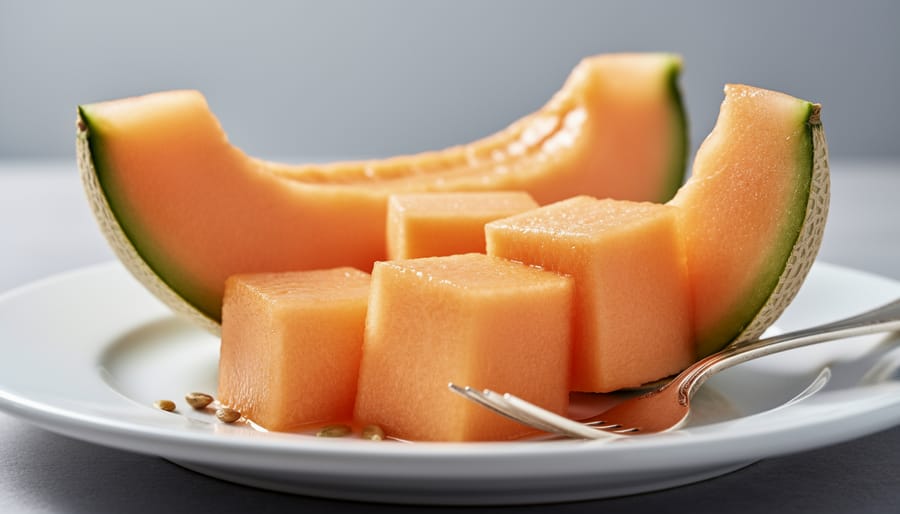
Cantaloupe nutrition refers to the specific vitamins, minerals, water, and macronutrients packed into this orange-fleshed melon. One cup of cubed cantaloupe delivers approximately 54 calories, 1.3 grams of protein, 13 grams of carbohydrates, and virtually no fat. That same serving provides 106 percent of your daily vitamin A needs and 95 percent of your vitamin C requirement, making it one of the most nutrient-dense fruits you can eat.
What sets cantaloupe apart is its combination of high water content (about 90 percent) and concentrated vitamins. You get significant nutrition with minimal calories, which matters when you’re managing weight or blood sugar. The carbohydrates come primarily from natural sugars, balanced by fiber that slows digestion.
Understanding these numbers becomes easier when you grasp a few basic nutrition concepts:
- Macronutrients
- The three main nutrients your body needs in larger amounts: protein, carbohydrates, and fat. Cantaloupe is primarily carbohydrate with negligible protein and fat.
- Micronutrients
- Vitamins and minerals your body requires in smaller quantities but that are essential for health. Cantaloupe excels here with vitamins A and C, plus potassium and folate.
- Daily Value Percentage
- The portion of a nutrient’s recommended daily intake provided by one serving. When you see 106 percent for vitamin A, that means one cup exceeds your full day’s need.
Beyond the percentages you’d see when decoding food labels cantaloupe offers antioxidants that reduce inflammation and support eye health. The mineral content includes 427 milligrams of potassium per cup, supporting heart function and blood pressure regulation. This nutritional profile makes cantaloupe particularly valuable for Albertans focused on chronic disease prevention, offering protective nutrients without excess calories or problematic fats.
How Your Body Uses Cantaloupe’s Nutrients
When you eat cantaloupe, your body immediately begins extracting and processing its rich nutrient content through several interconnected systems. Understanding these processes helps explain why this melon is more than just a sweet snack, it’s a functional food that actively supports your body’s daily operations.
Vitamin A Absorption and Vision Support
Cantaloupe provides vitamin A primarily as beta-carotene, an orange pigment your body converts into usable vitamin A in the small intestine. This conversion happens with the help of dietary fats, which is why pairing cantaloupe with a small amount of healthy fat, like yogurt or nuts, can enhance absorption. Once converted, vitamin A travels to your retina, where it forms rhodopsin, a protein essential for low-light vision and maintaining healthy corneas. A single cup delivers 106% of your daily vitamin A needs, making it one of the most efficient ways to support eye health.
Vitamin C and Immune Function
Your body can’t store vitamin C, so you need a steady supply from food. Cantaloupe’s 95-100% daily value per cup enters your bloodstream quickly after eating. This vitamin C circulates to your white blood cells, strengthening their ability to fight infections. It also acts as an antioxidant, neutralizing free radicals that would otherwise damage cells and contribute to chronic inflammation.
Potassium for Heart Rhythm
The 427 milligrams of potassium in each cup helps regulate your heart’s electrical signals and balances sodium levels. This mineral works inside your cells to maintain proper fluid balance and blood pressure, reducing strain on your cardiovascular system.
Hydration from Water Content
With 90% water content, cantaloupe contributes to your daily fluid needs while delivering nutrients, a dual benefit that plain water can’t match.
Breaking Down Cantaloupe’s Nutritional Components
Vitamins: A and C Powerhouse
One cup of cantaloupe delivers 106% of your daily recommended vitamin A and 95% of your daily vitamin C, an extraordinary concentration that makes this melon one of nature’s most efficient nutrient packages. Vitamin A, present as beta-carotene (the pigment that gives cantaloupe its orange color), converts in your body to retinol, which maintains the photoreceptor cells in your retinas and supports night vision and overall eye health. The vitamin C content works alongside vitamin A to provide antioxidant benefits for eyes protecting cells from oxidative stress that contributes to age-related macular degeneration and cataracts.
These two vitamins function as powerful immune defenders. Vitamin C stimulates white blood cell production and helps these infection-fighting cells work more effectively, while vitamin A maintains the integrity of mucous membranes in your respiratory and digestive tracts, your body’s first line of defense against pathogens. The antioxidant properties of both vitamins neutralize free radicals that damage cells and accelerate aging.
For skin health, vitamin C is essential for collagen synthesis, the protein that keeps skin firm and helps wounds heal. Vitamin A regulates cell turnover and sebum production, supporting skin repair and reducing inflammation. Getting nearly 200% of these critical vitamins from a single serving makes cantaloupe remarkably efficient for supporting multiple body systems at once.
Minerals and Electrolytes
A one-cup serving of cantaloupe delivers 427 milligrams of potassium, an electrolyte that regulates your heartbeat, maintains healthy blood pressure, and supports nerve signaling. Your body uses this mineral to balance fluid levels inside and outside your cells, making it particularly valuable if you’re managing cardiovascular health or taking medications that affect fluid balance. Alberta adults watching their sodium intake often miss the potassium and folate benefits that cantaloupe provides as a natural blood pressure support.
The same serving contains folate, a B-vitamin that builds and repairs DNA, supports red blood cell production, and proves especially important during pregnancy for fetal neural development. Cantaloupe also provides small amounts of calcium and phosphorus, 14.4 and 19.2 milligrams respectively, which work together to maintain bone density and cellular energy production. While these amounts seem modest compared to dairy products, they contribute meaningfully when you eat cantaloupe regularly as part of a varied diet.
These minerals support your body’s electrical systems, from muscle contraction to enzyme activation. The combination of potassium, folate, calcium, and phosphorus helps explain why cantaloupe appears on recommended lists for chronic disease prevention and heart health maintenance.
Hydration and Fiber
Staying hydrated matters year-round in Alberta’s dry climate, and cantaloupe is about 90% water, making it a refreshing way to meet your fluid needs. Each cup delivers roughly 144 grams of water alongside about 1.4 grams of fiber. That fiber slows digestion, helping you feel fuller longer and supporting regular bowel movements. The combination works well for managing hunger between meals without adding many calories, which supports healthy weight goals. If you’re watching blood sugar, the fiber also moderates the absorption of the fruit’s natural sugars. For Albertans managing heart disease or diabetes, this hydration-plus-fiber package makes cantaloupe a practical, satisfying addition to meals and snacks.
Natural Sugars and Calorie Profile
One cup of cantaloupe contains about 53 to 60 calories and approximately 13 grams of naturally occurring sugars. This low calorie density makes it a smart choice when you’re watching your weight, you get substantial volume and sweetness for minimal energy intake. The natural sugars come packaged with water and fiber, which slow absorption and help prevent blood sugar spikes. Unlike processed sweets, cantaloupe’s whole-food matrix means your body digests it gradually. For people managing diabetes or prediabetes, this matters: the fiber and water content moderate the glycemic response, making cantaloupe a reasonable fruit choice when eaten in typical portions. Pair it with a protein source like Greek yogurt or nuts to further stabilize blood sugar. The low calorie count combined with high satiety from water content supports weight management without feeling deprived.
How Cantaloupe Nutrition Supports Your Health Goals
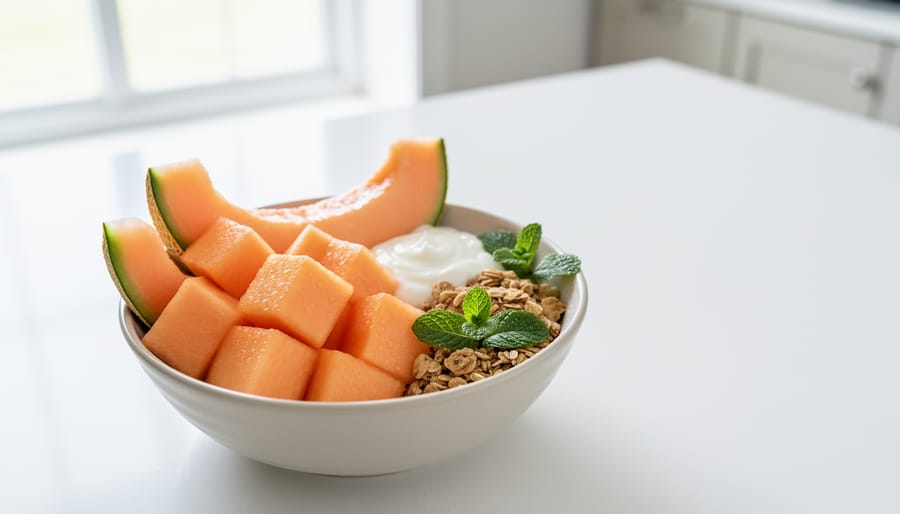
The connection between what you eat and your long-term health isn’t abstract, it’s direct, and cantaloupe offers a practical example. This fruit’s nutritional profile aligns with several key areas of chronic disease prevention and management, making it a strategic addition to your eating pattern if you’re working to protect your heart, manage your weight, or reduce your risk of cancer.
Cantaloupe’s high potassium content (427 milligrams per cup) directly supports cardiovascular health by helping regulate blood pressure. Potassium counters sodium’s effects and helps blood vessels relax, reducing strain on your heart. For Albertans managing hypertension or at risk for heart disease, incorporating potassium-rich foods like cantaloupe matters because it’s a dietary intervention you control. The fruit’s low sodium content and zero cholesterol further support heart health goals without adding cardiovascular risk factors.
For diabetes management and prevention, cantaloupe’s profile works in your favor despite containing natural sugars. At just 53-60 calories per cup with 1.44 grams of fiber, it provides sweetness and satisfaction without spiking blood sugar the way processed sweets do. The high water content (90 percent) and fiber slow digestion, creating a more moderate glycemic response. The nutrition chronic disease link is particularly relevant here: choosing whole fruits over refined carbohydrates represents a foundational dietary shift for blood sugar control.
Cantaloupe’s antioxidants, especially vitamin C (95-100% of your daily value per cup) and vitamin A (106% of daily value), contribute to cancer prevention by neutralizing free radicals that damage cells. While no single food prevents cancer, regularly eating antioxidant-rich produce reduces oxidative stress, a factor in cancer development. These same antioxidants lower inflammation throughout your body, which matters because chronic inflammation underlies many diseases, from arthritis to cardiovascular conditions.
Specific health applications of cantaloupe nutrition include:
- Reducing cancer risk through antioxidant activity that protects cells from oxidative damage
- Lowering systemic inflammation linked to multiple chronic diseases
- Supporting heart health with potassium that regulates blood pressure and vascular function
- Boosting immune function with vitamin C that strengthens infection defense
- Promoting eye health with vitamin A that protects vision and prevents age-related decline
- Aiding weight management with low calories, high water content, and natural satiety
- Supporting hydration in Alberta’s dry climate, particularly during active months
For weight management and obesity prevention, cantaloupe offers volume and sweetness without calorie density. A cup delivers satisfaction and nutrients for fewer than 60 calories, making it an effective swap for higher-calorie snacks. The water and fiber content create fullness, helping you manage portion sizes across meals. This matters for long-term weight control because sustainable changes come from foods you actually want to eat, not deprivation.
The practical takeaway: cantaloupe isn’t a superfood or cure, but it is a nutrient-dense choice that supports multiple health goals simultaneously. Whether you’re focused on cardiovascular health, managing diabetes, or maintaining a healthy weight, this fruit delivers measurable nutritional benefits that align with evidence-based prevention strategies.
Choosing and Storing Cantaloupe for Maximum Nutrition
Pick a cantaloupe with a sweet, musky aroma at the stem end, the stronger the scent, the riper the fruit. Look for a cream or golden undertone beneath the netting and avoid green patches, which signal the melon was harvested early. Press gently on the blossom end (opposite the stem); it should yield slightly but not feel mushy. A heavy melon for its size indicates good water content, which preserves the vitamins and minerals you want.
Store whole, uncut cantaloupe at room temperature for two to three days if it needs to ripen further. Once ripe or cut, refrigerate it immediately in an airtight container to slow nutrient degradation and reduce bacterial growth. Vitamin C and other water-soluble nutrients remain stable for three to five days when kept cold. Before cutting, scrub the rind under running water with a clean brush, the rough surface can harbor bacteria that transfer to the flesh during slicing. Clean your knife and cutting board, and discard any cantaloupe left at room temperature for more than two hours, following nutritional guidance for melons to prevent foodborne illness while maximizing the nutrient value in every serving.
Cantaloupe Nutrition: Your Questions Answered
How much should you eat? A standard serving is one cup (about 160 grams) of cubed cantaloupe, which delivers all those vitamins while keeping calories around 54. That’s enough to get significant nutrition without overloading on natural sugars. You can certainly eat more if you’re active or using it as a snack replacement, but one to two cups daily fits comfortably into most eating patterns.
If you’re managing blood sugar, you might wonder whether cantaloupe fits your diabetes nutrition plan. The answer is yes, with awareness. One cup contains about 13 grams of carbohydrates and 12.6 grams of natural sugars, which will raise blood glucose. Pair it with protein or healthy fat, Greek yogurt, nuts, or cheese, to slow digestion and moderate the spike. Monitor your response and count it as part of your meal plan rather than an unlimited free food.
The main risk isn’t the fruit itself but contamination. Cantaloupe’s netted rind can harbor bacteria like Listeria or Salmonella, which transfer to the flesh when you cut through it. Wash the outside thoroughly under running water before slicing, and refrigerate cut pieces promptly. People with weakened immune systems or those following a kidney health diet should discuss portion sizes with their healthcare provider, as potassium content matters for some conditions.
Does cantaloupe lose nutrients when cut?
Vitamin C starts breaking down once exposed to air and light, but the loss is gradual. Store cut cantaloupe in an airtight container in the fridge and eat it within three to four days to retain most nutrients.
How does cantaloupe compare to other melons nutritionally?
Cantaloupe has significantly more vitamin A than watermelon or honeydew, 270 micrograms per cup versus almost none. Watermelon edges ahead slightly in lycopene, while honeydew offers more vitamin C than watermelon but less than cantaloupe.
Can I eat cantaloupe every day?
Yes, daily cantaloupe is safe and beneficial for most people. The high water and fiber content supports digestion and hydration without excessive calories, making it an easy addition to balanced eating patterns.
One last consideration: cantaloupe’s sweetness and soft texture make it appealing to kids and adults who struggle with other fruits and vegetables. Use that to your advantage when building healthier habits for your household.
How Cantaloupe Nutrition Works
When you eat cantaloupe, your body starts breaking down its nutrients the moment you take a bite. Chewing releases enzymes in your saliva that begin converting the fruit’s natural sugars into energy your cells can use immediately.
As cantaloupe moves through your digestive system, your small intestine absorbs its water-soluble vitamins, C and the B-complex vitamins including folate, directly into your bloodstream. These vitamins don’t require fat for absorption, which is why cantaloupe works well as a standalone snack. The vitamin C heads straight to your immune cells and connective tissues, while folate supports cell division and DNA repair.
The process differs for vitamin A. Cantaloupe contains beta-carotene, a precursor your liver converts into active vitamin A as your body needs it. This fat-soluble vitamin gets stored in your liver and fatty tissues, creating a reserve your body can tap for vision, immune function, and skin health over several weeks.
Meanwhile, potassium from cantaloupe enters your bloodstream and helps regulate fluid balance between your cells and blood vessels. Your kidneys carefully maintain potassium levels, using excess amounts to support muscle contractions and nerve signals throughout your body.
The fiber in cantaloupe doesn’t break down completely. Instead, it moves through your digestive tract, adding bulk to help food pass smoothly while feeding beneficial gut bacteria that support your overall health.
Cantaloupe stands out as a practical, affordable choice for Albertans working to prevent or manage chronic disease through better nutrition. With 106% of your daily vitamin A and 95% of your vitamin C in just one cup, plus potent antioxidants and 90% water content, this melon delivers substantial health benefits without added cost or complexity. You don’t need exotic superfoods or expensive supplements when cantaloupe offers proven support for immunity, heart health, vision, and cancer risk reduction at your local grocery store.
Start with what’s practical for you. Add cantaloupe to your breakfast routine, pack it for work snacks, or blend it into smoothies after exercise. Choose ripe melons at their peak, store them properly to preserve nutrients, and enjoy them as part of the varied, colorful diet that supports long-term health. Small, consistent choices add up, and cantaloupe makes it easier to get the nutrients your body needs to thrive.