
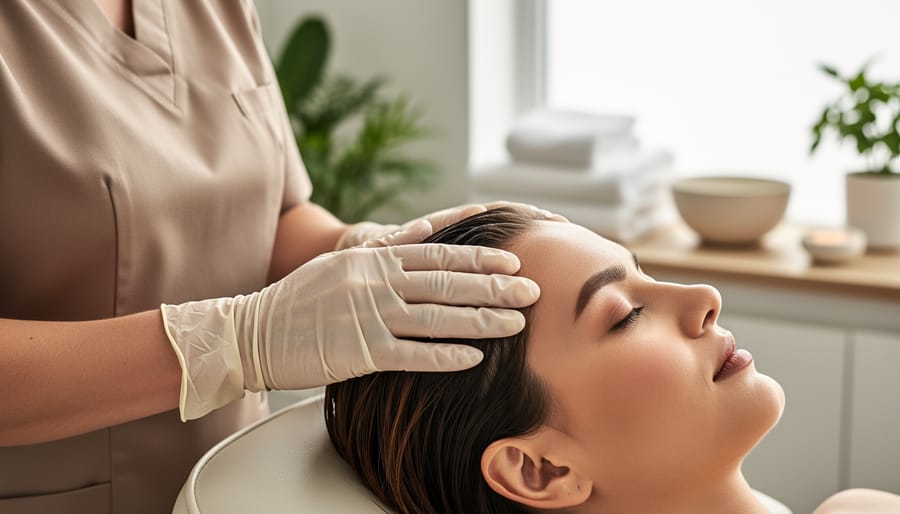
A scalp health head spa treatment is a multi-step therapeutic session that combines deep scalp cleansing, exfoliation, massage, and nourishing treatments to address specific scalp concerns like dryness, buildup, inflammation, and hair thinning. Think of it as a facial for your scalp: trained specialists use specialized products and techniques to remove impurities, boost circulation, and restore balance to the skin on your head.
Your scalp is living skin, and like the skin on your face, it needs regular care. Yet most of us wash our hair without giving much thought to the scalp underneath. Dead skin cells, product residue, excess oil, and environmental pollutants accumulate over time, clogging follicles and creating an environment where issues like itching, flaking, and even hair loss can take root. For many Albertans dealing with our dry climate and indoor heating cycles, these problems intensify during winter months.
Head spa treatments have grown rapidly across North America since 2023, moving from a niche wellness trend to a recognized part of holistic self-care. The appeal isn’t just cosmetic. These sessions directly support stress reduction and relaxation, connecting to broader wellness goals across the 8 dimensions of health. When performed consistently, they can improve scalp condition, enhance hair quality, and provide a measurable sense of mental reset.
This guide explains exactly how these treatments work, what happens during a typical session, the different approaches available, and who benefits most. Whether you’re managing a specific scalp issue or simply curious about adding preventive self-care to your routine, you’ll find practical answers here. Similar treatments like head spa auckland services demonstrate the global reach of this wellness practice.
What a Head Spa Treatment Is
A head spa treatment is a dedicated wellness service that focuses on the health of your scalp, the skin on your head, rather than just styling your hair. While a regular salon visit typically centres on cutting, colouring, or styling your hair to change its appearance, a head spa treatment addresses the underlying condition of your scalp through cleansing, massage, and targeted therapies. Think of it as skincare for your scalp, similar to getting a facial for your face.
The treatment recognizes your scalp as living skin with its own needs: it produces oil, sheds dead cells, houses thousands of hair follicles, and responds to stress, diet, and environmental factors. When your scalp is out of balance, too oily, too dry, inflamed, or congested, it affects not just how your hair looks but how it grows and how you feel. A head spa session typically lasts 45 to 90 minutes and combines manual massage techniques with specialized products designed to restore that balance.
Understanding a few key concepts helps clarify what these treatments actually address:
- Scalp microbiome
- The community of beneficial bacteria and microorganisms living on your scalp that help protect against irritation and maintain healthy skin function. An imbalanced microbiome can lead to dandruff, itching, or inflammation.
- Sebum regulation
- The process of managing oil production from your scalp’s sebaceous glands. Too much sebum makes hair greasy quickly, while too little causes dryness and flaking.
- Scalp circulation
- Blood flow to the scalp that delivers oxygen and nutrients to hair follicles. Improved circulation supports healthier hair growth and helps remove metabolic waste from scalp tissues.
- Follicle health
- The condition of the tiny structures in your scalp where each hair grows. Clogged, inflamed, or undernourished follicles can lead to thinning hair or slowed growth.
What sets head spa treatments apart is this holistic approach: they treat your scalp as an integral part of your body’s health rather than just the base where hair happens to grow. The experience combines therapeutic touch, relaxation, and targeted care that addresses specific scalp concerns while supporting overall stress reduction and self-care.
How Head Spa Treatments Work
The Scalp Massage Component
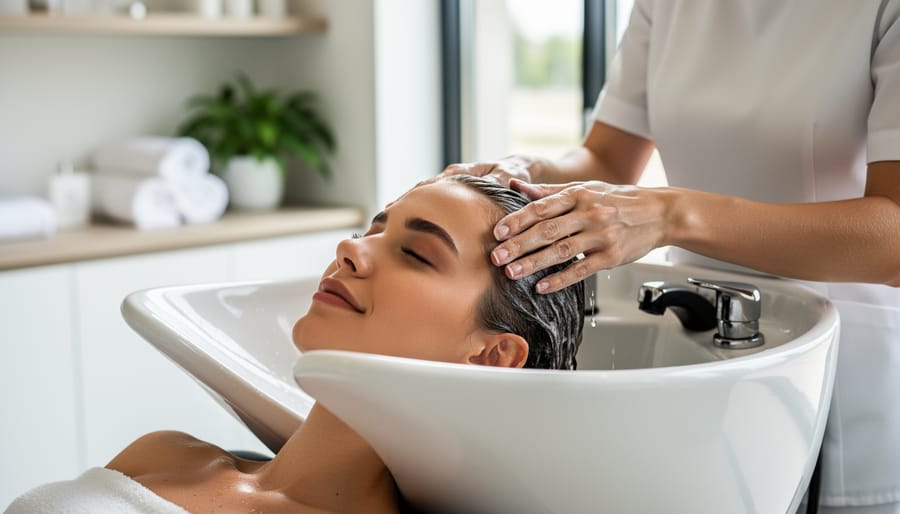
The massage component is often the most therapeutic part of a head spa treatment. Gentle, rhythmic pressure applied to the scalp stimulates blood circulation, bringing more oxygen and nutrients to hair follicles while carrying away metabolic waste. This improved circulation creates a healthier environment for hair growth and scalp cell renewal.
Beyond the physical benefits, scalp massage and stress are directly connected. The scalp holds considerable tension, especially around the temples and crown, which often mirrors stress patterns in the neck and shoulders. As a therapist works through these tight areas, many people experience a noticeable release, not just in their scalp, but throughout their body. This makes head spa massage one of the effective stress-busting techniques that support overall wellness.
The massage also activates the parasympathetic nervous system, the body’s rest-and-digest mode, which counteracts chronic stress responses. For Albertans managing busy schedules or health concerns, this dedicated time for relaxation can improve sleep quality and mood, preventive health benefits that extend well beyond scalp care alone.
Products and Treatments Used
Head spa treatments rely on targeted products designed for scalp health rather than just hair appearance. The specific formulations vary based on your scalp’s needs.
Cleansing oils break down sebum buildup and product residue without stripping natural moisture. Tea tree oil helps with dandruff and irritation, while jojoba oil mimics your scalp’s natural sebum to balance oil production.
Exfoliating treatments use gentle scrubs or chemical exfoliants to remove dead skin cells and unclog hair follicles. These work well for flaky scalp conditions or if you use a lot of styling products.
Hydrating masks and serums deliver concentrated moisture and nutrients directly to the scalp. Look for ingredients like hyaluronic acid for hydration, peptides to support follicle health, or niacinamide to calm inflammation.
Scalp tonics often contain botanical extracts, peppermint for circulation, rosemary for follicle stimulation, or chamomile for sensitive scalps.
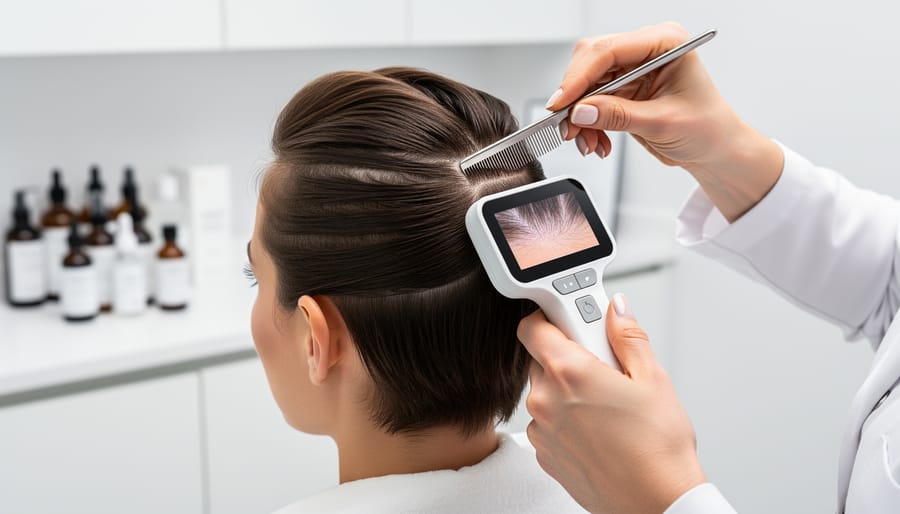
Most treatments combine several products in one session. A therapist assesses your scalp condition first, then selects appropriate formulations. Some clinics use prescription-strength treatments for persistent issues like seborrheic dermatitis, while others focus on natural, aromatherapeutic approaches. The products matter less than matching them to your specific scalp concerns.
Different Approaches to Head Spa Care
Head spa treatments come in several distinct styles, each with its own philosophy and techniques. Understanding these different approaches can help you choose the treatment that best fits your scalp concerns and personal preferences.
Traditional Japanese head spa (sometimes called “head therapy” or “scalp spa”) emphasizes deep relaxation combined with meticulous cleansing. These treatments typically involve warm water rinses, gentle scalp manipulation, and extended massage sequences designed to release tension while thoroughly cleaning the scalp. The focus is on the experience as much as the outcome, creating a meditative, stress-relieving session that leaves both your mind and scalp refreshed. If you carry stress in your head, neck, and shoulders, this approach offers substantial relief alongside scalp care.
Ayurvedic scalp treatments draw from traditional Indian wellness practices, using herbal oils and ingredients selected according to your body’s constitutional type (dosha). These treatments often incorporate warming oils like sesame or coconut infused with herbs such as brahmi or neem, applied with specific massage techniques meant to balance energy and nourish the scalp. The Ayurvedic approach views scalp health as connected to overall vitality, making it appealing if you’re drawn to holistic wellness traditions.
Modern clinical scalp therapy takes a more targeted, problem-solving approach. Practitioners analyze your scalp condition, whether it’s seborrheic dermatitis, product buildup, or follicle concerns, and apply treatments formulated to address specific issues. These sessions might include enzyme exfoliants, medicated serums, or specialized equipment like scalp brushes and steamers. If you’re dealing with persistent scalp problems rather than seeking relaxation, this clinical style offers more diagnostic precision.
Within these broader categories, you’ll also find treatments tailored to scalp type:
- Japanese head spa: focuses on relaxation, stress relief, and thorough cleansing through extended massage and warm water therapy
- Therapeutic scalp treatments: target specific conditions like dandruff, sensitivity, or buildup with problem-focused products and techniques
- Aromatherapy-based treatments: use essential oils and botanical ingredients to calm the scalp while providing sensory relaxation
- Dry scalp protocols: emphasize hydration, gentle exfoliation, and nourishing oil treatments to restore moisture balance
- Oily scalp protocols: incorporate deeper cleansing, clay treatments, and balancing ingredients to regulate sebum production
Many Alberta spas blend these approaches, customizing treatments based on your intake consultation. What matters most is that the practitioner assesses your scalp condition and explains why they’re recommending specific techniques or products for your situation.
When Head Spa Treatments Are Helpful
Head spa treatments shine when your scalp sends signals that something is off. If you deal with persistent flaking, that tight feeling across your head after a long day, or notice your scalp getting greasy within hours of washing, a professional treatment can help reset your scalp’s balance. The focused attention addresses root causes rather than just masking symptoms with products.
Dandruff and dry scalp respond well to the exfoliation and hydration steps in head spa treatments. The gentle removal of buildup allows moisturizing treatments to actually reach your skin, while the massage component helps distribute natural oils more evenly. For those with oily scalps, the deep cleansing removes excess sebum and product residue that regular shampooing might miss, often reducing how quickly your hair feels greasy again.
Scalp sensitivity deserves special attention. If your scalp feels tender, burns easily with certain products, or reacts to stress with itching or discomfort, the calming ingredients and gentle massage techniques used in head spa treatments can provide real relief. Many people discover their scalp holds tension they didn’t even realize was there until someone works through those tight spots.
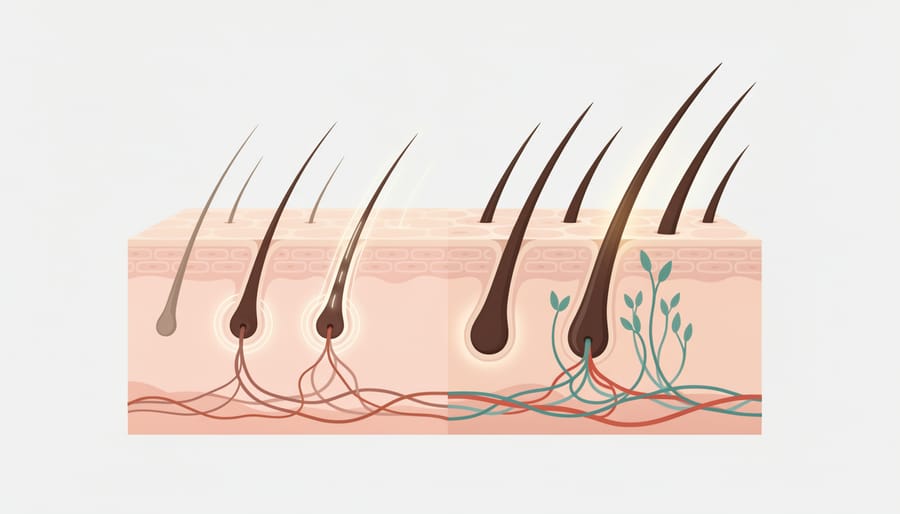
Hair thinning concerns bring many Albertans to head spa treatments. While these sessions won’t reverse genetic hair loss, improved circulation to follicles creates healthier conditions for the hair you do have. The treatments support fuller-looking hair by ensuring follicles get adequate nutrients and aren’t choked by buildup.
The stress reduction angle matters more than you might think. Your scalp reflects your stress levels through increased oil production, tension headaches, and inflammatory responses. Regular scalp care, whether professional or at home, becomes part of your broader wellness routine. Taking 30 minutes for focused self-care signals to your nervous system that it’s safe to relax, which has ripple effects beyond just your scalp health.
What to Expect and How to Prepare
Before booking your first head spa treatment in Alberta, understand that preparation begins with research. Look for providers who specialize in scalp health specifically, not just salons offering it as an add-on service, and check reviews mentioning staff knowledge about scalp conditions and treatment results. Many wellness centers, specialized hair salons, and spa facilities across Edmonton, Calgary, and other Alberta communities now offer these services, but expertise levels vary significantly.
During your consultation call or visit, communication is essential. Describe any scalp issues you’re experiencing in detail: itching, flaking, oiliness, dryness, sensitivity, or discomfort. Mention if you’ve recently colored your hair, used chemical treatments, or have any skin conditions like eczema or psoriasis. This information helps practitioners customize the treatment to your needs rather than applying a standard approach.
Questions to ask and preparation steps include:
- Should you arrive with freshly washed hair or skip washing beforehand (practices vary by provider)
- What specific products and techniques will be used for your scalp type
- How frequently should you schedule treatments for your concerns
- Which home care routines will support results between sessions
- What realistic improvements you can expect and over what timeframe
Set realistic expectations about results. Most people notice immediate relaxation and a cleaner scalp feeling after the first session, but addressing chronic scalp issues typically requires consistent treatments over weeks or months. Think of head spa care as similar to other daily wellness habits regular maintenance produces better outcomes than one-time interventions.
Between professional treatments, maintain scalp health with gentle cleansing, avoiding harsh scrubbing, and using products your practitioner recommends for your specific scalp condition. Simple at-home scalp massage for a few minutes several times weekly can extend the circulation and relaxation benefits you experience during professional sessions.
Common Questions About Head Spa Treatments
Are head spa treatments safe? Yes, when performed by trained professionals, head spa treatments are generally very safe. The products used are typically gentle and designed specifically for scalp application. However, if you have open wounds, severe scalp conditions like psoriasis or eczema, or recent chemical treatments, mention this during your consultation so the therapist can adjust the treatment or recommend waiting.
How often should treatments be scheduled? Most people benefit from monthly sessions to maintain scalp health and stress relief. If you’re addressing specific concerns like persistent dryness or buildup, you might start with treatments every two to three weeks until you see improvement, then shift to monthly maintenance. For purely relaxation and preventive care, even quarterly visits can make a difference.
Do head spa treatments work for all hair types?
Yes, treatments can be customized for straight, wavy, curly, and coily hair, as well as fine or thick textures. The key is communicating your hair type and concerns so the therapist selects appropriate products and pressure.
Can these treatments help with hair loss?
Head spa treatments improve scalp circulation and create a healthier environment for hair growth, but they won’t reverse genetic hair loss or medical conditions. They work best as supportive care alongside medical treatment if needed.
What’s the difference from a regular scalp massage?
Head spa treatments include thorough cleansing, exfoliation, targeted products for your scalp type, and specialized massage techniques, whereas a basic scalp massage during a haircut focuses mainly on relaxation without the deep-cleansing or treatment steps.
Are there any side effects?
Side effects are rare but can include temporary redness or slight sensitivity if your scalp is particularly reactive. This typically resolves within hours.
What about cost? Prices in Alberta typically range from $60 to $150 per session, depending on location, treatment length, and products used. While this is more than a standard haircut, many find the combined benefits of scalp health improvement and stress reduction worth the investment as part of their self-care routine.
Taking care of your scalp isn’t just about appearance, it’s another way to invest in your overall health and wellbeing. Just as you prioritize nutrition, movement, and regular checkups, scalp health deserves a place in your preventive care routine. Head spa treatments offer a unique combination of physical benefits and mental restoration, addressing both the biological needs of your scalp and the stress that affects your entire body.
The tension relief and mindfulness that come with scalp care can help you find inner calm in ways that complement other stress management practices. Whether you choose professional treatments or develop an at-home scalp care routine, you’re giving yourself permission to slow down and prioritize self-care.
For Albertans managing chronic health conditions or working to prevent them, every positive health habit adds up. Scalp care might seem small compared to exercise or diet, but it’s part of the bigger picture of taking consistent, compassionate action for your health. Start where you are, even simple scalp massages during your regular hair washing can make a difference.