

Transform your daily health management with biometric wearables – the intelligent devices that track your health goals with unprecedented precision. From smartwatches monitoring heart rhythms to fitness bands measuring sleep quality, these powerful tools put medical-grade health tracking right on your wrist. In Alberta’s active communities, where outdoor activities range from winter sports to summer hiking, biometric wearables offer real-time insights into how your body responds to different activities and environmental conditions. They’ve evolved beyond simple step counters into sophisticated health companions that monitor blood oxygen levels, stress patterns, and even early warning signs of potential health issues. Whether you’re managing a chronic condition or taking proactive steps toward better health, these devices provide the data-driven insights needed to make informed decisions about your wellbeing, all while seamlessly integrating into your daily routine.

How Biometric Wearables Work for Your Health
Common Health Metrics You Can Track
Today’s biometric wearables can track an impressive range of health metrics that give you a clearer picture of your overall wellness. Your heart rate is one of the most basic yet vital measurements, helping you understand your cardiovascular health during rest, exercise, and daily activities. Many devices also monitor heart rate variability, which can indicate stress levels and recovery needs.
Sleep tracking has become increasingly sophisticated, measuring not just how long you sleep but also your sleep stages, including light, deep, and REM sleep. This information can help you improve your sleep quality and maintain better sleep habits.
Activity tracking goes beyond simple step counting. Modern devices measure your daily movement, exercise intensity, calories burned, and even your standing time. Some advanced wearables can detect specific activities automatically, from walking to swimming.
Other valuable metrics include blood oxygen levels, skin temperature, and stress levels through electrodermal activity. Some devices even track respiratory rate and blood pressure. For Albertans spending time outdoors, many wearables now include environmental sensors that monitor altitude and temperature, helping you stay safe during our varied weather conditions.
The Technology Behind the Tracking
Modern biometric wearables use a fascinating combination of sensors to track your body’s signals. The most common is the optical heart rate sensor, which uses LED lights to detect blood flow patterns under your skin – much like a tiny flashlight watching your pulse. Motion sensors, including accelerometers and gyroscopes, track your movement patterns, steps, and sleep positions.
These devices also often include temperature sensors that monitor subtle changes in your skin temperature, and some advanced models feature electrodermal activity sensors that measure stress levels through small changes in your skin’s electrical conductivity. All this information comes together through secure health data monitoring systems to give you a comprehensive picture of your well-being.
The real magic happens in how these sensors work together. For example, when you’re exercising, the motion sensors detect your activity while the heart rate monitor tracks your exertion level, giving you accurate readings of your workout intensity. The data is then processed through sophisticated algorithms that translate these raw measurements into meaningful health insights you can actually use.
Real Health Benefits for Albertans
Heart Health Monitoring
Modern wearables have revolutionized how we monitor heart health, making it easier than ever for Albertans to stay on top of their cardiovascular wellness. These devices track your heart rate throughout the day, showing how it responds to exercise, stress, and rest. Many smartwatches and fitness bands can now detect irregular heart rhythms and even perform basic ECG measurements.
The continuous monitoring these devices provide can help spot potential issues before they become serious. For instance, an unusually high resting heart rate might indicate stress or the onset of illness. Some devices also measure heart rate variability (HRV), which can give insights into your overall fitness and stress levels.
For active Albertans, these tools are particularly valuable during our outdoor activities, from hiking in the Rockies to cross-country skiing. They help ensure you’re exercising within safe heart rate zones and can alert you if your heart rate becomes concerningly high or low.
Remember to share significant findings with your healthcare provider – they can help interpret the data and adjust your health plan accordingly. While these devices aren’t medical equipment, they’re excellent tools for maintaining awareness of your heart health and making informed lifestyle choices.
Diabetes Management
For people living with diabetes, biometric wearables have become game-changing tools in managing blood sugar levels. Modern devices can continuously monitor glucose levels through small sensors worn on the body, sending real-time readings directly to your smartphone or smartwatch. This instant feedback helps you make informed decisions about food, exercise, and medication timing.
Many wearables also track physical activity, sleep patterns, and stress levels – all factors that influence blood sugar control. By monitoring these elements together, you get a more complete picture of how your lifestyle affects your diabetes management.
The convenience of these devices means no more frequent finger pricks throughout the day. You’ll receive alerts when your levels are trending too high or low, allowing you to take action before a problem develops. Some devices even connect with insulin pumps to help regulate dosing more effectively.
For Albertans managing diabetes, these wearables offer peace of mind and greater control over their health, especially during our active outdoor lifestyle seasons.
Stress and Sleep Management
Modern biometric wearables have become invaluable tools for managing stress and improving sleep quality. These devices can track your heart rate variability, sleep patterns, and stress levels throughout the day, providing insights that help you make healthier lifestyle choices. By monitoring these metrics, you can identify stress triggers and develop better coping strategies.
Many Albertans are discovering how these digital mental wellness tools can guide them toward better sleep habits. Features like bedtime reminders, sleep stage analysis, and gentle vibration alarms help establish consistent sleep schedules. Some devices even offer guided breathing exercises and meditation sessions when they detect elevated stress levels.
The data collected can help you understand how daily activities, exercise, and environmental factors affect your sleep quality and stress levels. This awareness enables you to make informed decisions about your routines and create healthier habits that support both your mental and physical well-being.
Choosing the Right Wearable for You
Essential Features to Consider
When choosing a biometric wearable, focus on features that match your specific health goals. For heart health monitoring, look for devices with continuous heart rate tracking and ECG capabilities. If you’re managing diabetes or interested in metabolic health, consider devices with blood glucose monitoring integration or stress tracking features.
Sleep quality monitoring is another valuable feature, offering insights into your rest patterns and sleep stages. For fitness enthusiasts, activity tracking with step counting, workout recognition, and calorie burn estimation are essential. Some advanced models now include blood oxygen monitoring, which is particularly useful for those with respiratory concerns or who exercise at Alberta’s higher altitudes.
Battery life is crucial – longer-lasting devices mean less frequent charging and more consistent monitoring. Consider water resistance for our active lifestyle, especially if you enjoy swimming or outdoor activities in our varying weather conditions. Look for devices with clear, easy-to-read displays and user-friendly apps that make data interpretation straightforward.
Remember, the best features depend on your personal health journey. Choose a device that offers the specific monitoring tools you’ll actually use regularly.
Making It Work With Your Lifestyle
Making your biometric wearable a seamless part of your daily routine is easier than you might think. Start by wearing your device during activities you already do regularly, like walking the dog or heading to West Edmonton Mall. Set your device to charge while you’re getting ready in the morning or winding down at night, just like you do with your phone.
Many Albertans find success by linking their wearables to activities they enjoy. Whether you’re hiking in Banff or cycling along Calgary’s river pathways, your device can enhance these experiences by tracking your progress and providing valuable health insights.
Create simple reminders to check your data at specific times, like during your morning coffee or evening routine. This helps establish a consistent monitoring habit without feeling overwhelming. If you’re using your device for health management, sync check-ins with other regular activities, such as taking medications or measuring blood pressure.
Remember to customize your notification settings to avoid alert fatigue. Focus on the metrics that matter most to you, and adjust goals gradually as you build confidence with your device.
Getting Started With Your Device
First Steps and Setup
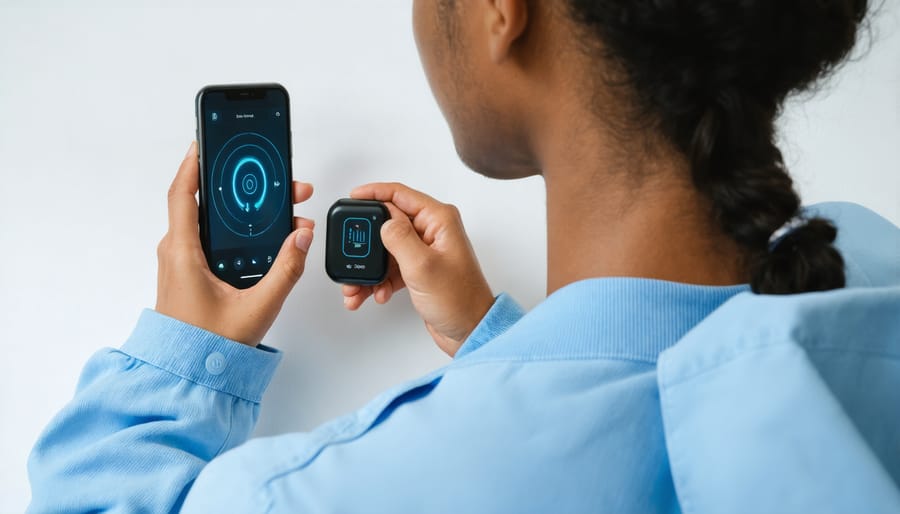
Getting started with your biometric wearable is straightforward and typically takes about 15 minutes. First, charge your device fully using the provided cable – most wearables come with a USB charger that works with standard wall adapters or computer ports.
While your device charges, download the companion app from your phone’s app store. Create an account and fill in your basic information like age, height, weight, and fitness goals. This helps personalize your health tracking experience.
Once charged, turn on your device and follow the app’s pairing instructions. Most wearables use Bluetooth to connect – make sure it’s enabled on your phone. After pairing, your device might need a software update, which can take a few minutes.
Take time to adjust the fit. Your wearable should be snug but not tight, typically worn about two fingers’ width above your wrist bone for optimal sensor contact. Many Alberta users find wearing their device slightly tighter during exercise and looser during regular daily activities works best.
Making the Most of Your Data
Getting the most value from your biometric wearable starts with understanding your data patterns. Begin by establishing your personal baseline readings over a few weeks of regular use. This helps you recognize what’s normal for you, making it easier to spot meaningful changes.
Pay attention to trends rather than individual readings. For example, if your heart rate is consistently higher during your workday, consider ways to manage workplace stress. Use your device’s companion app to set meaningful goals and alerts that match your health objectives.
Don’t forget to share relevant data with your healthcare provider during checkups. Many Alberta physicians now welcome this additional information to help make more informed decisions about your health. Consider keeping a simple journal noting any lifestyle changes alongside your biometric data – this can help you identify what works best for your well-being.
Remember that while these devices provide valuable insights, they’re tools to support your health journey, not replace medical advice.
Biometric wearables have revolutionized how we monitor and manage our health, offering unprecedented access to real-time health data and insights. By tracking vital signs, sleep patterns, and activity levels, these devices empower Albertans to take control of their well-being and make informed decisions about their lifestyle choices. Whether you’re managing a chronic condition or simply striving for better health, investing in a biometric wearable could be your first step toward a more proactive approach to wellness. Start small by choosing a device that matches your needs, and gradually incorporate its features into your daily routine. Remember, the journey to better health begins with awareness, and these innovative tools can help you stay motivated and informed along the way. Visit your local healthcare provider or tech retailer to explore the options available and find the perfect device to support your health goals.