

Understanding Alberta’s top food allergens starts with recognizing the “Big 8” – milk, eggs, fish, shellfish, tree nuts, peanuts, wheat, and soybeans. These ingredients power our province’s agricultural economy while presenting unique challenges for nearly 3 million Canadians living with food allergies. From the wheat fields of central Alberta to the dairy farms near Edmonton, these foods shape both our farming landscape and our daily meal planning. For families managing food allergies, knowing how these ingredients move from local farms to our tables is crucial for making informed choices. Whether you’re newly diagnosed or supporting someone with food allergies, understanding these common allergens helps navigate everything from grocery shopping to dining out safely in our community. Let’s explore how these eight powerful foods impact Alberta’s agriculture and learn practical strategies for living confidently with food allergies.
Alberta’s Agricultural Connection to Major Food Allergens
Local Production of Allergenic Crops
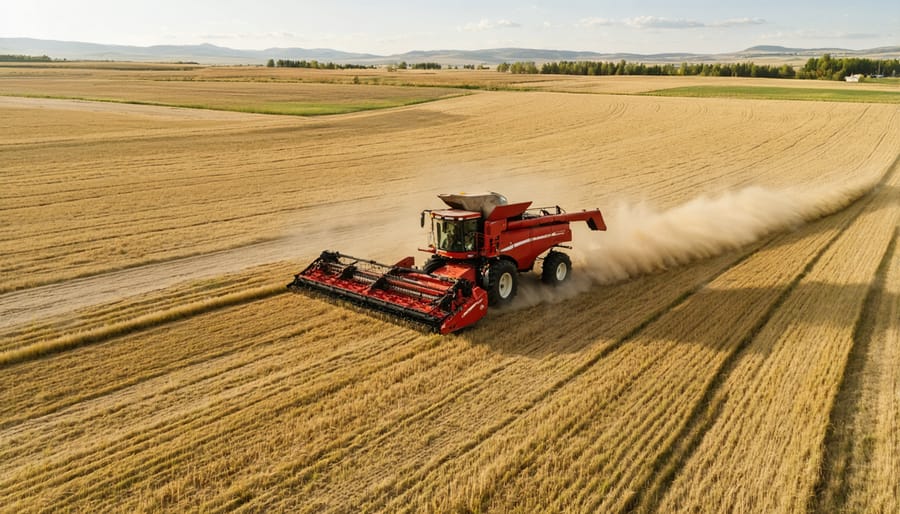
Alberta’s agricultural landscape plays a significant role in producing several major allergenic crops. Wheat dominates our prairie fields, with Alberta being one of Canada’s largest wheat producers. Our province’s farmers cultivate both spring and winter wheat varieties across millions of acres, particularly in central and southern regions.
Soybean production, while not as extensive as wheat, has been growing steadily in Alberta over the past decade. Farmers are increasingly experimenting with short-season soybean varieties that can thrive in our climate, especially in irrigated areas around Lethbridge and Medicine Hat.
Tree nuts aren’t commercially grown in Alberta due to our climate, but we do produce other allergenic crops like mustard seed, particularly in the south. Our canola fields, which belong to the same family as mustard, stretch across vast areas of the province.
For individuals with food allergies, understanding local production can help with awareness and food sourcing. Many Alberta farmers and food processors maintain strict protocols to prevent cross-contamination during harvesting, storage, and processing, ensuring safer food products for allergic consumers.

The Big 8 Allergens: From Farm to Table
Wheat and Tree Nuts
Alberta stands as one of Canada’s premier wheat-producing regions, with our golden fields stretching across millions of acres. Our farmers produce both hard red spring wheat and durum wheat, contributing significantly to both domestic food supply and international exports. While wheat allergies affect a smaller percentage of the population compared to other food allergies, they’re particularly relevant to our local food processing industry.
When it comes to tree nuts, although Alberta’s climate doesn’t support commercial nut tree cultivation, our province plays a vital role in processing and distributing various tree nuts. Local facilities handle almonds, walnuts, and pecans imported from other regions, making cross-contamination awareness crucial for both processors and consumers.
For Albertans managing these allergies, it’s important to note that many local bakeries and food manufacturers have implemented strict protocols to prevent cross-contamination. Look for clear allergen labeling on locally produced foods, and don’t hesitate to contact manufacturers directly about their handling practices. Many Alberta-based companies now offer wheat-free alternatives and carefully segregated nut-free products to serve our diverse community’s needs.
Milk and Eggs
Alberta’s dairy and poultry industries maintain some of the highest quality standards in food production, making them vital contributors to our local food supply. Our dairy farmers typically manage herds of 160-200 cows, implementing strict protocols for milk handling and processing to prevent cross-contamination. All dairy products undergo rigorous testing and pasteurization before reaching store shelves.
In the egg industry, Alberta’s poultry farmers follow the Start Clean-Stay Clean™ program, ensuring optimal conditions for laying hens and careful egg handling. Most farms house between 10,000 to 20,000 hens, producing eggs that are graded and processed in licensed facilities under strict food safety guidelines.
For those with milk or egg allergies, it’s important to note that these ingredients often appear in unexpected products. Milk proteins can be found in processed meats, baked goods, and even some canned foods, while eggs are common in pasta, mayonnaise, and many sauces. Local producers are required to clearly label these allergens, making it easier for consumers to identify safe food options.
When dining out, always inform your server about your allergies, as many restaurant dishes contain hidden dairy or egg ingredients.
Soy, Peanuts, and Fish
Alberta’s agricultural landscape includes significant production of these three important allergens. Soy cultivation has grown substantially in recent years, with farmers in central and northern Alberta increasingly adding this versatile crop to their rotation. While not as widespread as in other provinces, Alberta’s soy production helps supply local food manufacturers and livestock feed operations.
Peanuts, though not grown commercially in Alberta due to climate limitations, are widely used in local food processing and manufacturing. Many Alberta-based companies incorporate peanuts into their products, making careful allergen management crucial throughout the supply chain.
Fish allergies are particularly relevant to Alberta’s growing aquaculture industry and our thriving food service sector. While most commercial fish farming in Alberta focuses on rainbow trout, the province also processes and distributes various fish species through its food distribution networks.
For these allergens, Alberta maintains strict labeling requirements and cross-contamination prevention protocols. Local food manufacturers must clearly identify these ingredients on packaging and implement rigorous cleaning procedures between production runs. Restaurants and food service establishments throughout the province are also required to inform customers about the presence of these allergens in their dishes.
Shellfish and Crustaceans
While Alberta may be known for its beef and grain production, the province’s food processing industry also handles significant quantities of shellfish and crustaceans. These allergens pose unique challenges for local food manufacturers, particularly in facilities that process multiple types of seafood products.
Alberta’s food processors implement strict protocols to prevent cross-contamination, especially in facilities that handle both shellfish and non-shellfish products. This includes dedicated processing lines, thorough cleaning procedures, and comprehensive staff training on allergen management.
Many Edmonton and Calgary-based food processing facilities have invested in specialized equipment and separate storage areas for shellfish ingredients. This commitment to safety has helped maintain Alberta’s reputation for high-quality food production while protecting allergic consumers.
For consumers with shellfish allergies, Alberta’s labeling regulations require clear identification of these allergens on packaging. Local manufacturers must declare the presence of specific shellfish or crustacean species, whether they’re present as main ingredients or potential cross-contaminants.
Small-scale processors and specialty food producers across the province also follow these guidelines, ensuring their products meet safety standards while catering to our growing food processing sector.
Safe Agricultural Practices
Cross-Contamination Prevention
Alberta farmers implement strict protocols to prevent cross-contamination between allergenic and non-allergenic crops. From dedicated equipment and storage facilities to careful crop rotation planning, these measures help maintain the integrity of our food supply. While agricultural contamination risks exist, local producers follow guidelines that include maintaining buffer zones between different crop types and thoroughly cleaning machinery between harvests.
Farmers also work with agricultural experts to develop field mapping strategies, ensuring that allergenic crops like wheat, soybeans, and tree nuts are planted at safe distances from other crops. Special attention is paid during harvest season, with separate handling procedures and designated transport vehicles for allergenic foods. Many Alberta farms maintain detailed documentation of their prevention measures, allowing for better traceability and quality control throughout the supply chain.
These practices not only protect consumers but also help maintain the high standards of Alberta’s agricultural sector, ensuring safe food products for everyone in our community.
Quality Control Measures
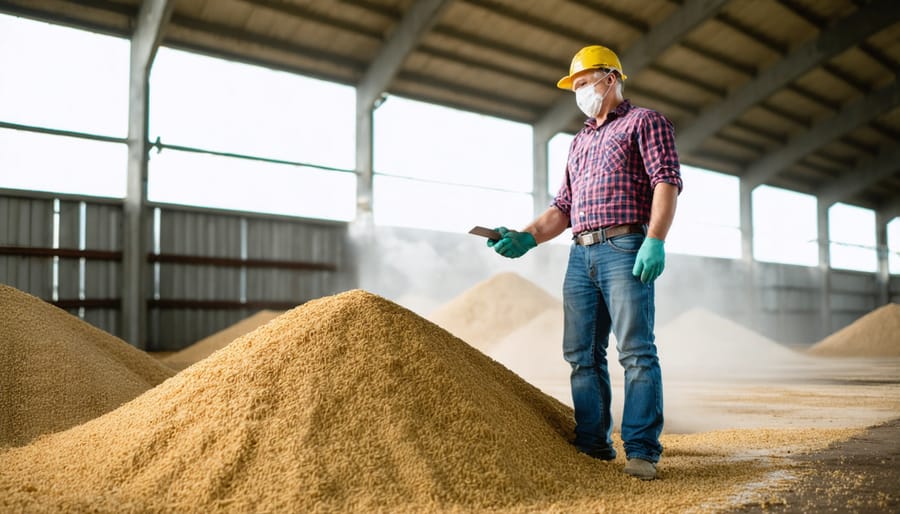
Alberta maintains strict quality control measures throughout its agricultural supply chain to protect consumers with food allergies. Local farmers and food producers must follow rigorous protocols for handling and segregating allergenic ingredients. These measures include dedicated equipment for processing allergen-containing foods, thorough cleaning procedures between production runs, and regular testing for cross-contamination.
Many Alberta farmers are adopting organic farming practices and implementing specialized storage solutions to minimize cross-contact between different crops. The Alberta Food Safety Program requires clear labeling of allergens and maintains detailed documentation of handling procedures.
Regular inspections by provincial food safety officials ensure compliance with these standards. Producers must also participate in ongoing training programs to stay current with best practices in allergen management, helping to create a safer food supply for all Albertans.
Consumer Tips for Albertans
When shopping at Alberta’s farmers’ markets and local grocers, always communicate your allergies to vendors and read product labels carefully. Many local producers now clearly label common allergens and potential cross-contamination risks. Consider joining local food allergy support groups to share experiences and discover Alberta-made alternatives to allergenic foods.
Take advantage of Alberta’s diverse agricultural offerings to create allergen-free meals. Our province’s pulse crops provide excellent alternatives to tree nuts, while local ranchers offer grass-fed meats free from common allergen-containing feeds. When dining out, research restaurants that source locally and maintain strict allergen protocols.
Stay informed about environmental health risks and food safety practices in our region. Consider growing your own herbs and vegetables to have complete control over potential cross-contamination. Many community gardens offer dedicated plots for allergy-conscious gardeners.
Keep emergency contacts handy and carry appropriate medication when trying new local products. Build relationships with trusted local producers who understand your dietary needs. Many Alberta farmers are willing to discuss their production methods and can provide detailed information about potential allergen exposure.
Remember to check seasonal changes in product ingredients, as local producers may modify recipes based on available ingredients. Support businesses that prioritize allergen awareness and maintain transparent labeling practices.
Understanding and managing the Big 8 allergenic foods is crucial for maintaining health and safety in our Alberta communities. From wheat in our prairie fields to fish from our local waters, these allergens are deeply connected to our food system. Remember to always read labels carefully, communicate your allergies when dining out, and stay informed about cross-contamination risks. Whether you’re living with food allergies or preparing meals for others, awareness is your best tool. By working together – from farmers to food processors to consumers – we can create a safer environment for everyone affected by food allergies. Keep this guide handy, stay vigilant, and don’t hesitate to reach out to local healthcare providers or support groups for additional guidance on managing food allergies effectively.