
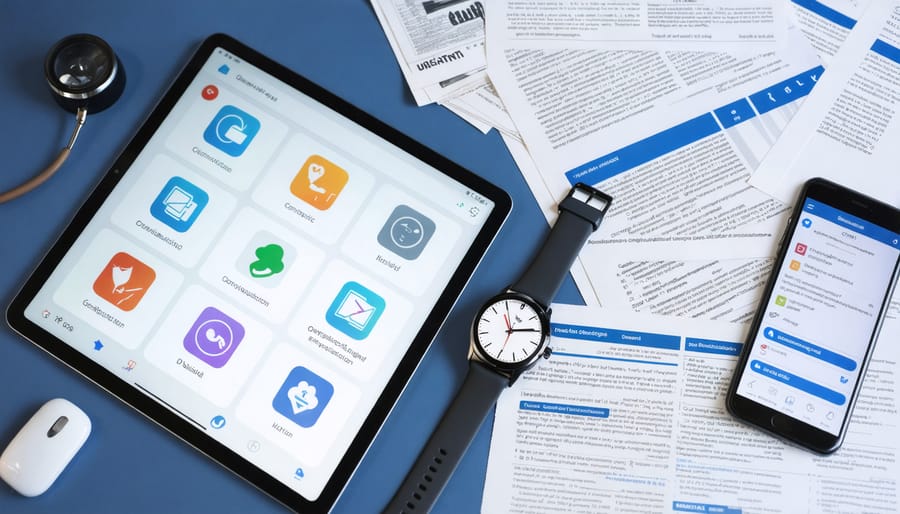
Effective health communication transforms lives, bridging the gap between medical knowledge and patient understanding. In today’s digital age, mastering these skills has become more crucial than ever – whether you’re discussing symptoms with your doctor through a video call, interpreting health data from your smartwatch, or sharing vital information with family members about a chronic condition.
Clear communication in healthcare isn’t just about exchanging information; it’s about building trust, ensuring safety, and achieving better health outcomes. Studies show that patients who experience effective health communication are 19% more likely to stick to their treatment plans and report higher satisfaction with their care.
For Albertans managing chronic conditions or taking preventive health measures, developing strong health communication skills means the difference between feeling overwhelmed and feeling empowered. These skills help you navigate the healthcare system confidently, understand your treatment options clearly, and make informed decisions about your well-being.
Let’s explore how to master these essential skills in our increasingly connected healthcare landscape.
The Digital Health Communication Landscape
Common Digital Health Tools in Alberta
Alberta offers several digital health tools that make healthcare more accessible and communication easier. MyHealth Records allows you to view lab results, immunization records, and medication history online. The Alberta Health Services (AHS) app helps you find nearby healthcare facilities and check wait times. Connect Care provides a secure messaging system between you and your healthcare team. Babylon by TELUS Health offers virtual doctor visits through your smartphone. The Health Assessment Tool helps track symptoms and provides personalized health recommendations. These platforms work together to give Albertans better control over their health information and improve communication with healthcare providers.

Why Traditional Communication Methods Fall Short
Traditional health communication often relies heavily on one-way information delivery, like pamphlets or brief doctor visits, which doesn’t account for individual needs or circumstances. These methods can leave patients feeling overwhelmed, confused, or disconnected from their healthcare journey. Many people struggle to remember verbal instructions given during appointments, and written materials might be too generic to address specific concerns.
In Alberta’s diverse communities, cultural and language barriers can further complicate these traditional approaches. The rushed nature of conventional medical appointments rarely allows time for meaningful dialogue or addressing emotional aspects of health management. Additionally, paper-based systems make it difficult to track progress or maintain consistent communication between healthcare visits, leading to gaps in care and missed opportunities for early intervention.
Modern healthcare requires more dynamic, personalized approaches that encourage active participation and ongoing dialogue between patients and healthcare providers.
Essential Digital Communication Skills for Better Health Outcomes
Clear and Concise Message Creation
Creating clear health messages starts with understanding your audience’s needs and knowledge level. When sharing trustworthy health information, focus on these key principles:
Keep it simple by using everyday language and short sentences. Instead of medical jargon, opt for plain alternatives – say “high blood pressure” rather than “hypertension.” Break down complex information into digestible chunks, using bullet points or numbered lists when appropriate.
Start with the most important information first, following the “need-to-know” before “nice-to-know” approach. Use concrete examples that relate to daily life in Alberta, like comparing portion sizes to familiar objects or explaining exercise intensity in practical terms.
Include clear action steps and make your message memorable with the “3R” technique:
– Review the main points
– Repeat key information
– Reinforce with practical examples
Always verify that your message is both accurate and actionable. Consider asking a friend or family member to review your message to ensure it’s easy to understand and follow.
Active Digital Listening
In today’s digital health landscape, active listening extends beyond face-to-face conversations. When communicating through emails, patient portals, or virtual health appointments, it’s essential to practice “digital listening” skills to ensure clear understanding and effective communication.
Start by reading messages thoroughly before responding. Take notes of key points and any specific health concerns mentioned. If you’re unsure about something, don’t hesitate to ask for clarification – it’s better to double-check than to misunderstand important health information.
When responding to digital communications, acknowledge the sender’s concerns by referencing specific points they’ve made. Use clear, concise language and organize your response in a logical order. For virtual appointments, ensure you’re in a quiet space where you can focus fully on the conversation.
Remember to:
– Confirm your understanding by summarizing key points
– Ask follow-up questions when needed
– Save important information for future reference
– Respond promptly to urgent messages
– Use appropriate digital tools for different types of communication
By practicing active digital listening, you’ll build stronger relationships with your healthcare providers and better manage your health journey.
Privacy and Security Awareness
In today’s digital age, protecting your health information is crucial. When communicating about health matters online, always use secure platforms and encrypted messaging services. Be mindful of what you share on social media, and avoid posting sensitive health details in public forums.
For video consultations, ensure you’re in a private space where others can’t overhear your conversation. Double-check email addresses before sending health-related information, and use password protection for sensitive documents.
If you’re using health apps or patient portals, enable two-factor authentication when available. Remember that Alberta’s health providers follow strict privacy guidelines, but you should also do your part by being cautious with your personal health information online.
Keep your devices’ security software updated, and never share login credentials for health-related accounts. When in doubt about the security of a communication channel, ask your healthcare provider about their recommended secure communication methods.

Practical Applications for Daily Health Management
Communicating with Healthcare Providers
When communicating with healthcare providers through digital channels, being prepared and organized can make a significant difference in the quality of care you receive. Start by keeping a digital health diary that tracks your symptoms, medications, and questions between appointments. This helps you provide clear, accurate information during virtual consultations.
Before your virtual appointment, write down your main concerns and prioritize them. Be specific about when symptoms started, their frequency, and any patterns you’ve noticed. Having this information ready helps make the most of your limited time with healthcare providers.
During video calls or messaging exchanges, speak clearly and use concrete examples. Instead of saying “I’m feeling unwell,” try “I’ve had a headache for three days, and it gets worse in the afternoon.” This precision helps your healthcare provider make better assessments.
Don’t hesitate to ask for clarification if you don’t understand something. Request that instructions be sent in writing through your patient portal or email for future reference. It’s also helpful to repeat back what you’ve understood to ensure you’re on the same page.
Remember to update your contact information and preferred communication methods in your healthcare provider’s system. Many Alberta clinics now offer secure messaging platforms – familiarize yourself with these tools before you need them urgently.
Finally, keep a record of your digital communications with healthcare providers, including dates, key points discussed, and any agreed-upon action items. This creates a helpful reference for future appointments and helps track your health journey.

Using Health Apps and Platforms Effectively
In today’s digital age, health apps and platforms have become essential tools for managing our wellbeing. To make the most of these digital resources, start by choosing apps that match your specific health goals and comfort level with technology. Look for platforms that offer clear, user-friendly interfaces and come from reputable sources, such as those recommended by Alberta Health Services.
Remember to regularly update your health information and set realistic tracking goals. Whether you’re monitoring blood pressure, tracking medication schedules, or logging exercise, consistency is key. Many apps allow you to share data with your healthcare providers – take advantage of this feature to improve your care discussions.
To protect your privacy, always review app security settings and understand what information you’re sharing. Choose apps that offer strong data protection and clear privacy policies. Consider using apps that integrate with each other to create a comprehensive health management system.
Don’t rely solely on digital tools – use them to complement, not replace, direct communication with your healthcare team. Set aside time to review your collected data before medical appointments, and prepare specific questions based on your app insights. This preparation helps make your healthcare conversations more productive and focused on your needs.
For Albertans new to digital health tools, local libraries and community centers often offer free workshops on using health technologies effectively. Take advantage of these resources to build your confidence in using digital health tools.
Overcoming Common Digital Communication Barriers
In today’s digital health landscape, effective communication often faces unique challenges, but there are practical solutions to overcome them. Start by ensuring your messages are clear and concise – break down complex health information into digestible chunks and use bullet points when sharing multiple instructions.
To address potential misunderstandings in digital messages, always confirm understanding by asking the recipient to summarize key points in their own words. When using video calls for health consultations, test your technology beforehand and have a backup plan, such as a phone number, ready in case of technical issues.
Privacy concerns can be addressed by using secure messaging platforms and avoiding sharing sensitive health information through regular email or social media. Remember to be mindful of digital etiquette – maintain eye contact during video calls and minimize background distractions.
For those with limited digital literacy, provide step-by-step instructions and offer alternative communication methods when needed. Consider creating short video tutorials or screenshots to guide others through digital health platforms, making the experience more accessible and less intimidating.
Mastering health communication skills is a journey that empowers you to take control of your wellbeing and build stronger relationships with healthcare providers. By practicing active listening, asking clear questions, and expressing your needs confidently, you’re better equipped to navigate Alberta’s healthcare system and manage your health effectively. Remember that good communication isn’t just about speaking – it’s about creating understanding, showing empathy, and working collaboratively toward better health outcomes. Start implementing these skills during your next healthcare interaction, whether it’s a virtual consultation or an in-person visit. Small improvements in how you communicate can lead to significant positive changes in your healthcare experience and overall wellness. Take the first step today by choosing one skill to practice, and build your confidence gradually. Your health journey matters, and effective communication is your key to making it successful.