

Environmental resilience definition is straightforward: it’s the ability of natural systems and built environments to absorb shocks, adapt to changing conditions, and continue supporting the health and wellbeing of the communities that depend on them. When your local river bounces back after flooding, or when urban green spaces help your neighbourhood stay cooler during heat waves, that’s environmental resilience at work.
For Albertans managing health challenges or working toward chronic disease prevention this concept hits close to home. The strength of your surrounding environment directly affects your ability to stay active, breathe clean air, access fresh food, and maintain the routines that keep you healthy. A resilient environment doesn’t just weather storms and droughts. It provides consistent opportunities for the physical activity, mental health support, and community connection that reduce your risk of diabetes, heart disease, and other chronic conditions.
Think about the last time extreme weather disrupted your daily walk, closed your local park, or made outdoor activity unsafe. Environmental resilience determines how quickly those resources return and how well they protect you during the next event. As Alberta faces more frequent wildfires, floods, and temperature extremes, understanding how resilient environments work becomes essential knowledge for protecting your long-term health.
This article breaks down what environmental resilience really means, how it functions in practice, the key components that make it effective, and the concrete ways you can both benefit from and contribute to stronger environmental resilience right here in Alberta.
What Is Environmental Resilience?
Environmental resilience is your community’s ability to adapt and bounce back when faced with environmental challenges, whether that’s a wildfire season, extreme cold snaps, flooding, or long-term changes like urban sprawl or air quality shifts. Think of it as your neighbourhood’s immune system: a resilient environment can absorb stress, maintain essential functions, and recover quickly so that the places where you live, work, and play continue to support your health and wellbeing.
For Albertans, this might look like a community where green spaces remain accessible even after a severe hailstorm, where air quality monitoring helps residents with asthma manage their outdoor activities during wildfire season, or where local food systems adapt to drought conditions without creating food deserts. These aren’t abstract ideas. They directly affect whether you can safely exercise outdoors, access fresh produce, breathe clean air, and maintain the routines that keep chronic conditions like diabetes or heart disease under control.
- Environmental Resilience
- The capacity of natural and built environments to withstand, adapt to, and recover from environmental stressors while continuing to support community health and wellbeing.
- Environmental Stressor
- Any external pressure on a community’s environment, such as extreme weather, pollution, resource scarcity, or rapid development, that can disrupt health-supporting conditions.
- Adaptive Capacity
- A community’s ability to adjust its practices, infrastructure, and systems in response to changing environmental conditions while maintaining or improving health outcomes.
- Recovery Function
- How quickly and effectively an environment can return to supporting essential health needs after a disruption, such as restoring clean water access after contamination or reopening trails after flooding.
When your environment is resilient, you face fewer barriers to the healthy choices that prevent and manage chronic disease. You have consistent access to safe places for physical activity, reliable sources of nutritious food, and protection from environmental health threats. Understanding environmental resilience helps you see how your personal health connects to the health of the spaces around you, and why strengthening both matters for long-term disease prevention.
How Environmental Resilience Works
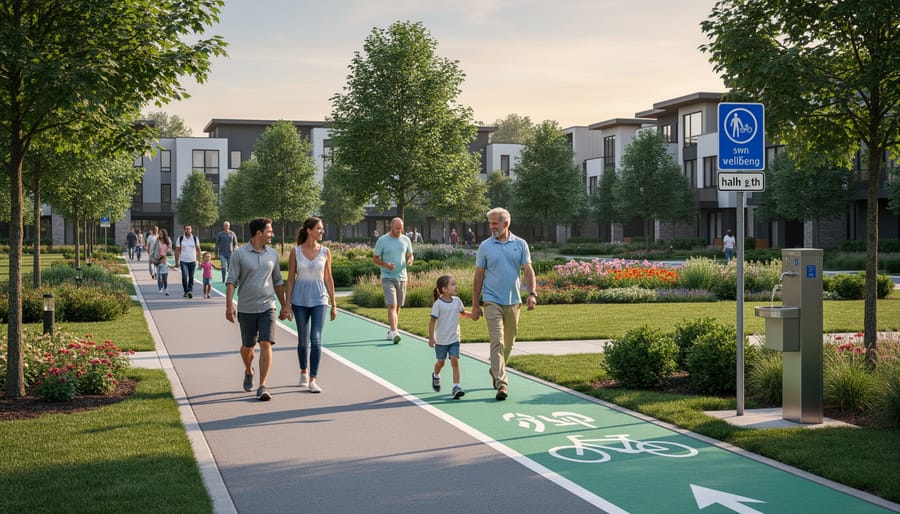
The Connection Between Environment and Chronic Disease
Your environment shapes your health in ways you might not immediately notice. In Alberta communities, the quality of the air you breathe, the walkability of your neighbourhood, and access to fresh food directly influence your risk for chronic diseases like diabetes, cardiovascular disease, and obesity.
Consider this: if you live in an area with heavy traffic pollution, you’re exposed to fine particulate matter that inflames blood vessels and raises your risk for high blood pressure and heart disease. A lack of nearby parks or safe sidewalks makes physical activity harder, increasing obesity risk. Limited access to grocery stores with fresh produce, common in some rural Alberta areas, can lead to diets high in processed foods, a known contributor to type 2 diabetes.
Temperature extremes matter too. Alberta’s harsh winters can keep people indoors and inactive for months, while summer wildfires degrade air quality and trigger respiratory issues that compound cardiovascular problems. Communities with poor infrastructure for extreme weather see higher rates of emergency room visits during heat waves and cold snaps.
The good news: when your environment supports healthy choices, clean air, safe places to walk, accessible healthy food, managing and preventing chronic disease becomes significantly easier. Environmental resilience creates the conditions where healthy living is the natural, convenient option rather than a constant struggle.
Building Blocks of a Resilient Environment
A resilient environment rests on several interconnected foundations that directly affect your daily health. Clean air and water form the baseline, when pollution levels stay low and water quality remains safe, respiratory illnesses drop and waterborne diseases stay rare. Access to green spaces matters more than you might think: parks, trails, and natural areas reduce stress, encourage physical activity, and lower cardiovascular disease risk. Greenspace access benefits health by providing places where Albertans can exercise safely and connect with nature.
Beyond these natural elements, community infrastructure plays a vital role. Safe walking paths and bike lanes make active transportation possible, reducing both pollution and sedentary behaviour. Reliable public transit connects people to healthcare appointments, grocery stores with fresh food, and community health programs. Local food systems, from farmers’ markets to community gardens, ensure access to nutritious options that support chronic disease prevention. Emergency preparedness systems, including early warning networks for extreme weather and heatwaves, protect vulnerable populations.
These building blocks work together, creating environments where healthy choices become easier and environmental health risks stay manageable.
Types and Components of Environmental Resilience
Physical Environment Resilience
The physical environment forms the foundation of your daily health. In Alberta, this means the air you breathe, the water you drink, the buildings and streets that shape your neighbourhood, and the parks and natural areas where you can move and relax.
Clean air quality directly affects your respiratory and cardiovascular health. Communities with lower pollution levels see reduced rates of asthma, heart disease, and stroke. When wildfires or industrial emissions compromise air quality, vulnerable populations, including those managing diabetes or heart conditions, face heightened health risks.
Safe drinking water prevents disease and supports every bodily function. Alberta’s water systems face pressure from agricultural runoff, industrial activity, and aging infrastructure. Communities with resilient water management protect residents from contamination and ensure reliable access.
The built environment, sidewalks, bike paths, housing quality, and neighbourhood design, shapes your ability to stay active. Well-designed communities make walking, cycling, and outdoor activity natural parts of daily life, reducing obesity and chronic disease risk.
Green spaces offer mental health benefits, encourage physical activity, and buffer against extreme heat. Access to parks, trails, and natural areas isn’t a luxury; it’s a public health asset that supports resilience for everyone.

Social Environment Resilience
Social environment resilience refers to the strength and adaptability of your community’s social connections and support systems. In Alberta communities, this includes neighborhood networks, volunteer groups, faith communities, recreation programs, and peer support organizations that help people stay healthy together.
Strong social environments reduce chronic disease risk by combating isolation, a significant risk factor for cardiovascular disease, diabetes complications, and poor mental health outcomes. When you’re connected to others who encourage healthy choices, you’re more likely to stay physically active, eat nutritious meals, manage stress effectively, and seek medical care when needed.
Community-based health resources strengthen social resilience. This includes diabetes support groups, cardiac rehabilitation programs, walking clubs, community gardens, and cooking classes. These resources don’t just provide information, they create relationships that sustain healthy behaviors over time.
During health challenges or environmental stressors like extreme weather, socially resilient communities respond collectively. Neighbors check on one another, share resources, and ensure vulnerable individuals receive support. This collective care buffer protects health when individual resources fall short, making your entire community more resistant to health threats.
Systems and Infrastructure Resilience
When your community’s systems work well, managing your health becomes easier. Systems and infrastructure resilience means the networks and services that support your daily health choices can withstand disruptions and continue serving you when you need them most.
Healthcare access forms the foundation. Resilient communities maintain multiple clinics, walk-in centres, and specialist services within reasonable distance. They also offer telehealth options when physical access isn’t possible. This redundancy ensures you’re never cut off from medical support, whether you need diabetes monitoring or cardiovascular follow-ups.
Food systems matter just as much. Communities with diverse grocery stores, farmers’ markets, and food distribution networks keep fresh, healthy options available year-round. When supply chains face challenges, these varied sources prevent nutritious food from becoming scarce or expensive.
Emergency preparedness protects health during crises. Resilient infrastructure includes backup power for critical services, clear communication systems, and established response protocols. During extreme weather or public health events, these systems keep essential services running.
Community services tie everything together. Libraries offering health programs, recreation centres providing exercise spaces, and social services connecting people to resources all strengthen the support network around you. When these systems function reliably, preventing and managing chronic disease becomes a realistic daily practice rather than an ongoing struggle.
How Environmental Resilience Is Used in Community Health
Supporting Healthy Lifestyle Choices
A resilient environment doesn’t just protect you from harm, it actively makes healthy choices easier. When your neighbourhood has safe sidewalks, well-lit paths, and accessible parks, you’re more likely to walk, cycle, or spend time outdoors. Green spaces near your home reduce stress naturally, giving you places to unwind without a gym membership or special equipment.
Access to fresh food matters just as much. Communities with farmers’ markets, grocery stores within walking distance, and community gardens help shape better eating habits than areas where convenience stores are the only nearby option. You don’t need perfect willpower when your environment supports you.
Resilient communities also provide spaces and resources that support mental wellbeing. Libraries, recreation centres, and community programs offer social connection and stress relief, both crucial for managing chronic conditions like diabetes and heart disease. Mental health education becomes more effective when your daily surroundings reinforce healthy patterns rather than working against them.
Think of it this way: willpower is finite, but a supportive environment works for you 24/7. When healthy choices become the easy choices, the default options rather than constant uphill battles, you’re far more likely to stick with them long-term.

Reducing Environmental Health Risks
Resilient environments act as shields, protecting you from environmental threats that can worsen chronic conditions or trigger new health problems. In Alberta, where wildfire smoke, extreme cold snaps, and air quality fluctuations are real concerns, this protection becomes personal and practical.
Clean air systems in resilient communities reduce your exposure to pollutants that aggravate respiratory conditions, cardiovascular disease, and diabetes. When your neighbourhood has effective air quality monitoring and clear communication during smoke events, you can adjust your outdoor activities before symptoms flare. Tree-lined streets don’t just look nice, they filter particulates and cool urban heat islands that put extra strain on hearts and lungs.
Resilient infrastructure also prepares you for climate extremes. Communities with cooling centres during heat waves prevent heat-related complications for people managing medications that affect temperature regulation. Emergency response systems that quickly restore power and water during storms protect vulnerable residents who depend on refrigerated insulin or medical equipment.
Water quality safeguards matter too. Robust testing and treatment systems keep contaminants out of your drinking water, reducing exposure to substances linked to cancer risk and metabolic disruption. When flooding threatens, resilient drainage and early warning systems minimize health hazards from contaminated water and mould.
Think of environmental resilience as preventive medicine at the community scale. The systems work quietly in the background, reducing your daily exposure to health threats you might not even notice, until they’re not there.
Taking Action: Your Role in Environmental Resilience
You have more power to shape your environment’s health than you might think. Every choice you make, from how you move through your neighbourhood to what you put in your grocery cart, either strengthens or weakens the environmental resilience that protects your wellbeing.
Start with what’s closest to home. If you’re managing diabetes or cardiovascular disease, prioritize access to green spaces. Regular walks in parks or natural areas don’t just lower blood sugar and blood pressure, they reduce stress hormones that drive inflammation. When you use these spaces regularly, you also signal to municipal planners that they matter, which helps protect them for your community.
Your food choices ripple outward. Supporting local farmers markets and community gardens strengthens Alberta’s food system resilience while giving you access to fresh produce that fights chronic disease. Even better, growing some of your own food, whether in a backyard plot or balcony containers, reduces your household’s vulnerability to supply disruptions while increasing your intake of disease-fighting vegetables.
Transportation decisions matter too. Walking or cycling for short trips instead of driving reduces air pollution that worsens respiratory and cardiovascular conditions. You’re protecting yourself while making your neighbourhood’s air cleaner for everyone. If you live in a car-dependent area, advocating for better sidewalks or bike lanes through your community association creates change.
Connect with your neighbours. Strong social networks are environmental resilience in action. The friend who brings you vegetables from their garden, the walking group that keeps you active through winter, the neighbour who checks in during heat waves, these connections buffer health risks while reducing isolation that worsens chronic disease outcomes.
Finally, speak up. Attend town halls about developments affecting green space, air quality, or community services. Contact your city councillor about health-supporting infrastructure. Your voice matters because decision-makers need to hear from residents whose health depends on these choices. Environmental resilience starts with individuals who refuse to be passive about the environments shaping their health.
Common Questions About Environmental Resilience
Environmental resilience can feel like an abstract concept until you see how it touches your daily life. Here are answers to questions many Albertans ask when learning about this connection between their environment and health.
Can improving environmental resilience really reduce my chronic disease risk?
Yes. Resilient environments provide cleaner air, safer places for physical activity, and better access to healthy food, all factors that directly lower your risk of diabetes, heart disease, and obesity. When your community supports healthy choices through its design and systems, prevention becomes easier.
What if I live in a rural area with limited resources?
Rural communities often have natural advantages for resilience, including access to open spaces and strong social networks. Focus on what you have: strengthen community connections, advocate for local health resources, and use outdoor spaces for activity. Small improvements in water quality monitoring or emergency preparedness make a difference.
How long does it take to see health benefits from environmental improvements?
Some benefits appear quickly, reduced air pollution can improve respiratory symptoms within weeks. Long-term chronic disease prevention builds over months and years as you consistently benefit from a healthier environment, better food access, and opportunities for active living.
Is environmental resilience only about climate change?
No. While climate adaptation is one aspect, environmental resilience includes everything that affects your health: air and water quality, green spaces, food systems, social connections, and access to healthcare. It’s about creating communities that support wellbeing regardless of the specific challenge.
What’s the most important action I can take right now?
Start by engaging with your community, attend local planning meetings, join neighbourhood groups, or volunteer for environmental initiatives. Your voice helps shape decisions about parks, air quality, and health resources. Personal actions like walking more and supporting local food systems also strengthen resilience.
These questions reflect genuine concerns from people working to protect their health in a changing world. Understanding environmental resilience helps you see your wellbeing as connected to the places you live, work, and play. When you know what to look for, you can better advocate for the community conditions that keep you and your family healthy for the long term.
uses
Environmental resilience serves multiple purposes in protecting and promoting community health across Alberta. It provides a framework for understanding how your surroundings influence your ability to prevent and manage chronic diseases like diabetes, heart disease, and obesity.
Public health officials use environmental resilience assessments to identify gaps in community infrastructure that affect health outcomes, from inadequate sidewalks that discourage walking to food deserts that limit access to fresh produce. This information guides targeted interventions and resource allocation.
Urban planners apply environmental resilience principles when designing neighborhoods that naturally support healthy living. This means creating walkable communities, protecting green spaces, and ensuring clean air and water access for all residents.
Healthcare providers incorporate environmental factors into patient care plans, recognizing that treatment success often depends on having a supportive environment. A patient managing diabetes needs access to safe places for physical activity and affordable healthy food, not just medication.
Community organizations use environmental resilience concepts to advocate for policy changes and mobilize residents around shared health goals. When communities understand their environmental strengths and vulnerabilities, they can work together to create conditions where healthy choices become the easiest choices for everyone.
Understanding environmental resilience isn’t just about protecting the planet, it’s about protecting your health and the wellbeing of everyone in your community. When you strengthen the environment around you, you’re creating conditions that make healthy living easier and chronic disease prevention more achievable.
The quality of your air, water, and green spaces directly affects your risk for diabetes, heart disease, and other chronic conditions. By recognizing this connection, you can make choices that benefit both environmental and personal health. Whether you’re managing a chronic condition now or working to prevent one, the resilience of your local environment plays a supporting role in your success.
Start where you are. Small actions, advocating for cleaner air, supporting local green spaces, connecting with community health resources, add up to meaningful change. You don’t need to tackle everything at once. Each step you take to support environmental resilience is an investment in your own health and your community’s future. Your choices matter, and the healthier environment you help create will support you and your neighbours for years to come.