

Living with chronic pain means navigating a daily reality that’s often invisible to others, and memes about the experience have become a vital form of validation and community for those who understand it firsthand. These shareable images capture everything from the frustration of explaining your condition to yet another well-meaning friend who suggests yoga, to the dark humor of rating your pain on a scale where “fine” actually means a 6 out of 10. For Albertans managing ongoing pain conditions, these memes do more than make you laugh. They put words and images to experiences that can feel isolating, offering proof that you’re not alone in the struggle.
The best chronic pain memes resonate because they’re brutally honest about what others rarely see: the energy it takes to appear “normal,” the weather sensitivity that turns you into an unwitting meteorologist, and the exhaustion of managing a condition that doesn’t take weekends off. They also reflect the creative coping strategies people develop, from elaborate explanations for canceling plans to the complicated relationship with “good days” that still involve pain. While humor helps, these memes often serve as a gateway to deeper conversations about support, treatment options, and the practical tools that make daily life more manageable. Understanding why certain themes strike such a chord can help both those living with chronic pain and their support networks better grasp what the journey actually looks like.
Why Chronic Pain Memes Resonate So Deeply
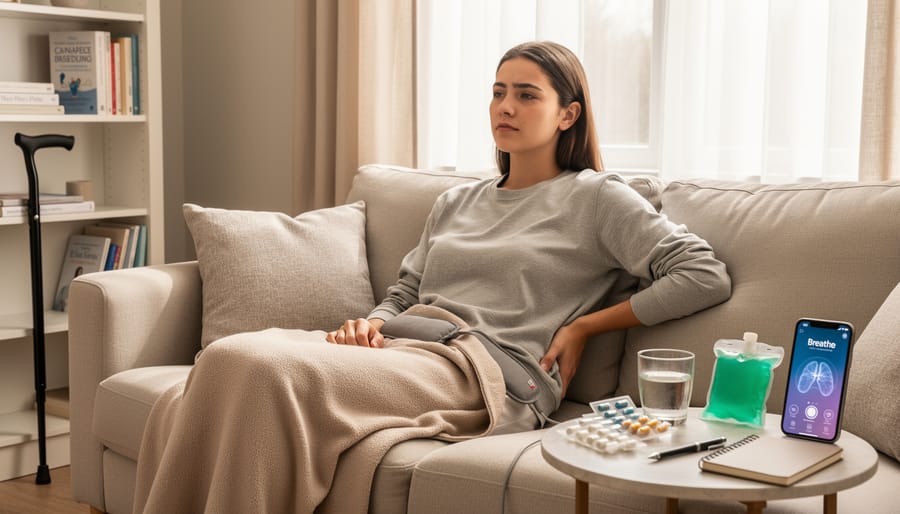
When you’re living with pain that others can’t see, validation becomes precious. Chronic pain memes provide that validation in an instantly recognizable format, creating moments of “yes, exactly this” that break through the isolation many people with persistent pain experience daily.
The appeal runs deeper than simple entertainment. These memes serve as a communication shortcut, capturing complex experiences in a single image or phrase that would otherwise take paragraphs to explain. When someone shares a meme about the struggle of explaining pain levels to a doctor, they’re not just making a joke. They’re expressing frustration, seeking recognition, and testing whether others share that experience.
Humor itself becomes a coping mechanism. Research on stress and resilience shows that finding moments of levity during difficult circumstances can reduce anxiety and improve mood, though it doesn’t replace proper pain management. For Albertans managing chronic conditions, a well-timed meme can offer brief relief from the mental weight of constant pain.
The community aspect matters enormously. Scrolling through chronic pain memes reveals you’re not alone in canceling plans last-minute, dealing with unsolicited advice, or struggling to sleep because pain won’t cooperate. This shared recognition builds connection even when geographic isolation or limited mobility makes in-person support difficult.
Meme culture also lowers barriers to conversation. Sharing a relatable image feels less vulnerable than posting about your struggles directly, yet it signals to others that you understand their reality. For people who feel their experiences are dismissed or minimized, this validation through shared humor can be genuinely therapeutic.
Relatable Chronic Pain Memes and What They Tell Us
“But You Don’t Look Sick”
The “But You Don’t Look Sick” meme captures one of the most isolating aspects of chronic pain: having your experience dismissed because there’s no visible evidence. These memes often show the contrast between external appearance and internal reality, highlighting how chronic pain sufferers regularly face skepticism from friends, family, coworkers, and even healthcare providers. When someone tells you “you look fine” while you’re struggling through severe pain, it can feel like being gasked. This invalidation compounds the burden of chronic pain itself, creating emotional exhaustion on top of physical suffering. The memes resonate because they transform this frustrating experience into shared recognition among people who truly understand what it means to fight an invisible battle every day.
The Pain Scale Struggle
Anyone with chronic pain knows that standard pain scales become almost meaningless over time. Memes capture this perfectly, showing someone rating a 7 out of 10 while performing everyday tasks most people wouldn’t attempt at a 3. The joke resonates because chronic pain sufferers develop a completely different baseline than acute pain experiences.
Healthcare appointments highlight this disconnect. When you live with pain daily, what you call a 5 might send someone else to the emergency room. Memes show patients explaining they’re “fine” at pain levels that would concern most people, or healthcare providers looking confused when someone rates their pain as 8 while appearing calm and functional.
The struggle extends to finding words for pain that shifts and changes. Is it burning, stabbing, aching, throbbing, or all of the above at different times? Memes humorously show the mental gymnastics of trying to communicate something so subjective and variable, especially when you know your doctor has three minutes for the appointment.
Planning Around Pain Days
Planning around pain days requires a level of strategic thinking that healthy people rarely consider. The memes capturing this reality show people mentally calculating whether they have enough energy to attend a social event, knowing that saying yes today might mean three days of recovery afterward. They depict the awkward texts canceling plans at the last minute because a flare-up hit unexpectedly, and the guilt that comes with being unreliable despite your best intentions. These images resonate because they capture the invisible calculus happening constantly in the background: weighing every activity against your limited reserves, building buffer time into your schedule, and the frustration of never knowing if tomorrow will be a functional day or one spent managing pain.
“Have You Tried Yoga?”
This meme category channels the collective eye-roll of anyone who’s fielded well-meaning but clueless suggestions from people who’ve never lived with persistent pain. The classic “Have you tried yoga?” becomes shorthand for all the unsolicited advice that reduces complex medical conditions to simple fixes. These memes capture the exhaustion of explaining, yet again, that chronic pain isn’t just tight muscles or stress, and that your neighbor’s remedy won’t cure a condition your medical team has been managing for years.
The humor here serves as a pressure valve for the very real frustration of having your experience minimized. When someone suggests turmeric will fix your fibromyalgia or that you just need to think more positively, they’re unknowingly dismissing the complexity of what you manage daily. These memes let chronic pain sufferers share that frustration with others who get it, without having to educate every acquaintance about the difference between temporary soreness and a chronic condition. They’re funny because they’re painfully familiar to anyone who’s heard “my aunt cured her arthritis with this tea” one too many times.
Sleep and Pain Cycles
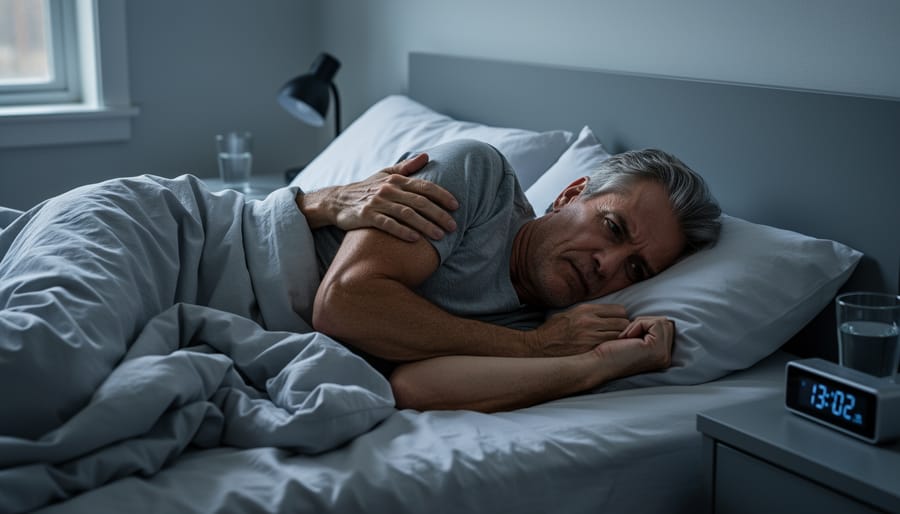
The chronic pain community shares countless memes about lying awake at 3 a.m., body screaming, knowing tomorrow will be worse because they’re not sleeping. This resonates because anyone with chronic pain knows this cruel cycle intimately. Pain makes quality sleep nearly impossible, and poor sleep can worsen pain sensitivity the next day. Memes capture the dark humor of this trap: images of exhausted people with captions like “My pain: You need sleep to feel better. Also my pain: Let me keep you awake all night.” For Albertans managing conditions that interfere with rest, these memes validate a frustrating reality that people without chronic pain rarely understand.
Weather and Pain Connections
Alberta’s dramatic weather swings, from chinooks raising temperatures overnight to sudden cold snaps, provide endless material for chronic pain memes. Many people report their bodies acting as reliable weather forecasters, with joints and muscles announcing incoming pressure changes before any app does. Memes capture this with jokes about becoming “human barometers” or needing to check their knees instead of the forecast. While the humidity and pain correlation remains complex and individual experiences vary, the shared phenomenon creates community among Albertans who understand that “feels like -40” has entirely different meanings when you live with chronic pain.
Medical Appointment Realities
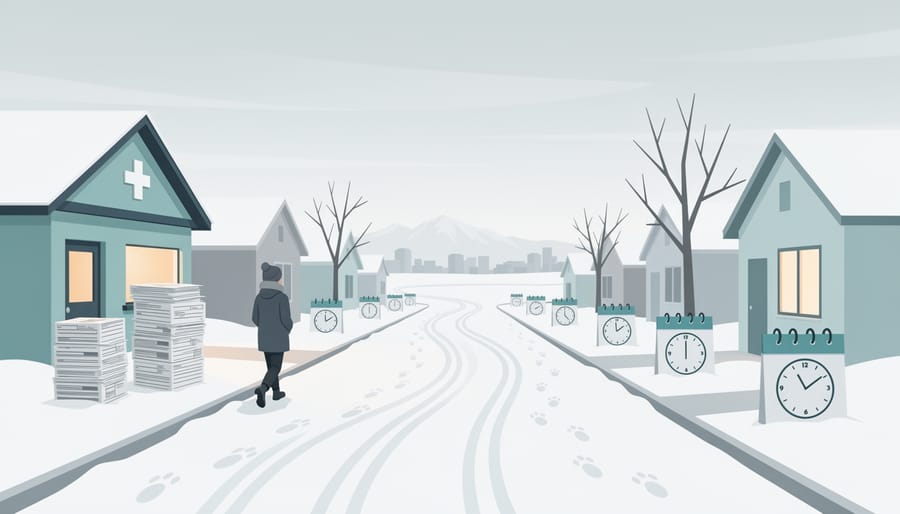
Medical appointment memes capture the peculiar exhaustion that comes with being your own historian, advocate, and interpreter while dealing with pain. The recurring joke about explaining your entire medical history to yet another specialist resonates because it’s reality, every new provider means recounting years of symptoms, failed treatments, and diagnostic journeys while already feeling terrible. Memes show people literally bringing binders of records or joking about copy-pasting their symptom description, highlighting how chronic pain patients become experts at condensing complex experiences into appointment-sized chunks. The humor around waiting room energy depletion speaks to a truth many Albertans with chronic conditions know: getting to the appointment can use up the day’s reserves before you even see the provider. These memes validate the invisible work of navigating healthcare systems when every interaction requires concentration and stamina you may not have.
Brain Fog and Cognitive Effects
Chronic pain doesn’t just hurt your body, it clouds your mind. Memes about brain fog capture the frustration of losing words mid-sentence, forgetting why you walked into a room, or reading the same paragraph three times without absorbing it. These cognitive effects happen because persistent pain monopolizes your brain’s processing power, leaving less capacity for memory, focus, and decision-making.
People living with chronic pain joke about needing sticky notes for everything or blanking on familiar names, but the reality isn’t funny. This mental fatigue makes work harder, strains relationships, and adds another invisible burden to daily life. Brain fog memes validate that these struggles are real symptoms, not personal failings, helping Albertans with chronic conditions recognize they’re not alone in feeling mentally scattered alongside physically exhausted.
Good Days vs. Bad Days
Chronic pain memes often show the dramatic swing between days when you can almost forget you’re in pain and days when getting out of bed feels impossible. One popular format shows split-screen comparisons: “Me on good days” versus “Me on bad days,” capturing how the same person can seem completely different depending on their pain level. These memes resonate because they illustrate what’s so hard to explain to employers, family, and friends, you genuinely can’t predict which version will show up tomorrow.
The humor comes with a bitter edge. Albertans living with chronic pain know the frustration of being active one day only to be questioned why they “suddenly can’t” the next. Memes about this variability help communicate what words often can’t: chronic pain isn’t linear, improvement isn’t permanent, and good days don’t mean you’re cured. They validate the exhausting reality of living with unpredictable symptoms.
The Spoon Theory in Action
The spoon theory, developed by Christine Miserandis to explain chronic illness, has become fertile ground for chronic pain memes. The concept assigns limited “spoons” as units of energy, with each daily task costing spoons that can’t be replenished easily. Memes show someone needing three spoons just to shower, or discovering they’ve already spent their daily allotment by noon.
These visuals capture the invisible math people with chronic pain perform constantly: Can I grocery shop and cook dinner, or must I choose one? Humorous takes show elaborate charts weighing whether social plans are “worth” tomorrow’s pain increase, or characters hoarding their remaining spoons like precious resources. The memes validate the exhausting reality of rationing energy for basic tasks that others complete without thought, making this invisible burden visible through relatable humor.
Finding Community Through Shared Humor
Sharing a meme that perfectly captures your 3 a.m. pain-insomnia spiral creates instant connection with others who’ve lived it. Online chronic pain communities built around humor offer something traditional support groups can’t always provide: understanding without explanation. You don’t need to justify why you’re canceling plans again or describe what “invisible illness” means, everyone already knows.
These digital spaces reduce the profound isolation many Albertans with chronic conditions face, particularly those in rural areas without local support networks. A meme about recalibrating the pain scale or struggling with sleep with chronic pain validates experiences that friends and family might not grasp. The humor isn’t about minimizing suffering; it’s about reclaiming agency through shared laughter.
Beyond validation, these communities share practical coping strategies, from pacing techniques to navigating Alberta’s healthcare system. Someone might post a meme about medical appointments, sparking a thread about effective pain management approaches or how mindfulness with chronic illness helps between flare-ups. The combination of humor and genuine support creates resilience that isolated management rarely achieves.
Beyond Memes: Practical Support for Living With Chronic Pain
While memes offer validation and connection, living well with chronic pain requires comprehensive support and practical strategies. Here’s how Albertans can build a stronger foundation for managing persistent pain.
Seek interdisciplinary care whenever possible. The most effective pain management combines multiple approaches rather than relying on a single treatment. Patient-centered chronic care brings together physicians, physiotherapists, occupational therapists, psychologists, and other specialists who collaborate on your treatment plan. Programs like Holland Bloorview’s Get Up and Go program, Canada’s first inpatient interdisciplinary pediatric pain service, demonstrate how youth aged 12 to 18 benefit from working with coordinated teams over four weeks. Alberta offers similar interdisciplinary approaches through chronic pain clinics across the province.
Communicate effectively with your healthcare team. Keep a pain diary tracking your symptoms, activities, and patterns to provide concrete information during appointments. Be specific about how pain affects your daily function rather than just describing intensity. Ask questions about treatment options and express concerns about medications or therapies that aren’t working.
Practice pacing to manage your energy. Break tasks into smaller chunks, alternate between activities and rest, and plan ahead for higher-demand days. This prevents the boom-bust cycle where you overdo it on good days and pay for it later.
Connect with local resources. Alberta Health Services offers chronic pain management programs, self-management courses, and referrals to specialists. Community organizations provide peer support groups where you can meet others who truly understand.
Remember that managing chronic pain is a marathon, not a sprint. Small, consistent changes in how you approach daily life often prove more sustainable than dramatic overhauls.
Chronic pain memes offer something powerful: they validate your experience, remind you that you’re not alone, and provide a moment of levity in what can feel like an endless struggle. But while humor helps, it’s just one piece of what you need. Effective chronic pain management requires comprehensive medical care, health literacy to navigate your options, and a support network that truly understands what you’re facing.
How can I find chronic pain support in Alberta?
Start by speaking with your family doctor about referrals to pain specialists or interdisciplinary clinics. Many Alberta communities also have chronic disease management programs and peer support groups that can connect you with others who understand.
What should I tell my doctor about my chronic pain?
Be specific about how pain affects your daily activities, what makes it better or worse, and any patterns you’ve noticed. Keep a simple pain journal to track these details between appointments.
Is it normal to use humor to cope with chronic pain?
Yes, humor is a healthy coping mechanism that many people with chronic conditions use. It doesn’t minimize your experience; it’s one valid way to process difficult emotions and connect with others.
Living with chronic pain is genuinely hard, but it doesn’t have to mean living without hope or connection. Seek proper care, build your support network, learn pacing strategies that work for you, and yes, share the memes that make you feel seen. You deserve comprehensive support, understanding healthcare providers, and a community that gets it.