

Transform physical education into an inclusive experience by adapting activities for all ability levels, creating supportive peer partnerships, and implementing flexible assessment methods. Modern community health strategies show that inclusive PE programs boost participation rates by 40% while improving both physical and social outcomes for students. Equipment modifications, varied skill progressions, and personalized goals ensure every participant experiences success, regardless of their starting point. In Alberta schools implementing inclusive PE programs, students report higher confidence levels and stronger social connections, creating a ripple effect that extends beyond the gymnasium into daily life. This practical approach to physical education doesn’t just accommodate differences—it celebrates them, turning traditional barriers into opportunities for innovation and growth.
Understanding Inclusive Physical Education
Core Principles of Inclusive Physical Activity
To create truly inclusive physical activities, several core principles must work together. First, activities should be adaptable to different ability levels, ensuring everyone can participate meaningfully. This means offering multiple ways to perform exercises and allowing participants to progress at their own pace.
Clear communication is essential, using both verbal and visual instructions to accommodate different learning styles. Creating a supportive environment where participants feel safe to try new things and make mistakes is equally important.
Another key principle is providing appropriate equipment modifications when needed. This might mean using lighter weights, softer balls, or adjustable resistance bands. The focus should be on enabling participation rather than highlighting limitations.
Individual choice plays a vital role too. Participants should have options in how they engage with activities, allowing them to challenge themselves comfortably. This approach builds confidence and encourages long-term participation.
Remember to celebrate diverse achievements and recognize that success looks different for everyone. This mindset helps create an inclusive atmosphere where all participants feel valued and motivated to stay active.
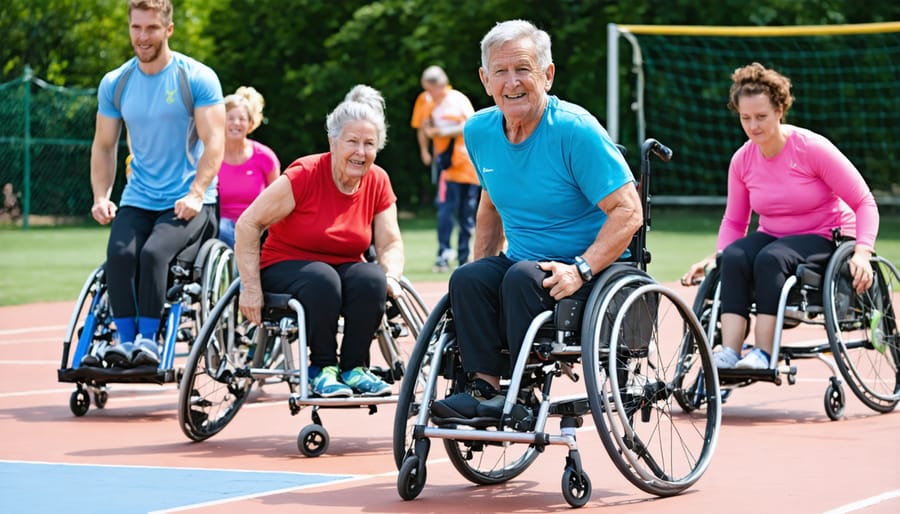
Breaking Down Common Barriers
Creating an inclusive physical education environment requires addressing several common barriers that often prevent full participation. First, physical accessibility issues can be overcome by modifying equipment and spaces to accommodate different mobility needs. This might include installing ramps, widening doorways, or using adaptive equipment.
Financial barriers often limit participation, but many Alberta communities offer subsidized programs and equipment lending services. Check with your local recreation center about fee assistance programs or shared equipment options.
Communication barriers can be addressed by using clear, simple instructions and multiple teaching methods. Visual demonstrations, written instructions, and hands-on guidance help ensure everyone understands and feels comfortable participating.
Social and attitudinal barriers often present the biggest challenge. Creating a supportive environment where everyone feels welcome starts with education and awareness. Encourage peer support, celebrate diverse abilities, and focus on individual progress rather than comparison.
Time constraints can be managed by offering flexible scheduling options and varying activity lengths. Consider breaking longer sessions into shorter, manageable segments that accommodate different energy levels and schedules.
By actively addressing these barriers, we can create more welcoming and accessible physical education environments for everyone in our community.
Practical Strategies for Inclusive Activities
Adapting Activities for Different Abilities
Adapting physical activities is essential for creating an inclusive environment where everyone can participate and succeed. Start by offering multiple difficulty levels for each exercise. For example, during a balance activity, some participants might stand on one foot while others use a chair for support.
Consider equipment modifications to accommodate different abilities. Use lighter or softer balls, adjust target sizes, or vary distances between players. For those with mobility challenges, incorporate seated versions of traditional standing exercises or create zones where participants can move at their own pace.
Focus on skill progression rather than competition. Break down complex movements into smaller, manageable steps. Someone learning basketball might start with ball handling exercises before moving to shooting drills. Allow participants to choose their challenge level and celebrate individual improvements.
Remember to regularly check in with participants about their comfort levels and make adjustments as needed. This flexible approach ensures everyone can engage meaningfully in physical activities while feeling supported and included.

Creating Supportive Environments
Creating a supportive environment for inclusive physical education starts with thoughtful space organization and equipment selection. Ensure your activity area has clear pathways and proper lighting for safe navigation. Consider using contrasting colors for equipment and floor markings to help those with visual impairments.
Equipment should be varied and adaptable – include lightweight options, modified handles, and different sizes of the same items. Storage should be accessible, with equipment placed at various heights and clearly labeled.
Sound management is crucial – minimize background noise and consider using visual cues alongside verbal instructions. Some participants may benefit from quiet zones where they can take breaks when feeling overwhelmed.
Temperature control and proper ventilation help everyone stay comfortable during activities. Install adjustable equipment that accommodates different heights and mobility levels. Consider adding handrails or support bars around the activity space.
Remember to gather feedback from participants about the environment and make adjustments accordingly. Small changes like adding non-slip mats or rearranging equipment can make a big difference in creating a space where everyone feels welcome and capable of participating fully.

Success Stories from Alberta Communities
Across Alberta, communities are making remarkable strides in creating inclusive physical education programs that benefit everyone. In Edmonton, the Victoria School of the Arts has pioneered a buddy system where students of different abilities work together during PE classes, resulting in improved participation rates and increased social connections among all students.
The Town of Okotoks has transformed its community recreation center by introducing adaptive equipment and modified sports programs. Their “Everyone Plays” initiative has seen a 40% increase in participation from individuals with diverse abilities over the past two years. The program includes wheelchair basketball, seated volleyball, and modified swimming lessons that accommodate various mobility levels.
Red Deer’s Lindsay Thurber Comprehensive High School showcases another success story with their innovative “Movement for All” curriculum. They’ve incorporated sensory-friendly spaces and equipment, allowing students with sensory sensitivities to participate comfortably in physical activities. The school reports that student engagement in PE classes has increased by 35% since implementing these changes.
In Lethbridge, the Helen Schuler Nature Centre has developed an inclusive outdoor education program that makes nature exploration accessible to everyone. Their adaptive hiking trails and modified outdoor activities have helped hundreds of community members connect with nature, regardless of their physical abilities.
The YMCA in Calgary has also made significant progress with their “Inclusive Movement” program, offering specialized training to instructors and adapting traditional sports equipment to ensure everyone can participate. Their approach has become a model for other facilities across the province, demonstrating how small changes can make a big difference in creating truly inclusive physical education environments.
Getting Started in Your Community
Starting an inclusive physical education program in your community begins with building partnerships. Connect with local schools, recreation centers, and disability advocacy groups to create a strong foundation. These partnerships are essential for building active communities that welcome everyone.
Begin by conducting a community needs assessment. Talk to families, educators, and individuals with diverse abilities to understand specific requirements and barriers. This information will help you design programs that truly serve your community’s needs.
Next, focus on acquiring appropriate equipment and adapting existing facilities. Simple modifications like adding ramps, widening doorways, or installing grab bars can make a significant difference. Many Alberta communities have funding programs available for these improvements.
Train your staff and volunteers in inclusive practices. This includes understanding different abilities, learning communication strategies, and knowing how to modify activities. Local organizations often offer workshops and certification programs in adaptive physical education.
Create a welcoming environment by implementing clear signage, establishing buddy systems, and developing flexible programming options. Consider offering programs at various times and intensity levels to accommodate different schedules and abilities.
Start small with pilot programs and gather feedback regularly. This approach allows you to refine your offerings based on real experiences and community input. Remember that success comes from continuous improvement and maintaining open communication with all participants.
Creating inclusive physical education programs is essential for building healthier, more connected communities across Alberta. By implementing accessible activities, providing proper equipment, and training staff in inclusive practices, we can ensure everyone has the opportunity to participate and thrive. Remember that small changes can make a big difference – whether it’s modifying activities, creating supportive environments, or fostering a culture of acceptance. Take action today by advocating for inclusive programs in your local community center, school, or recreation facility. Together, we can build a more active, inclusive Alberta where physical education truly serves everyone, regardless of their abilities or background. Start by reaching out to your local recreation department or school board to learn how you can contribute to this important initiative.