
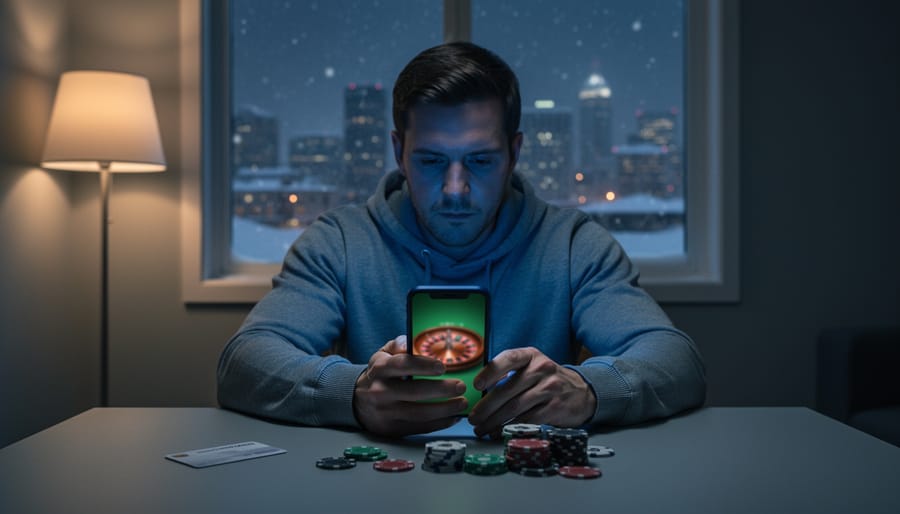
Recognize the warning signs early: if you’re spending more time than intended on a Bitcoin casino or other gambling platforms, hiding your activity from loved ones, or feeling anxious when you’re not gambling, your mental health may already be affected. Online gambling’s 24/7 accessibility makes it particularly risky for Albertans, as the convenience of betting from home removes natural barriers that once limited excessive gambling behavior.
Set firm boundaries before problems escalate. Establish deposit limits through your bank, use website blocking software during vulnerable times like late evenings, and track every dollar you spend gambling for one month to understand your true patterns. These practical steps create accountability when willpower alone isn’t enough.
Understand that gambling addiction activates the same brain pathways as substance dependencies, releasing dopamine that creates powerful cravings and withdrawal symptoms. This isn’t a character flaw—it’s a recognized mental health condition that affects thousands of Albertans across all income levels and backgrounds. The shame that often accompanies gambling problems keeps people isolated, but reaching out for support is a sign of strength, not weakness.
Connect with Alberta-specific resources immediately if gambling is affecting your sleep, relationships, work performance, or financial stability. The Alberta Health Services Addiction Helpline provides confidential support, while community programs offer counseling tailored to gambling-related mental health challenges. Taking action today prevents the escalating consequences that make recovery more difficult tomorrow.
How Online Gambling Changed in Alberta
The landscape of gambling in Alberta has transformed dramatically over the past decade. Where residents once needed to visit physical casinos or betting locations, gambling is now available anytime, anywhere through smartphones and computers.
This shift became especially pronounced during the COVID-19 pandemic. With casinos temporarily closed and people spending more time at home, online gambling platforms saw unprecedented growth. Many Albertans who had never gambled online before downloaded their first betting app during lockdowns, and this trend hasn’t reversed as restrictions lifted.
Today’s online gambling options are designed for convenience. Mobile apps let you place bets while watching sports at home, play poker during your lunch break, or spin slot machines while waiting in line. This 24/7 accessibility removes the natural barriers that once limited gambling behavior, like travel time to a casino or operating hours.
Recent statistics paint a revealing picture of online gambling’s presence in Alberta. Research indicates that approximately one in four Alberta adults have participated in some form of online gambling within the past year. Among younger adults aged 25-44, this number climbs even higher, with nearly one in three reporting online gambling activity.
The ease of access extends beyond traditional casino games. Albertans can now bet on sports through official apps, participate in online poker tournaments, purchase lottery tickets digitally, and engage with countless slot-style games. Payment methods are seamless, with instant deposits and withdrawals happening through credit cards, e-transfers, and digital wallets.
What makes this shift particularly significant for mental health is the private nature of online gambling. Unlike visiting a casino where others might notice concerning behavior, online gambling happens in isolation. There’s no closing time signaling it’s time to stop, no physical distance creating a cooling-off period, and often no one around to express concern about the amount of time or money being spent.
Understanding this new gambling landscape is the first step in recognizing how these changes might affect you or someone you care about.
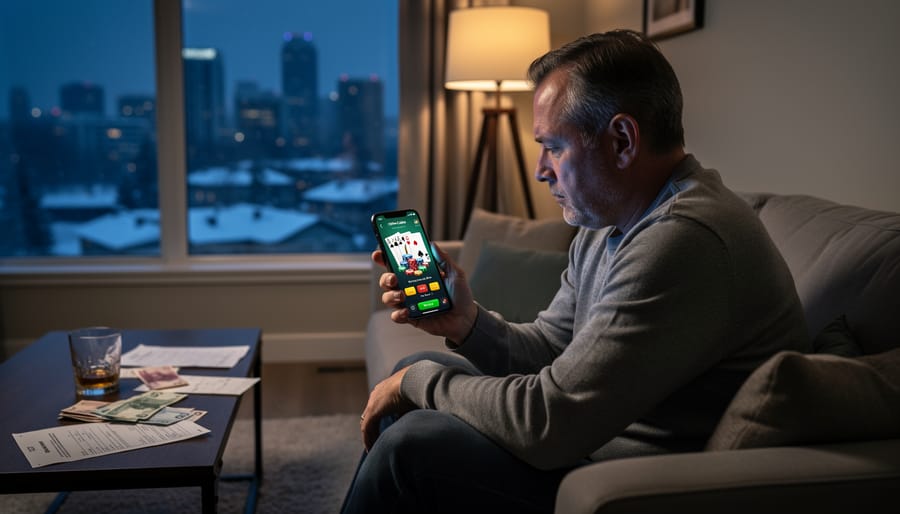
The Mental Health Connection You Need to Know
Stress and Anxiety Patterns
Online gambling creates a unique stress cycle that can significantly impact your physical and mental health. Unlike other forms of entertainment, the unpredictable pattern of wins and losses triggers repeated spikes in stress hormones, particularly cortisol. Each bet activates your body’s fight-or-flight response, and when losses mount, this stress becomes chronic rather than temporary.
The financial consequences of gambling losses often extend far beyond the casino or betting site. Many Albertans experience anxiety about unpaid bills, depleted savings, or hidden debts. This financial worry doesn’t stay contained to money matters—it seeps into daily life, affecting sleep quality, concentration at work, and relationships with family and friends. You might find yourself constantly calculating how to recover losses or hiding financial statements from loved ones.
Chronic stress from gambling has measurable health effects. Elevated cortisol levels over time can lead to headaches, digestive problems, high blood pressure, and a weakened immune system. Some people develop tension in their shoulders and neck, experience frequent stomach upset, or notice their heart racing even when not actively gambling. The mental burden creates a vicious cycle: stress may drive more gambling as an escape, which then generates additional stress.
Recognizing these patterns is the first step toward change. Managing stress effectively requires addressing the root cause, not just the symptoms. Your body is sending clear signals that deserve attention and support.
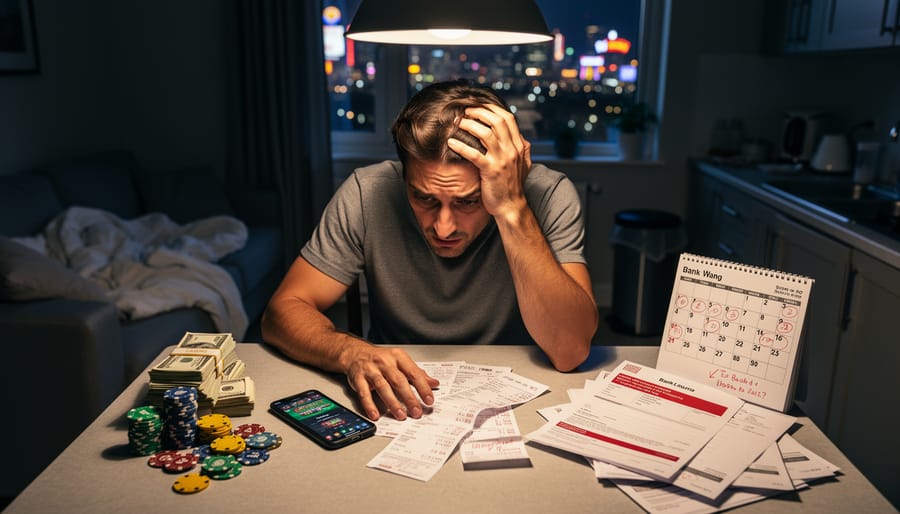
Depression and Isolation
Online gambling often becomes a solitary activity, which can intensify feelings of loneliness and disconnection. Unlike visiting a casino with friends, online platforms allow you to gamble privately at any time, making it easier to hide the behavior from loved ones. This isolation frequently stems from shame about losses or the amount of time and money spent gambling.
Many people withdraw from social activities and relationships as gambling takes priority. You might find yourself making excuses to skip family gatherings, avoiding friends, or becoming emotionally distant from those who care about you. This withdrawal creates a cycle where isolation fuels more gambling, and gambling deepens the isolation.
Research shows a strong connection between gambling losses and depressive symptoms. Financial stress from losing money can trigger or worsen depression, leading to feelings of hopelessness, guilt, and low self-worth. Some people gamble more in an attempt to escape these painful emotions, only to experience greater losses and deeper depression.
If you’re spending more time gambling alone, pulling away from relationships, or noticing changes in your mood after gambling sessions, these are important signs to recognize. Reaching out for support, whether through trusted friends, family, or professional resources, is a positive step toward breaking the cycle of isolation.
Sleep Disruption
Online gambling’s 24/7 availability makes it easy to lose track of time, with many people finding themselves placing bets well into the early morning hours. These late-night sessions take a serious toll on sleep quality and quantity. When you’re engaged in the excitement of gambling, your brain releases stress hormones that keep you alert, making it difficult to wind down even after you stop playing.
The connection between sleep disruption and mental health creates a harmful cycle. Poor sleep makes it harder to manage stress, regulate emotions, and make good decisions—all factors that can increase gambling urges. Meanwhile, the anxiety about gambling losses or the anticipation of the next session keeps your mind racing at night, preventing restful sleep.
This pattern becomes self-reinforcing: exhaustion impairs judgment, leading to riskier gambling decisions and greater losses, which causes more stress and sleep problems. If you notice you’re regularly staying up late to gamble or lying awake worrying about gambling activities, these are signs that intervention may help. Establishing a firm cutoff time for online activities and creating a calming bedtime routine can help break this cycle and support both better sleep and healthier gambling habits.
Warning Signs That Gambling is Affecting Your Wellbeing
Recognizing when gambling shifts from occasional entertainment to something that affects your wellbeing isn’t always obvious. These patterns often develop gradually, making them easy to overlook or rationalize. Take a moment to honestly reflect on these questions—not to judge yourself, but to check in with how gambling might be influencing your daily life.
Do you find yourself thinking about gambling when you’re doing other things? Maybe you’re planning your next session during work meetings, or calculating potential wins while spending time with family. When gambling occupies significant mental space throughout your day, it may signal that it’s becoming more than casual entertainment.
Have your gambling habits changed your relationship with money? This might look like checking your bank account multiple times daily, gambling with money meant for groceries or bills, or borrowing from friends and family more frequently. You might notice yourself making smaller purchases on credit while depositing larger amounts into gambling accounts.
Are you gambling longer or more often than you intended? Setting a time limit or budget, then consistently exceeding both, suggests that maintaining control has become challenging. This includes staying up later than planned, skipping meals, or extending sessions “just a few more minutes” repeatedly.
Do you feel irritable, anxious, or restless when you can’t gamble? If technical issues with gambling sites, lack of funds, or other obligations that prevent gambling leave you feeling agitated or preoccupied, your brain may have begun associating gambling with emotional regulation.
Have you become secretive about your gambling? Deleting browser history, creating separate email accounts, or downplaying how much time or money you spend gambling often indicates an awareness that things have shifted, even if you’re not ready to address it directly.
Are you gambling to escape uncomfortable feelings? Using gambling to avoid stress, loneliness, anxiety, or depression might provide temporary relief, but it often intensifies these feelings over time, creating a difficult cycle.
Have relationships or responsibilities suffered? Missing important events, declining social invitations to gamble instead, or experiencing increased conflict with loved ones about gambling are significant indicators that it’s affecting your wellbeing.
If several of these patterns feel familiar, you’re not alone, and recognizing them is an important first step. Many Albertans experience similar struggles, and support is available without judgment.
Why Online Gambling Feels Different (And Why That Matters)
Online gambling creates a different experience than visiting a casino, and understanding these differences helps explain why it can be particularly challenging for your mental health and wellbeing.
When you gamble online, you’re not handling cash or even chips. You’re watching numbers change on a screen. This disconnect makes spending feel less real. Research shows that digital transactions don’t trigger the same emotional response as handing over physical money. You might find yourself wagering amounts you’d never consider spending in person, simply because it doesn’t feel like real money leaving your wallet.
Unlike physical casinos with closing times and travel requirements, online gambling platforms are available 24/7 from your phone or computer. This constant availability removes natural stopping points. There’s no drive home to reflect on your choices, no closing time that forces a break. You can gamble at 3 AM during a stressful night, during your lunch break, or while sitting on your couch. These built-in pauses that once existed have disappeared.
Online platforms also use sophisticated gamification features designed by behavioral psychologists to keep you engaged. Flashing lights, celebratory sounds, near-miss animations, loyalty programs, and push notifications all work together to make the experience feel exciting and rewarding. These features aren’t accidental – they’re carefully crafted to trigger the same brain responses that make gambling addictive.
Perhaps most significantly, online gambling is private. Nobody sees you placing bets. There’s no friend noticing you’ve been at the casino for six hours, no bartender cutting you off. This privacy reduces accountability and makes it easier to hide problematic behavior from loved ones and from yourself.
For Albertans already managing stress, anxiety, or other health concerns, these factors create a perfect storm that can quickly impact your mental health and financial stability.
Protecting Your Mental Health: Steps You Can Take Today
Set Your Own Boundaries
Taking control starts with setting clear, personal boundaries that work for your lifestyle. Begin by deciding how much time and money you’re comfortable dedicating to gambling each week. Write these limits down and keep them visible, perhaps on your phone’s home screen or bathroom mirror.
Consider using technology to support your boundaries. App blockers like Freedom or Cold Turkey can restrict access to gambling sites during specific hours, while built-in phone features let you set daily time limits for apps. Many banks also offer tools to block transactions with gambling companies.
Create physical distance between yourself and gambling opportunities. Keep your phone in another room during family meals or before bedtime. If you gamble on your computer, move it to a shared space where others can see the screen. This added accountability often makes impulsive gambling less likely.
Set up automatic transfers to move money into savings right after payday, making it unavailable for gambling. Share your limits with someone you trust who can check in with you regularly. Remember, boundaries aren’t about restriction—they’re about protecting your time, money, and mental wellbeing so you can focus on what truly matters in your life.
Build Alternative Stress Relief Habits
When gambling has become your go-to stress reliever, building new habits takes time and intention. The good news is Alberta offers countless healthier alternatives that can provide genuine relief without the harmful consequences.
Physical activity is one of the most effective stress reducers available. Alberta’s recreation centers offer drop-in fitness classes, swimming, and basketball leagues where you can channel nervous energy productively. Even a daily walk through your neighborhood park or along one of Alberta’s extensive trail systems can significantly improve your mood and reduce anxiety. Exercise releases natural feel-good chemicals that gambling artificially stimulates.
Building social connections provides another powerful alternative. Join a community group, volunteer organization, or recreational sports team. These activities create natural accountability while reducing isolation, which often fuels gambling behavior. Many Alberta libraries and community centers host free social events, book clubs, and hobby groups.
For immediate stress relief, try mindfulness techniques like deep breathing exercises or progressive muscle relaxation. These practices help you manage uncomfortable emotions without avoidance. Alberta Health Services offers free resources and workshops on stress management techniques designed specifically for our communities.
Remember, replacing gambling means finding activities that genuinely engage you, not just filling time. Experiment with different options until you discover what works for your lifestyle.
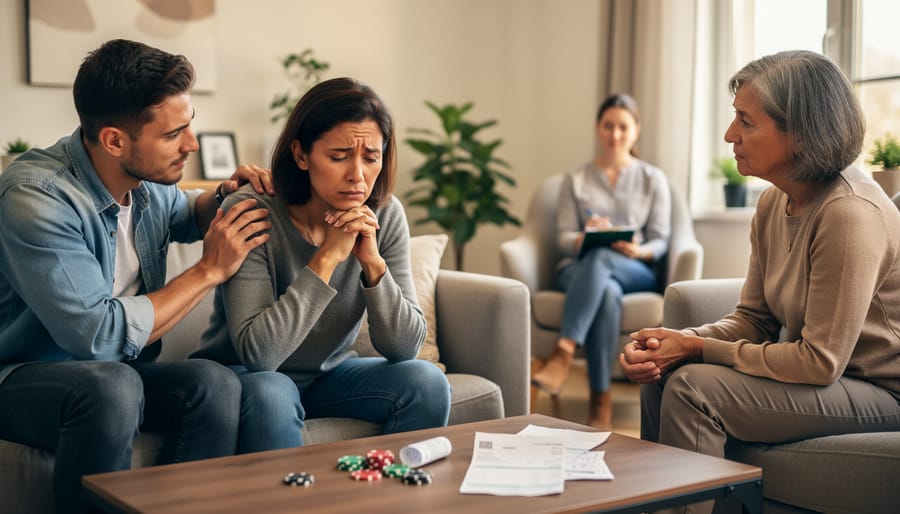
Reach Out for Support
If gambling is affecting your mental health or daily life, reaching out for support is a sign of strength, not weakness. You don’t have to face this alone, and help is available right here in Alberta.
Start by contacting the Alberta Health Services Addiction Helpline at 1-866-332-2322, available 24/7 for free, confidential support in multiple languages. Trained counselors can provide immediate guidance and connect you with local services tailored to your needs.
For in-person support, consider connecting with community counseling services or joining a support group where you can share experiences with others who understand your journey. Many Albertans have successfully addressed gambling concerns through these Alberta mental health resources, and you can too.
Consider seeking professional help if gambling interferes with work, relationships, or finances, if you feel unable to stop despite wanting to, or if you experience anxiety, depression, or thoughts of self-harm. Your family doctor can also provide referrals to specialized addiction services.
Remember, recovery is possible, and taking that first step toward support shows courage and self-care. Whether you reach out today or when you’re ready, know that compassionate, judgment-free help is waiting.
If you’re concerned about your online gambling habits or feeling overwhelmed by the mental health challenges that can come with it, know that you’re not alone—and more importantly, help is available right here in Alberta. Thousands of people successfully manage these challenges every year by taking that crucial first step of reaching out.
Remember, struggling with gambling or mental health doesn’t reflect a weakness in character. These are common challenges that respond well to treatment and support. Asking for help is actually one of the strongest decisions you can make for yourself and your loved ones. Whether you’re worried about your own habits or concerned about someone close to you, the resources available in Alberta are designed to meet you where you are, without judgment.
Your wellbeing matters. If something in this article resonated with you—whether it’s noticing warning signs, feeling the financial strain, or recognizing the emotional toll—consider that your signal to take action. Start small: have an honest conversation with someone you trust, call the Alberta Health Services’ Addiction Helpline at 1-866-332-2322, or explore the support options available through the Alberta Gambling Research Institute.
Taking control of your mental health and gambling habits isn’t about achieving perfection overnight. It’s about making the choice today to prioritize your wellbeing and taking those manageable steps forward. You deserve support, and Alberta’s resources are here to help you build a healthier, more balanced future.