
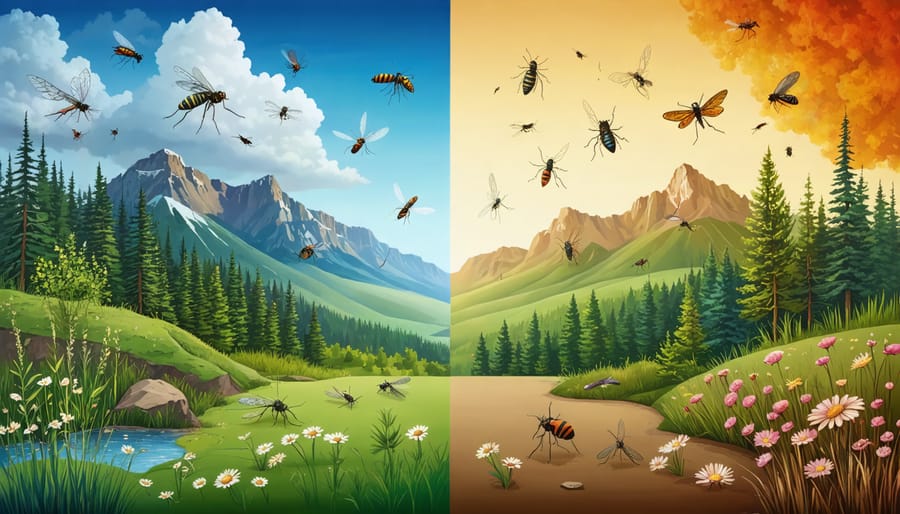
Vector-borne diseases pose a growing challenge as new disease threats in Alberta emerge with changing climate patterns. These illnesses spread through living carriers—typically insects like mosquitoes, ticks, and flies—that transmit pathogens from one host to another. Unlike direct-contact diseases, vector-borne illnesses require this intermediate organism to complete their transmission cycle, making them uniquely challenging to prevent and control.
Understanding vector-borne diseases is crucial for Albertans, particularly as our warming climate extends the active season of disease-carrying insects. From Lyme disease carried by ticks to West Nile virus transmitted by mosquitoes, these infections can affect anyone spending time outdoors. By recognizing how these diseases spread and implementing proper prevention strategies, residents can better protect themselves while enjoying Alberta’s natural environment.
Simple preventive measures, combined with awareness of local risk factors, form the foundation of effective protection against these increasingly common health challenges.
What Makes a Disease Vector-Borne?
Common Disease Vectors in Alberta
In Alberta, several common insects and animals can transmit diseases to humans. Mosquitoes are our primary concern, particularly species that can carry West Nile virus during the warmer months. These mosquitoes become most active from July to September, especially around dawn and dusk.
Ticks are another significant vector in our province, with the blacklegged (deer) tick being capable of transmitting Lyme disease. These ticks are typically found in wooded areas, tall grass, and shrubland throughout southern and central Alberta.
Richardson’s ground squirrels, while less common disease vectors, can carry fleas that transmit sylvatic plague. These rodents are frequently found in prairie regions and agricultural areas.
Deer mice, common in both rural and urban settings, can spread hantavirus through their droppings and urine. While not strictly a vector-borne transmission, these mice represent an important consideration in disease prevention.
Birds, particularly crows and magpies, can serve as hosts for West Nile virus, though they don’t directly transmit the disease to humans. Instead, they act as part of the transmission cycle when mosquitoes feed on infected birds and later bite humans.
How Disease Transmission Occurs
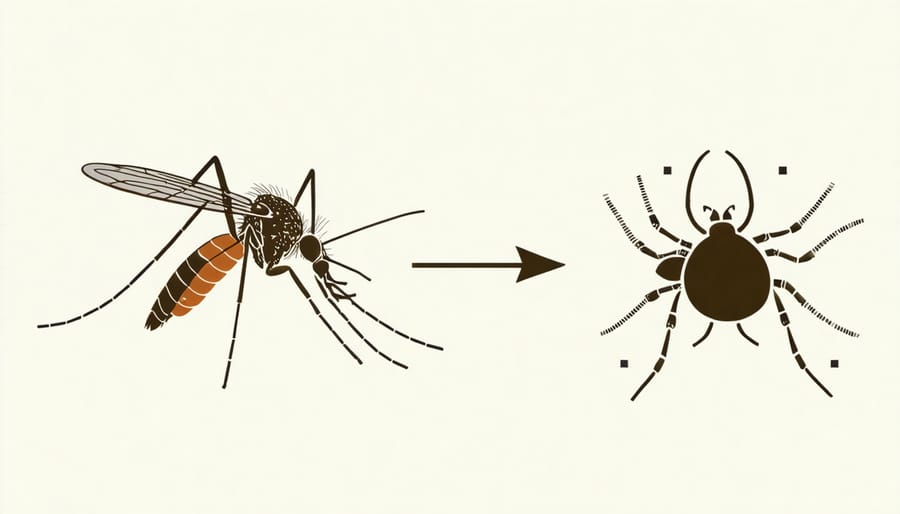
Disease transmission through vectors happens in a surprisingly straightforward way. When a vector, like a mosquito or tick, bites an infected animal or person, it picks up the disease-causing organism in its body. Later, when that same vector bites a healthy person, it passes the organism along through its saliva or other bodily fluids during the bite.
Think of vectors as tiny delivery services for diseases. Just as a courier moves packages between locations, vectors transport bacteria, viruses, or parasites from one host to another. For example, when a mosquito feeds on someone with West Nile virus, the virus multiplies inside the mosquito. The next time that mosquito bites someone, it can inject the virus along with its saliva.
Most vectors need to bite twice for transmission to occur: once to pick up the disease and once to pass it on. Some vectors, like ticks, might need to stay attached to your skin for several hours before they can transmit diseases. This is why checking for ticks after outdoor activities and removing them quickly is so important for preventing infection.
Seasonal Patterns and Vector Activity
Spring and Summer Risks
Spring and summer in Alberta bring increased outdoor activities, but they also mark peak seasons for vector-borne diseases. As temperatures rise, various disease-carrying insects become more active, leading to significant seasonal health impacts on our communities.
Common vectors during these warmer months include mosquitoes, which can carry West Nile virus, and ticks, particularly the blacklegged (deer) tick that may transmit Lyme disease. These insects thrive in Alberta’s diverse landscapes, from wooded areas to tall grass regions and even urban parks.
The risk typically begins in late spring (May) and extends through the summer months, peaking in July and August when outdoor activities are most frequent. Standing water from spring melts and summer rains creates ideal breeding conditions for mosquitoes, while warming temperatures encourage tick activity in natural areas.
During these seasons, it’s especially important to take preventive measures while enjoying the outdoors. This includes wearing appropriate clothing, using insect repellent, and checking for ticks after spending time in nature. Remember that vectors are most active during dawn and dusk, so timing your outdoor activities accordingly can help reduce exposure risk.
Being aware of these seasonal patterns helps Albertans make informed decisions about outdoor activities while still enjoying our beautiful province’s warmer months safely.
Fall and Winter Changes
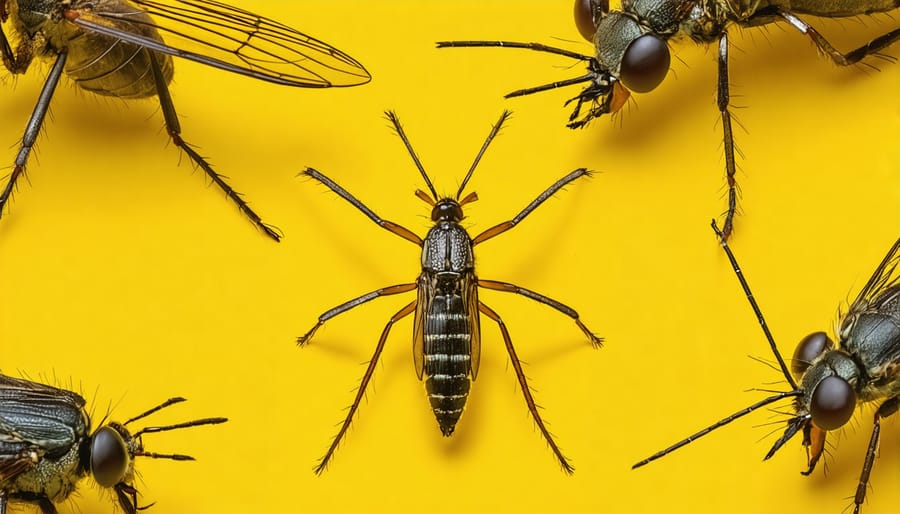
As temperatures drop during fall and winter in Alberta, vector activity typically decreases, but this doesn’t mean the risk completely disappears. Many disease-carrying vectors adapt their behaviors to survive colder weather. Mosquitoes become less active and many species die off, while others enter a dormant state until spring. However, some ticks remain active even in temperatures just above freezing, especially the black-legged (deer) tick.
During winter, vectors often seek shelter in leaf litter, animal burrows, or human structures. While outdoor activity risks generally decrease, people should remain vigilant when spending time in wooded areas or dealing with fallen leaves, as these can harbor dormant but still viable vectors.
Indoor spaces with heating can create micro-environments where some vectors remain active year-round. This is particularly relevant for vectors like bed bugs and certain species of ticks that have adapted to living in heated buildings.
The seasonal transition also affects animal hosts, changing their movement patterns and potentially bringing them closer to human settlements as they search for food and shelter. This can indirectly influence vector presence in residential areas.
Remember that while vector activity may decrease, maintaining preventive measures is still important, especially during unusual warm spells that can temporarily increase vector activity even during colder months.
Protecting Yourself Year-Round
Outdoor Safety Measures
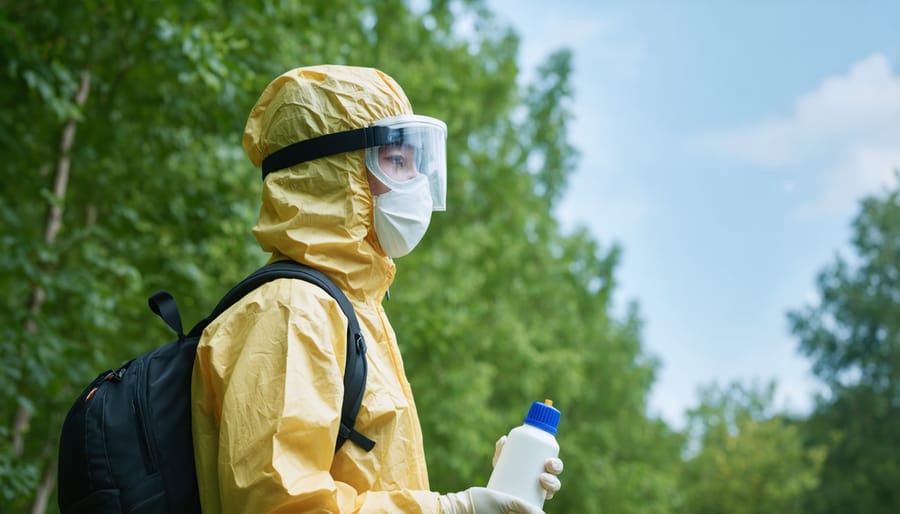
When spending time outdoors in Alberta, protecting yourself from vectors like ticks and mosquitoes is crucial. Start by wearing light-colored, long-sleeved shirts and pants tucked into socks, making it easier to spot crawling insects. Apply Health Canada-approved insect repellent containing DEET or Icaridin to exposed skin and clothing, following the label instructions carefully.
Be mindful of your surroundings, especially when hiking or camping. Stay on marked trails and avoid tall grass and dense brush where ticks commonly live. Regular tick checks during and after outdoor activities are essential – pay special attention to warm, moist areas of your body where ticks prefer to attach.
Understanding local environmental health risks can help you make informed decisions about outdoor activities. Consider using tick and mosquito prevention methods around your property, such as removing standing water, keeping grass short, and maintaining a clean yard free of leaf litter and brush piles.
For additional protection, treat outdoor gear and clothing with permethrin products when heading into high-risk areas. Remember that dawn and dusk are peak times for mosquito activity, so plan your outdoor activities accordingly or take extra precautions during these hours.
When to Seek Medical Help
If you experience any of these symptoms after being bitten by a mosquito, tick, or other insect, don’t wait to seek medical attention. Watch for fever, severe headache, unusual rashes (especially bull’s-eye patterns), joint pain, or extreme fatigue within days or weeks of a bite. These could signal a vector-borne illness that needs prompt treatment.
Contact your healthcare provider immediately if you develop flu-like symptoms during Alberta’s warm seasons, particularly if you’ve recently spent time outdoors in wooded areas or tall grass. Early intervention often leads to better outcomes.
Emergency medical care is necessary if you experience:
– Severe headache with neck stiffness
– Difficulty breathing
– Rapid heartbeat
– Mental confusion
– Severe muscle weakness
– Seizures
– High fever that won’t break
Keep the insect or tick if possible, as this can help with identification and treatment. Take photos of any rashes or bite marks to show your healthcare provider.
Remember that many vector-borne diseases can be successfully treated when caught early. Alberta’s healthcare providers are familiar with local vector-borne illnesses and can provide appropriate care. Don’t hesitate to reach out to Health Link (811) if you’re unsure about your symptoms or need guidance on next steps.
When traveling outside Alberta, be extra vigilant about unfamiliar symptoms, as different regions have different vector-borne diseases. Always tell your healthcare provider about recent travel history when seeking treatment.
Understanding vector-borne diseases is crucial for protecting yourself and your loved ones, especially here in Alberta where our changing climate affects disease patterns. As we’ve explored, these illnesses spread through insects and other organisms can have significant impacts on our health, but they’re also largely preventable with the right knowledge and actions.
Remember that prevention is your best defense. Simple steps like using insect repellent, wearing appropriate clothing, and maintaining your yard can significantly reduce your risk. During Alberta’s warmer months, being particularly vigilant about tick and mosquito protection can make a real difference in staying healthy.
It’s encouraging to know that our local health authorities actively monitor vector-borne diseases and provide updated guidance as needed. By staying informed about current risks and following recommended preventive measures, you’re taking control of your health security.
If you’re planning outdoor activities, whether it’s hiking in the Rockies or enjoying your backyard, make prevention part of your routine. Check yourself and your pets for ticks after outdoor activities, eliminate standing water around your home, and keep your lawn maintained.
Remember that while vector-borne diseases are serious, they’re manageable with awareness and proper precautions. If you notice any unusual symptoms after being bitten by an insect, don’t hesitate to contact your healthcare provider. Your proactive approach to prevention, combined with early recognition of potential symptoms, creates the best foundation for maintaining your health against vector-borne diseases.
By staying informed and taking practical steps to protect yourself, you can continue enjoying Alberta’s beautiful outdoors while minimizing your risk of vector-borne diseases.