

Yes, erectile dysfunction in diabetes is often reversible or significantly improvable. The good news is that many of the factors causing ED in diabetes can be addressed through better blood sugar control, lifestyle changes, and effective medical treatments. While some underlying nerve or blood vessel damage may be permanent if diabetes has been unmanaged for years, most men see meaningful improvement when they take action early.
Erectile dysfunction affects roughly 34% to 45% of adult men with diabetes and often appears earlier than in men without diabetes. The connection is straightforward: high blood sugar damages the small blood vessels and nerves that control erections. But here’s what makes this different from many complications: you can intervene at multiple points.
The medical approach focuses on identifying which factors are reversible and which aren’t. Nerve damage that’s already extensive may not fully heal, but improving your blood sugar levels right now can prevent further damage and often restore some function. Blood vessel health responds particularly well to lifestyle changes. Alberta men dealing with this condition have access to screening, treatment options, and local support that can make a real difference.
This article walks you through what qualifies you for screening (all adult men with diabetes should be assessed regularly), the three-step treatment process recommended by current guidelines, your rights in pursuing care, and where to find help across Alberta. The focus is on what you can control and the practical steps that lead to improvement.
Understanding Erectile Dysfunction in Diabetes
Reversible vs. Irreversible Factors
When you see a doctor about erectile dysfunction and diabetes, they’ll work to identify which underlying causes can be addressed and which cannot. This evaluation is crucial because it shapes your treatment path and sets realistic expectations.
Some factors respond well to intervention. Poor blood sugar control, for instance, is reversible, better diabetes management can protect your nerves and blood vessels, potentially improving erectile function. Lifestyle factors like smoking, excess weight, lack of physical activity, and high stress are also changeable. Many medications that contribute to ED can be adjusted or switched. Even psychological factors like performance anxiety often improve with counseling or treatment.
Other factors are harder to reverse. Long-standing nerve damage or severe blood vessel disease from years of uncontrolled diabetes may not fully recover. Advanced age and certain chronic health conditions limit what’s possible.
Here’s the encouraging part: most men have a mix of reversible and irreversible factors. Even if some damage can’t be undone, treating the reversible factors often leads to meaningful improvement. Your healthcare team will identify which levers you can pull and help you focus your efforts where they’ll make the biggest difference. This doesn’t guarantee full reversal, but it does mean action can help.
Who Should Be Screened and Evaluated
If you’re a man with diabetes, screening for erectile dysfunction should be part of your routine healthcare, regardless of age or how long you’ve had diabetes. Clinical guidelines recommend that all adult men with diabetes receive regular screening with sexual history at their diabetes appointments. This isn’t about prying into your private life, it’s about catching a treatable condition early and protecting your overall health.
Screening is straightforward: your healthcare provider will ask about your sexual function during a regular appointment, typically as part of your annual diabetes check or when reviewing complications. The questions are clinical and matter-of-fact, covering whether you’re experiencing difficulties achieving or maintaining erections, how often this happens, and how it’s affecting your quality of life. You don’t need to bring it up yourself if you’re uncomfortable, though doing so can speed up the process.
Why does this matter beyond sexual health? Erectile dysfunction in diabetes often signals damage to blood vessels and nerves that hasn’t been addressed yet. Identifying it early gives you and your healthcare team a chance to adjust your diabetes management before the damage becomes permanent. Alberta residents can access screening through their family doctor, endocrinologist, or diabetes clinic. If your provider doesn’t routinely ask about sexual function, you have every right to bring it up yourself, it’s a standard part of diabetes care, no different from checking your feet or eyes.
Treatment and Management Steps
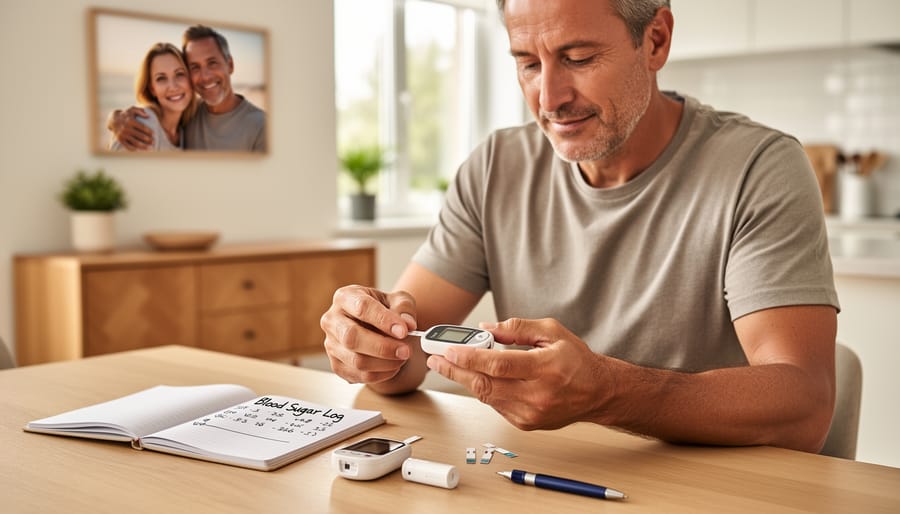
Step 1: Optimize Blood Sugar Control
Controlling your blood sugar is the foundation for improving erectile function when you have diabetes. High glucose levels damage the tiny blood vessels and nerves that make erections possible, but better blood sugar helps protect these structures from further harm. Some men notice improvements in their erectile function as their diabetes management improves, though the timeline varies from person to person.
Start by reviewing your recent A1C results with your healthcare team. If your levels are above target, work together to identify what’s getting in the way. Maybe your current medication plan needs adjustment, or perhaps stress and sleep are affecting your numbers more than you realized. Small, consistent improvements in blood sugar control add up over time.
Check your glucose regularly so you can spot patterns and make informed adjustments. Many Alberta diabetes clinics offer education sessions on how to use this data effectively. If you’re not already working with a diabetes educator or endocrinologist, ask your family doctor for a referral.
Keep in mind that protecting your nerves and blood vessels through better glucose control works alongside other treatments. You’re not choosing between managing your diabetes and treating ED; you’re addressing the root cause while exploring options that can help right now. This dual approach gives you the best chance of seeing real improvement.
Step 2: Make Lifestyle Modifications

Lifestyle changes work alongside medical treatment to support erectile function and overall health. The good news: many of these changes also improve your diabetes control, creating a positive cycle that benefits multiple areas of your health.
Physical Activity
Regular movement improves blood flow throughout your body, including to the penis. Exercise also helps control blood sugar, manage weight, and reduce stress, all factors that influence erectile function. You don’t need a gym membership. Walking, swimming, cycling, or activities you enjoy count. Start with 10 to 15 minutes most days and build from there. Our Sit Less resource offers practical ways to add movement to your day without overhauling your routine.
Eating for Better Function
What you eat affects blood sugar, blood vessel health, and hormone production. Focus on whole foods: vegetables, lean proteins, healthy fats, and whole grains. Limit processed foods, added sugars, and excess salt. These same choices support your diabetes management. For specific guidance tailored to diabetes, explore our nutrition strategies for diabetes.
Other Lifestyle Factors
Several additional changes support erectile function:
- Reduce alcohol to no more than two drinks per day (excess can interfere with erections)
- Quit smoking, as it damages blood vessels and restricts blood flow
- Manage stress through activities like deep breathing, meditation, or hobbies you enjoy
- Prioritize sleep, aiming for seven to nine hours nightly to support hormone balance
- Maintain connections with friends and family for emotional wellbeing
These factors connect to the 8 dimensions of health that influence your overall wellbeing. Small, consistent changes add up. Pick one or two areas to start, build confidence, then add more.
Step 3: Consider Medical Treatment

When lifestyle changes and blood sugar management alone aren’t enough, medical treatment can make a significant difference. The first-line therapy is PDE5 inhibitors, a class of oral medications that help improve blood flow to the penis. These medications have proven highly effective for men with diabetes, with studies showing major improvements in both erectile function and overall quality of life.
What makes these treatments particularly valuable is their low side effect profile. Most men tolerate them well, and they work alongside your other diabetes management efforts rather than replacing them. Your doctor can determine if this type of medication is appropriate for you based on your overall health, current medications, and specific needs.
It’s important to have an honest conversation with your healthcare provider about medical treatment options. Come prepared to discuss your symptoms, how they affect your relationship and well-being, any other medications you take, and your expectations. Your doctor should offer these treatments as a standard option if you want help managing ED, not something you need to ask for repeatedly or feel embarrassed about.
Remember that medical treatment works best when combined with good blood sugar control and healthy lifestyle habits. These medications address the immediate symptom, but managing the underlying diabetes helps protect your long-term sexual health. Think of medication as one tool in a complete approach, not a standalone solution.
What to Expect: Your Rights and Responsibilities
When you work with your healthcare team on erectile dysfunction, you’re entering a partnership where both sides have clear roles. Understanding what you can expect and what you need to bring helps make treatment more effective.
Your healthcare provider should offer regular screening as part of your diabetes care. All adult men with diabetes should be regularly screened for erectile dysfunction with a sexual function history. This isn’t an optional conversation or something you need to request, it’s standard care. You can expect your team to present treatment options without judgment, explain how different approaches work, and respect your choices about your own health. Whether you prefer face-to-face visits or telemedicine in Alberta your provider should make care accessible and comfortable.
| What Your Healthcare Team Should Provide | Your Role in Treatment Success |
|---|---|
| Regular screening for erectile dysfunction | Honest communication about symptoms and concerns |
| Clear explanation of treatment options | Following agreed treatment plans consistently |
| Respectful, judgment-free care | Managing blood sugar levels as recommended |
| Support for lifestyle modifications | Attending follow-up appointments |
Your responsibilities center on openness and consistency. Share details about your symptoms, how they affect you, and any concerns about treatment. Follow through on the plans you agree to, whether that means taking medication, adjusting your blood sugar management, or making lifestyle changes. Better blood sugar levels can help protect your nerves and blood vessels, which supports erectile function over time. Show up for follow-up appointments so your team can assess what’s working and adjust your approach if needed. This partnership only works when both sides stay engaged.
Where to Get Help in Alberta
Preparing for Your Appointment
Bring a complete picture of your health to help your doctor identify which factors might be reversible. Write down your questions beforehand so you don’t forget them during the appointment, and be ready to discuss details that might feel personal but are essential for proper evaluation.
- List of all medications and supplements you currently take, including doses
- Your recent blood sugar levels or A1C results if you track them
- Timeline of when you first noticed changes in erectile function
- Information about other health conditions, particularly heart disease or high blood pressure
- Your alcohol consumption and smoking habits
- Questions about treatment options and what to expect from them
Honest communication makes the biggest difference in finding effective treatment. Your doctor has heard it all before and needs accurate information to recommend the right combination of blood sugar management, lifestyle changes, and medical treatments for your situation. If discussing ED face-to-face feels uncomfortable, consider writing down the key details and handing them to your healthcare provider at the start of the visit.
How to Apply or Complete the Process
There is no formal application or registration system to access erectile dysfunction treatment in Alberta if you have diabetes. The process is simply a series of clinical conversations and decisions made within the normal healthcare system.
Start by booking an appointment with your family doctor or diabetes care provider. You don’t need a referral to begin this conversation. During your visit, your healthcare provider will take a sexual health history as part of your routine diabetes care. This screening should happen regularly, it’s a standard part of comprehensive diabetes management, not something you need to request.
Your doctor will conduct an evaluation focused on identifying reversible and irreversible underlying factors contributing to your erectile dysfunction. This typically involves discussing your symptoms, reviewing your diabetes control, checking your medications, and possibly ordering blood tests or other assessments. Based on this evaluation, your provider will recommend a treatment plan.
If phosphodiesterase type 5 inhibitors are appropriate for you, your doctor can prescribe them during the same visit or a follow-up appointment. These medications are first-line therapy for men with diabetes wishing treatment for erectile dysfunction and have been shown to have major impacts on erectile function and quality of life, with a low reported side effect profile.
The entire process happens through normal medical appointments. There are no forms to complete, waiting lists to join, or administrative hurdles beyond scheduling and attending your healthcare visits.
Common Questions About ED and Diabetes
Can erectile dysfunction caused by diabetes be reversed?
ED in diabetes can often be improved or reversed, especially when reversible factors like uncontrolled blood sugar, lifestyle habits, or treatable health conditions are addressed. An evaluation focused on identifying reversible and irreversible underlying factors helps determine your specific treatment path, though outcomes vary from person to person.
What is the main treatment for erectile dysfunction in diabetes?
Phosphodiesterase type 5 inhibitors are the current mainstay of therapy and should be offered as first-line treatment to men with diabetes wishing treatment for erectile dysfunction. These medications have been shown to have major impacts on erectile function and quality of life, with a low reported side effect profile.
How long does it take to see improvement?
The timeframe varies considerably depending on the underlying causes and treatments used. Some men notice changes within weeks of starting medical treatment, while improvements from better blood sugar control and lifestyle changes may take several months to become apparent.
Are ED treatments safe for men with diabetes?
Phosphodiesterase type 5 inhibitors have a low reported side effect profile and are considered safe for most men with diabetes. However, your doctor will review your complete medical history and current medications to ensure treatment is appropriate for your specific situation.
Should I be screened for ED even if I’m not experiencing problems?
Yes. All adult men with diabetes should be regularly screened for erectile dysfunction with a sexual function history, as ED often occurs earlier in men with diabetes and can be an indicator of other health concerns that benefit from early attention.
Remember that honest communication with your healthcare provider gives you the best chance of finding an effective treatment approach. Many men feel hesitant to bring up sexual health concerns, but screening and treatment for ED is routine care that your doctor expects to discuss as part of managing diabetes. Better blood sugar levels can help protect your nerves and blood vessels, which supports not just erectile function but your overall health. The combination of medical treatment, blood sugar management, and lifestyle changes offers the most comprehensive approach to improving erectile function in diabetes.
Erectile dysfunction in diabetes isn’t always fully reversible, but that shouldn’t discourage you from taking action. Many men see significant improvement when they combine better blood sugar control with lifestyle changes and medical treatment. The key is identifying which factors you can change and working with your healthcare team to address them.
Your first step is straightforward: talk to your doctor. Screening for ED should be part of your regular diabetes care, and these conversations happen more often than you might think. Your healthcare provider can help you understand what’s causing your symptoms and create a treatment plan that fits your situation.
Remember that managing erectile dysfunction goes hand in hand with managing your overall health. The same steps that protect your nerves and blood vessels from diabetes complications also support erectile function. Whether you’re dealing with early symptoms or looking to prevent problems down the road, the actions you take now can make a real difference.
You don’t have to navigate this alone. Alberta offers many resources to support men with diabetes in addressing sexual health concerns. Taking that first step to seek help is an investment in your quality of life and your long-term health.