
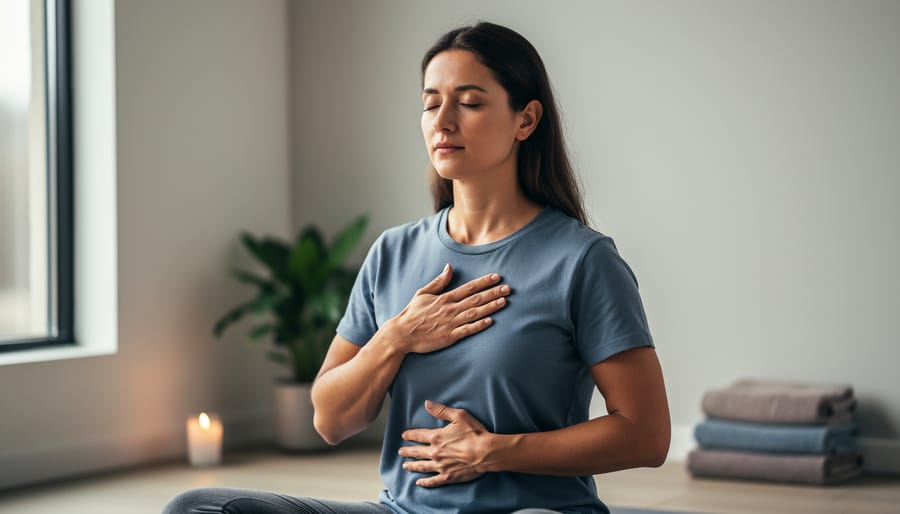
Breathwork is the intentional practice of controlling your breathing patterns to influence your mental, emotional, and physical state. Yes, it’s scientifically proven to work, and the evidence goes well beyond anecdotal wellness trends.
Research confirms what practitioners have long observed: controlled breathing techniques directly affect your nervous system, stress hormones, and brain chemistry. When you’re searching for proof that breathwork is legitimate, you’re probably weighing whether it’s worth your time for managing stress, anxiety, or other health concerns. The short answer is that multiple studies validate specific breathwork techniques for reducing stress, lowering blood pressure, and improving emotional regulation.
What makes breathwork particularly compelling for Albertans managing chronic conditions or seeking preventive health measures is its accessibility. You don’t need expensive equipment, a gym membership, or specialized training to start. The practice works by activating your parasympathetic nervous system (your body’s natural relaxation response) and giving you direct control over physiological processes that usually run on autopilot.
This article breaks down the biological mechanisms that make breathwork effective, examines which specific techniques have research support, and provides practical guidance for incorporating evidence-based breathing practices into your daily routine. You’ll learn what the science actually says, without inflated claims or vague promises, so you can make an informed decision about whether breathwork deserves a place in your wellness toolkit.
What Breathwork Is (and What It Isn’t)
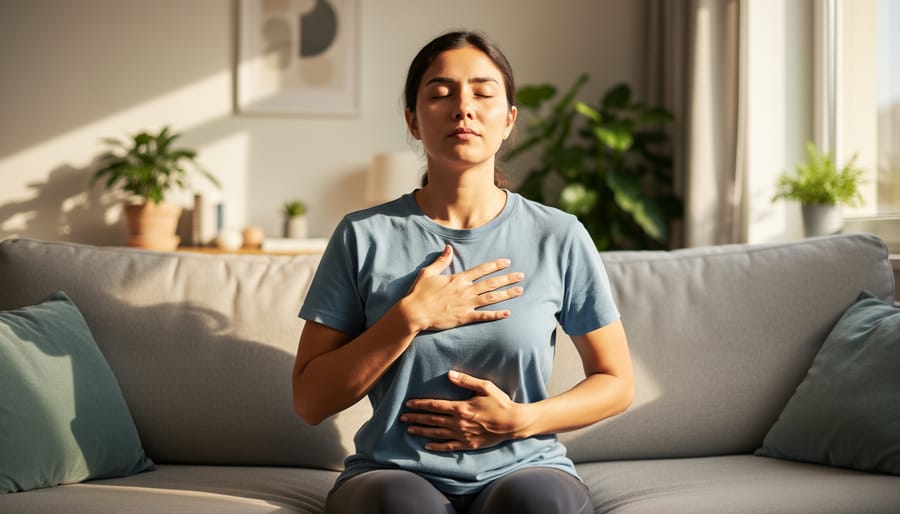
Breathwork is the practice of intentionally changing how you breathe, the pace, depth, and pattern, to influence how your body and mind feel. Unlike the automatic breathing that keeps you alive without thought, breathwork involves consciously controlling your breath for a specific purpose, whether that’s calming anxiety, improving focus, or managing stress.
- Breathwork
- The intentional control of breathing patterns to influence physical and mental states, used for stress management, anxiety reduction, and overall wellness.
- Breathing pattern
- The rhythm, depth, and pace of your breaths, which can range from shallow and rapid during stress to slow and deep during relaxation.
- Controlled breathing
- Deliberately adjusting how you breathe rather than letting it happen automatically, such as slowing your exhale or breathing through your nose.
- Breath regulation
- The process of managing your breathing to activate specific body responses, like calming the nervous system or increasing alertness.
Think of breathwork as exercise for your breathing. Just as you might lift weights to build muscle or walk to improve cardiovascular health, breathwork trains your ability to use breath as a tool. You’re already breathing roughly 20,000 times a day. Breathwork simply means taking control of some of those breaths with intention.
It’s not mystical or magical, despite how it’s sometimes portrayed in wellness circles. You don’t need special powers or beliefs to practice breathwork. The effects come from measurable physiological changes in your nervous system, heart rate, and brain chemistry, not from spiritual energy or unproven forces. Research has examined these mechanisms, and while breathwork won’t cure serious health conditions, it’s a legitimate self-care practice supported by our growing understanding of how breathing affects the body. For Albertans managing chronic stress or looking for accessible wellness tools, breathwork offers a practical starting point that costs nothing and requires no equipment.
How Breathwork Affects Your Body

Your breath does more than just move air. It acts as a direct line to your nervous system, influencing everything from heart rate to stress hormones in real time.
When you breathe, you’re sending signals to your brain about whether you’re safe or under threat. The autonomic nervous system, which runs in the background, managing functions you don’t consciously control, responds accordingly. Fast, shallow breathing from your chest triggers the sympathetic branch, your fight-or-flight response. This ramps up heart rate, tightens muscles, and floods your system with stress hormones like cortisol and adrenaline. Your body interprets this breathing pattern as a sign of danger, whether or not an actual threat exists.
Slow, deep breathing from your diaphragm does the opposite. It activates the parasympathetic branch, often called the rest-and-digest system. Your heart rate drops, blood pressure lowers, and stress hormone production decreases. This shift happens because deep breathing stimulates the vagus nerve, a major pathway between your brain and body that helps regulate calm states.
Breathwork deliberately uses these connections to shift your physical state. By changing how you breathe, you can influence:
- Nervous system balance between stress response and relaxation
- Cardiovascular function including heart rate and blood pressure
- Stress hormone levels such as cortisol and adrenaline
- Brain activity patterns linked to anxiety and focus
- Muscle tension throughout your body
The effects aren’t just mental. Breathing patterns change blood oxygen and carbon dioxide levels, which affect how alert or calm you feel. Slow breathing increases heart rate variability, the natural variation in time between heartbeats, which researchers consider a marker of nervous system flexibility and stress resilience.
This isn’t mystical. Your breath physically changes your body’s chemistry and electrical activity. That’s why a few minutes of intentional breathing can shift you from tense to calm, or from scattered to focused. You’re working with built-in systems that respond immediately to how you breathe.
Common Breathwork Techniques
Several well-studied breathwork methods stand out for their effectiveness in managing stress and anxiety. These simple breathing techniques can be practiced anywhere, making them particularly useful for busy Albertans juggling work, family, and health concerns.
Diaphragmatic breathing (also called belly breathing) involves breathing deeply into your lower abdomen rather than shallow chest breathing. You place one hand on your chest and one on your belly, then breathe so only the belly hand moves. This technique activates the body’s relaxation response and works well for general stress reduction or before sleep.
Box breathing uses a four-count pattern: inhale for four counts, hold for four, exhale for four, hold for four, then repeat. Popular with first responders and athletes, it’s especially helpful before high-pressure situations like presentations or medical appointments. The rhythmic structure gives your mind something to focus on during anxious moments.
Alternate nostril breathing comes from yoga traditions. You use your thumb to close one nostril, inhale through the other, switch sides, and exhale. Then repeat in the opposite direction. This balanced technique is ideal for calming racing thoughts and can be practiced during lunch breaks or between tasks.
Extended exhale breathing focuses on making your exhale longer than your inhale (for example, inhale for three counts, exhale for six). This directly engages the parasympathetic nervous system, your body’s calming mechanism. It’s particularly effective during acute anxiety or when you notice your heart racing.
Each technique offers a different approach, so you can choose what feels right for your situation and comfort level.
What the Research Shows
Scientific research into breathwork has grown steadily over the past two decades, and the evidence generally supports its use as a proven stress reduction tool. Studies have examined how controlled breathing affects measurable markers like cortisol levels, heart rate variability, blood pressure, and self-reported anxiety symptoms. Across different types of research, findings consistently show that regular breathwork practice can produce meaningful improvements in stress response and emotional regulation.
The physiological changes breathwork creates are well-documented. Controlled breathing techniques have been shown to shift the balance of your autonomic nervous system toward the calming parasympathetic state, which translates to lower heart rate, reduced muscle tension, and decreased production of stress hormones. Heart rate variability, a measure of how adaptable your nervous system is to stress, tends to improve with consistent practice. These aren’t subjective feelings but measurable body changes that researchers can track in laboratory settings.
For anxiety symptoms specifically, controlled trials have found that breathwork interventions reduce self-reported anxiety levels and improve coping ability. Participants who practice techniques like diaphragmatic breathing or extended exhale methods typically report feeling calmer and more in control during stressful situations. The effects appear to be dose-dependent, meaning regular practice tends to produce better results than occasional use.
That said, current research has limitations worth noting. Many studies involve small sample sizes, short timeframes, or lack rigorous control groups. The quality of evidence varies across different breathwork techniques, with some methods studied more thoroughly than others. Researchers also note that breathwork works best as part of a comprehensive approach to stress management, not as a standalone solution. It’s a valuable tool in your wellness toolkit, but it complements rather than replaces other strategies like physical activity, social connection, adequate sleep, and professional support when needed.
How Breathwork Is Used in Everyday Life

People use breathwork in remarkably ordinary ways, woven into the texture of daily life rather than set aside as a separate practice. Before a difficult conversation at work, someone might take five slow breaths in the parking lot. Before a medical appointment that triggers anxiety, a few minutes of box breathing can help settle the nervous system. These aren’t dramatic interventions, just practical tools that fit into the spaces between other activities.
Many Albertans incorporate brief breathing exercises into morning routines, much like brushing teeth. Three minutes of diaphragmatic breathing while the coffee brews becomes a predictable way to start the day with a calmer baseline. In workplace settings, especially high-stress environments like hospitals or emergency services, staff sometimes use structured breathing during breaks to reset between challenging situations.
For people managing chronic conditions such as diabetes, heart disease, or chronic pain, breathwork often becomes part of a broader holistic stress management approach. Stress worsens many chronic diseases, and simple breathing techniques offer a way to address that connection without medication or special equipment. Extended exhale breathing before bed helps some people with chronic illness manage sleep disruptions, while others use it alongside mindfulness for chronic illness to cope with pain flares or medical uncertainty.
The most common real-world use is probably acute anxiety management. When panic symptoms start, focusing on slow, controlled breathing gives the mind something concrete to do while the body’s alarm system gradually settles. It doesn’t eliminate anxiety, but it often makes it more manageable in the moment.
Getting Started Safely
Starting a breathwork practice doesn’t require special equipment or training. Begin with five minutes of simple diaphragmatic breathing when you’re calm, not during a crisis. Sit comfortably, breathe in through your nose for a count of four, and out through your mouth for a count of six. Notice how your body feels without forcing anything.
Most people experience relaxation within a few sessions, though some initially feel lightheaded or anxious as their body adjusts to different breathing patterns. If dizziness occurs, return to normal breathing and try shorter sessions. These sensations typically resolve with practice.
Certain health conditions warrant extra caution. If you have asthma, COPD, or other respiratory conditions, check with your doctor before trying breathwork, as some techniques may trigger symptoms. People with cardiovascular concerns should avoid breath-holding exercises initially. Those managing anxiety disorders might find certain rapid breathing techniques overstimulating; start with gentle, extended exhale methods instead.
Consider working with a respiratory therapist, physiotherapist trained in breathing techniques, or certified breathwork instructor if you have chronic health conditions or want personalized guidance. Many Alberta health centres and wellness programs offer breathwork instruction alongside other services.
Think of breathwork as one component of your health toolkit. It works best when combined with regular physical activity, adequate sleep, social connection, and appropriate medical care. It’s a practical, accessible self-care skill that complements, rather than replaces, other preventive health measures. Start small, listen to your body, and build from there.
So, is breathwork scientifically proven? The research shows that yes, controlled breathing techniques have measurable effects on your nervous system, stress response, and overall sense of calm. Studies support breathwork as a legitimate tool for managing stress and anxiety, not just a wellness trend. That said, it’s not a miracle cure or a replacement for medical treatment when you need it.
Does breathwork work immediately?
Some techniques can calm your nervous system within minutes, though building a consistent practice brings the most lasting benefits.
How often should I practice breathwork?
Even 5-10 minutes daily helps, but you can also use techniques as needed during stressful moments.
Can breathwork replace medication for anxiety?
No. Breathwork is a helpful self-care tool, but it should complement professional treatment, not replace prescribed medication or therapy.
What’s the best technique for beginners?
Start with simple diaphragmatic breathing or box breathing, they’re easy to learn and effective for most people.
The good news for Albertans looking to manage stress is that breathwork is accessible, free, and you can start right now. Try a simple technique when you feel overwhelmed, before a big meeting, or as part of your morning routine. Pair it with other healthy habits like regular movement, good sleep, and staying connected to your community. Breathwork won’t solve everything, but it’s a practical tool you can use anywhere, anytime, to help your body shift from stress mode to calm.