

Combine evidence-based medical treatments with holistic wellness practices through integrative disease management to create a comprehensive healing strategy. Partner with Alberta’s growing network of integrative health practitioners who blend conventional medicine with nutrition, movement therapy, and stress reduction techniques. Track your progress using both clinical measurements and quality-of-life indicators, creating a personalized dashboard that captures your complete health journey. Build a coordinated care team including your family doctor, specialists, and complementary health providers who communicate effectively and share a common vision for your wellness goals. This patient-centered approach recognizes that optimal health comes from addressing physical symptoms while nurturing mental, emotional, and social well-being – a strategy increasingly embraced by Alberta’s healthcare community for its proven effectiveness in managing chronic conditions and promoting lasting wellness.
What Makes Disease Management ‘Integrative’ in Alberta?

Blending Convention with Complementary Care
Modern healthcare works best when we combine the strengths of both conventional medicine and complementary therapies. Think of it as building a complete healthcare team, where your family doctor works alongside practitioners like naturopaths, physiotherapists, and mental health professionals.
In Alberta, many healthcare providers now recognize that treating the whole person often requires multiple approaches. For example, someone managing diabetes might work with their doctor on medication and monitoring while also consulting a nutritionist for dietary guidance and attending stress-reduction classes to help manage blood sugar levels.
This collaborative approach means you might use acupuncture to help manage pain while taking prescribed medications, or combine massage therapy with physical therapy after an injury. The key is that these treatments don’t compete – they complement each other to support your overall health.
Many Alberta health centers now offer integrated care programs where medical professionals regularly communicate with complementary practitioners to ensure your treatment plan is coordinated and safe. This team approach helps ensure you receive the most comprehensive care possible while maintaining the highest standards of medical practice.
The Mind-Body Connection
Your mental state and physical health are deeply interconnected, working together like two sides of the same coin. When you’re stressed, anxious, or experiencing depression, your body responds with physical symptoms like muscle tension, digestive issues, or headaches. Similarly, chronic physical conditions can significantly impact your emotional well-being and mental health.
Here in Alberta, healthcare providers are increasingly recognizing this vital connection. Simple practices like deep breathing exercises, meditation, or even a daily walk in our beautiful parks can help manage both physical symptoms and emotional stress. Research shows that positive mental health practices can boost immune function, reduce inflammation, and improve healing outcomes.
Understanding this connection empowers you to take better care of both your mind and body, leading to more effective overall health management.
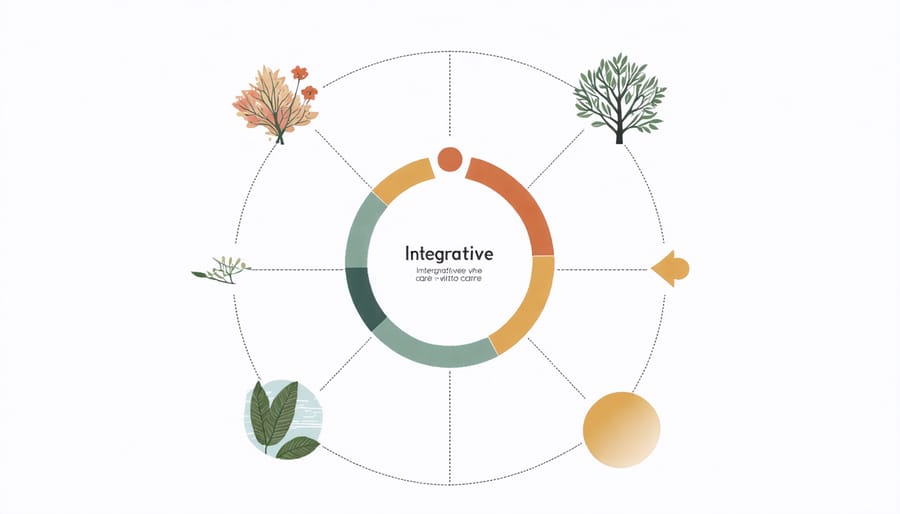
The Four Pillars of Alberta’s Integrative Care
Medical Treatment and Monitoring
Medical treatment remains a cornerstone of health care, working alongside complementary approaches to provide comprehensive support. Your family doctor or specialist will oversee your overall health plan, prescribe necessary medications, and conduct regular check-ups to monitor your progress. They’ll track important health markers, adjust treatments as needed, and coordinate with other healthcare providers involved in your care.
In Alberta, medical professionals increasingly recognize the value of working collaboratively with practitioners of complementary therapies. Many healthcare facilities now offer integrated care teams where physicians work alongside other health professionals to provide the best possible outcomes. Regular monitoring through blood work, diagnostic tests, and physical examinations ensures your treatment plan stays on track while keeping you safe and healthy.
Remember to maintain open communication with your healthcare team about all treatments you’re pursuing, including any complementary therapies or lifestyle changes.
Lifestyle Modifications
Making meaningful lifestyle modifications is key to supporting your overall health and well-being. Start by focusing on balanced nutrition that includes plenty of local Alberta-grown vegetables, whole grains, and lean proteins. Regular physical activity, whether it’s walking in your neighbourhood or joining community fitness programs, helps maintain both physical and mental health.
Consider establishing a consistent sleep schedule and stress management practices like meditation or yoga. Small changes, such as taking walking meetings or preparing meals at home, can make a big difference. Remember to stay hydrated and limit processed foods and excessive alcohol consumption.
These changes don’t need to happen all at once – start with one or two manageable adjustments and build from there. Your healthcare team can help you identify which modifications will benefit you most.
Mental Health Support
Mental well-being plays a crucial role in your overall health journey. In Alberta, there are numerous mental health support strategies that complement physical treatments. Regular mindfulness practices, such as meditation or deep breathing exercises, can help manage stress and anxiety. Consider joining local support groups where you can connect with others facing similar health challenges. Many Alberta health centres now offer counseling services that integrate with your care plan, helping you develop coping skills and emotional resilience. Remember, it’s perfectly normal to seek help when you’re feeling overwhelmed. Simple daily practices like gratitude journaling, regular exercise, and maintaining social connections can significantly impact your emotional well-being and support your journey toward better health.
Community and Social Support
Building a strong support network is essential for your wellness journey. Alberta offers numerous community resources that can help you connect with others who share similar health goals. Local wellness centers, community leagues, and health-focused groups regularly host events and workshops where you can learn, share experiences, and find encouragement.
The Alberta Healthy Living Program provides free group classes and support services in many communities. Public libraries often feature health education sessions, while community centers offer fitness classes and wellness workshops tailored to various needs and abilities.
Online support groups specific to Alberta residents can help you stay connected, especially if you live in rural areas. Many healthcare providers also maintain patient support networks, allowing you to connect with others while receiving professional guidance. Remember, sharing your journey with others who understand your experiences can make a significant difference in achieving your health goals.
Making It Work: Practical Steps for Patients

Building Your Healthcare Team
Building an effective healthcare team is like assembling pieces of a puzzle – each provider brings unique expertise to support your overall well-being. Start by choosing a family doctor who’s open to integrative approaches and can serve as your primary care coordinator. In Alberta, you can find these practitioners through the Primary Care Networks in your area.
Consider adding complementary healthcare providers based on your specific needs. This might include naturopathic doctors, physiotherapists, registered dietitians, or mental health professionals. Many Alberta clinics now offer multiple services under one roof, making coordination easier.
Keep a detailed health journal and maintain open communication between all your providers. Share treatment plans, medication lists, and test results with each team member. Most Alberta healthcare facilities now use Connect Care, making it easier to share information between providers.
Don’t forget to include community resources in your healthcare team. Local wellness centers, support groups, and fitness programs can provide valuable additional support. Remember, you’re the captain of this team – don’t hesitate to ask questions and ensure all providers are working together toward your health goals.
Creating Your Personal Action Plan
Creating a personal action plan starts with a thoughtful assessment of your current health needs and goals. Begin by listing your primary health concerns and the wellness outcomes you’d like to achieve. Next, schedule a consultation with your family doctor to discuss your interest in integrative care and explore potential treatment combinations that could work for you.
Research local practitioners in Alberta who specialize in complementary therapies that interest you, such as registered massage therapists, acupuncturists, or naturopathic doctors. Keep a wellness journal to track your symptoms, treatments, and progress. This will help you identify what works best for your body and adjust your plan accordingly.
Remember to start slowly and build your routine gradually. For example, you might begin with one complementary therapy alongside your conventional treatment, then add other elements as you become comfortable. Set realistic timelines and celebrate small victories along the way.
Review and update your plan every three months, or sooner if needed. Stay in communication with all your healthcare providers, ensuring they’re aware of your full treatment program. This collaborative approach helps prevent any potential conflicts between different therapies and ensures you’re getting the most benefit from your integrative care journey.
Success Stories from Alberta
Let’s look at how Albertans are successfully embracing integrative approaches to health and wellness. Take Sarah from Edmonton, who struggled with chronic back pain for years. By combining physiotherapy with mindfulness meditation and acupuncture, she’s now able to enjoy hiking in the Rockies again – something she thought she’d never do.
In Calgary, the Thompson Family Wellness Center has pioneered a collaborative care model where family doctors work alongside naturopaths and mental health professionals. Their diabetes management program has helped over 200 patients reduce their medication dependency through a combination of conventional treatment, dietary changes, and stress management techniques.
Red Deer’s Community Health Hub showcases another inspiring example. Their integrated cancer support program combines standard medical treatments with evidence-based complementary therapies. Participants report better quality of life, reduced treatment side effects, and stronger emotional resilience throughout their healing journey.
In Lethbridge, Dr. Martinez’s clinic has become a model for integrative care in rural communities. By incorporating traditional Indigenous healing practices alongside modern medicine, they’ve seen remarkable improvements in chronic disease management among their diverse patient population.
The success of these approaches is also evident in workplace wellness programs. Several Alberta-based companies have adopted integrative health strategies, resulting in reduced sick days and improved employee satisfaction. The ATB Financial wellness program, which includes both conventional medical support and alternative therapies, has seen a 40% reduction in stress-related leave since its implementation.
These stories demonstrate how combining different healing approaches can lead to better outcomes for Albertans, regardless of their health challenges.
Taking an integrative approach to health isn’t just about combining different treatments – it’s about embracing a whole-person journey to wellness that works for you. By bringing together conventional medicine, lifestyle changes, and complementary therapies, you’re giving yourself the best chance at achieving optimal health outcomes.
Remember, you don’t have to make all these changes at once. Start small by incorporating one or two new practices into your routine. Maybe begin with a daily walk or meditation practice, then gradually explore other complementary therapies that interest you. Be sure to keep your healthcare providers informed about your choices and work with them to create a plan that fits your needs.
Here in Alberta, we’re fortunate to have access to a wide range of healthcare options and professionals who support integrative approaches. Reach out to your local healthcare providers, community centers, or wellness groups to learn more about available resources and support networks.
Your health journey is unique to you. By taking an active role in your care and embracing an integrative approach, you’re investing in your long-term wellbeing. Take that first step today – your future self will thank you.