
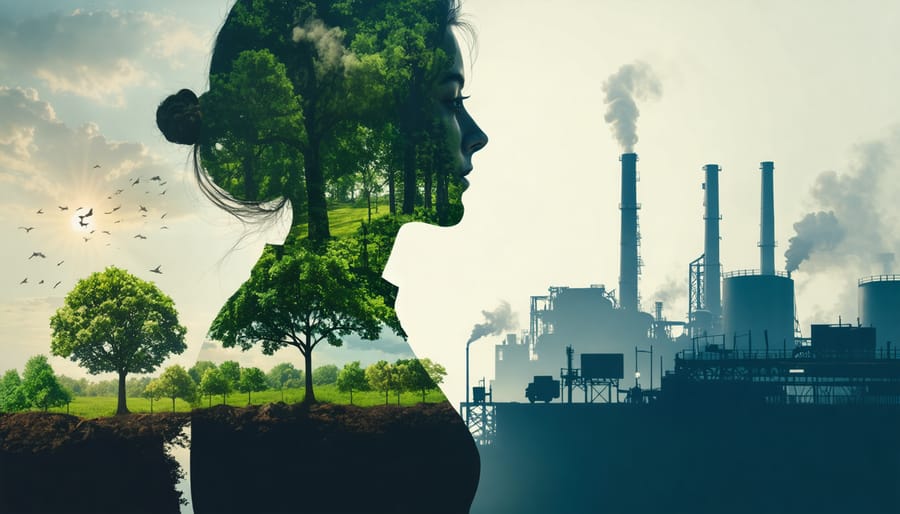
Our environment shapes every aspect of our health, from the air we breathe to the water we drink and the spaces we live in. Environmental health connects these vital elements to our well-being, revealing how natural and built surroundings directly impact our physical and mental health. Here in Alberta, where we face unique environmental challenges from oil sands development to changing seasonal patterns, understanding this relationship becomes even more critical.
Think of environmental health as the bridge between our surroundings and our wellness. It encompasses air quality in our homes, workplace safety conditions, access to clean water, and exposure to natural spaces. These factors don’t just influence our immediate health—they shape our long-term well-being and the health of future generations.
As Albertans, we have both the responsibility and the opportunity to create healthier environments. Whether it’s making informed choices about household products, supporting local environmental initiatives, or advocating for cleaner industry practices, each of us plays a crucial role in building a healthier community for all.
What Makes Up Your Environmental Health?
Air Quality and Your Health
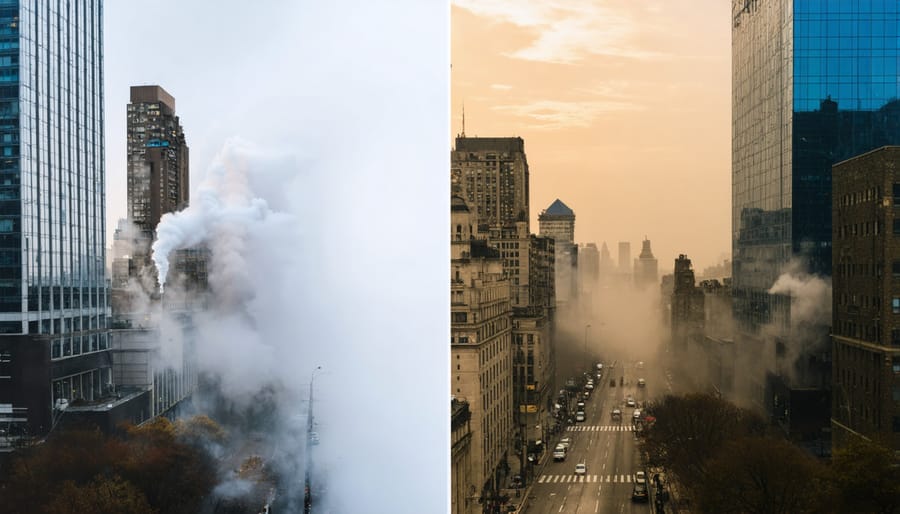
The air we breathe has a direct impact on our health, both indoors and outdoors. In Alberta, our air quality can vary significantly throughout the year, affected by factors like wildfire smoke, industrial emissions, and seasonal changes. Poor air quality can trigger respiratory issues, worsen existing conditions like asthma, and affect cardiovascular health.
Indoor air quality deserves special attention since we spend roughly 90% of our time inside. Common indoor pollutants include mold, dust, pet dander, and volatile organic compounds from household products. Taking simple steps like using air purifiers, maintaining proper ventilation, and regularly cleaning air filters can significantly improve your indoor air environment.
Outdoor air quality in Alberta is generally good, but it’s important to stay informed about daily air quality indexes, especially during wildfire season. On days with poor air quality, consider limiting outdoor activities, particularly if you have underlying health conditions. Wearing appropriate masks when needed and planning outdoor activities during times when air quality is better can help protect your health.
Remember, while we can’t control all aspects of air quality, we can take proactive steps to minimize our exposure to harmful pollutants and create healthier spaces in our homes and workplaces.
Water Safety in Alberta
Alberta’s drinking water quality is among the best in Canada, thanks to rigorous monitoring and treatment systems. The province’s water sources include both surface water from rivers and lakes, and groundwater from aquifers. Each municipality follows strict guidelines set by Alberta Environment and Parks to ensure water safety.
Regular testing checks for bacteria, chemicals, and other contaminants that could affect human health. Most urban areas receive treated water from modern facilities that use multiple purification methods, including filtration and chlorination. Rural residents often rely on private wells, which require annual testing and proper maintenance.
To maintain water safety at home, residents should regularly clean water filters, fix leaky pipes, and avoid flushing medications or chemicals down drains. If you notice changes in water color, taste, or smell, contact your local utility provider immediately. During emergencies or boil water advisories, follow municipal guidelines carefully.
For those concerned about additional protection, home water filtration systems can provide an extra layer of safety. However, ensure any system you choose is certified for use in Alberta and properly maintained according to manufacturer specifications.
Common Environmental Health Risks in Alberta
Seasonal Environmental Concerns
Alberta’s distinct seasons bring unique environmental health challenges throughout the year. In winter, extreme cold temperatures and frequent temperature fluctuations can trigger respiratory issues and increase the risk of hypothermia. The dry winter air, combined with indoor heating, often leads to skin irritation and breathing difficulties for many residents.
Spring brings particular concerns with seasonal allergies as snow melts and plants begin to bloom. Tree pollen, particularly from poplar and birch trees common in Alberta, can cause significant discomfort for allergy sufferers. Additionally, spring runoff can impact water quality and increase the risk of flooding in certain areas.
Summer in Alberta presents challenges with air quality, especially during wildfire season. Smoke particles can travel hundreds of kilometers, affecting respiratory health even in areas far from active fires. High temperatures during heat waves can lead to heat exhaustion and pose serious risks for vulnerable populations, particularly in urban areas where the heat island effect is strongest.
Fall weather patterns can create temperature inversions that trap air pollutants close to the ground, especially in valley areas. This season also brings the return of indoor air quality concerns as people spend more time inside and close their windows, potentially increasing exposure to indoor pollutants and allergens.
These seasonal patterns require Albertans to stay informed and adjust their health protection strategies throughout the year.
Urban vs. Rural Environmental Factors
Living in urban or rural Alberta presents distinct environmental health challenges that can significantly impact our well-being. In cities like Edmonton and Calgary, residents often face concerns related to air pollution from vehicle emissions, industrial activities, and construction. Urban dwellers may also experience higher noise levels, which can affect sleep quality and stress levels. However, cities often benefit from better access to healthcare facilities and workplace health initiatives.
Rural areas present different challenges. While air quality is generally better, agricultural activities can introduce pesticides and other chemicals into the environment. Rural residents may face issues with water quality, particularly in areas relying on well water. They might also experience greater exposure to natural allergens and environmental variations.
Each setting offers unique advantages too. Urban areas typically provide more opportunities for active transportation and organized fitness activities, while rural environments offer greater access to natural spaces, which can benefit mental health and encourage outdoor activities.
Understanding these differences helps Albertans make informed decisions about their living environment and take appropriate preventive measures. Whether you’re in the city or countryside, you can create healthier spaces by maintaining proper ventilation, testing water quality regularly, and establishing green spaces in your immediate surroundings.
Protecting Your Environmental Health
Home Environment Improvements
Creating a healthier indoor environment is crucial for family health and well-being. Start by maintaining proper ventilation through regularly opening windows, using exhaust fans, and ensuring your HVAC system is well-maintained. This is particularly important during Alberta’s long winter months when homes are sealed tight.
Consider using natural cleaning products to reduce exposure to harsh chemicals. Simple alternatives like vinegar, baking soda, and lemon can effectively clean most surfaces while being environmentally friendly. Keep indoor humidity levels between 30-50% to prevent mold growth and reduce dust mites.
Test your home for radon, a naturally occurring radioactive gas common in Alberta homes. Install carbon monoxide detectors on each floor and regularly check their batteries. Remove shoes at the entrance to prevent tracking in outdoor pollutants and pesticides.
Choose low-VOC (volatile organic compound) paints and furnishings when renovating or decorating. Add indoor plants like spider plants or peace lilies to naturally filter air pollutants. Regular dusting and vacuuming with a HEPA-filter vacuum will help remove allergens and dust.
Control pet dander by grooming pets regularly and keeping them out of bedrooms. Use doormats at all entrances and wash them weekly. Consider using air purifiers in frequently used rooms, especially if family members have allergies or respiratory conditions.
Declutter regularly to reduce dust-collecting surfaces and make cleaning easier. Store chemicals, including cleaning supplies and pesticides, in well-ventilated areas away from living spaces. These simple steps can significantly improve your indoor air quality and create a healthier living environment.
Community Environmental Actions
Getting involved in community environmental initiatives is one of the most effective ways to create lasting positive change. By participating in local environmental projects, you’re not only protecting your own health but contributing to building healthier communities for everyone.
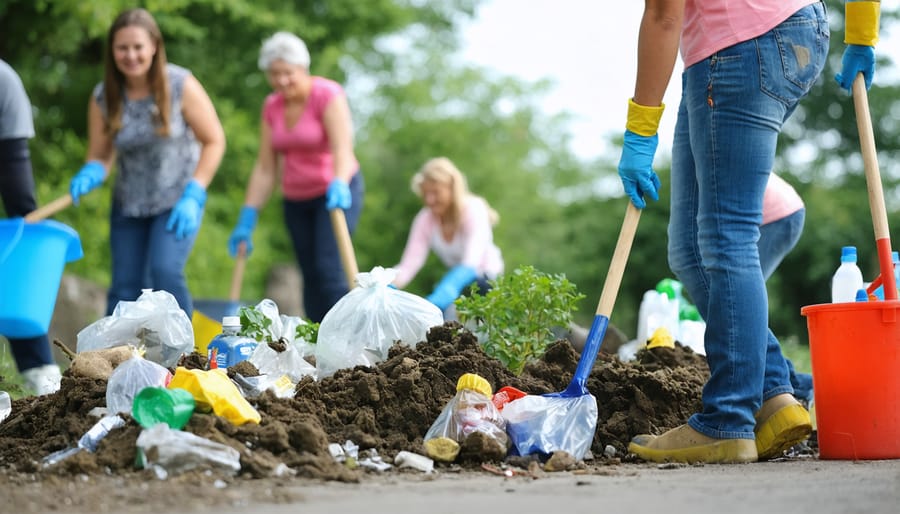
Start by joining or organizing neighborhood cleanup events to remove litter and maintain green spaces. Many Alberta communities have adopt-a-park programs where residents can help maintain local parks and natural areas. Consider participating in community gardens, which improve air quality and provide access to fresh, healthy food while creating social connections.
Watch for citizen science projects that monitor air and water quality in your area. These programs provide valuable data to environmental researchers while helping you understand local environmental conditions. You can also join local environmental advocacy groups that work with municipal governments to implement positive changes in your community.
Support local initiatives that promote sustainable transportation, such as bicycle-sharing programs or carpooling networks. Get involved with tree-planting campaigns – trees help filter air pollutants and create healthier outdoor spaces for everyone.
Consider joining your community league or attending town hall meetings where environmental policies are discussed. Your voice matters in shaping local environmental decisions. Many Alberta municipalities also offer workshops on composting, water conservation, and sustainable living practices – participating in these events helps build a more environmentally conscious community.
Remember, small actions add up when we work together. Whether it’s organizing a neighborhood recycling drive or supporting local environmental education programs, your participation makes a difference in creating a healthier environment for all.
Understanding and protecting environmental health is crucial for our well-being and that of future generations. Throughout this article, we’ve explored how our surroundings impact our health, from air quality to water safety, and the unique environmental challenges we face here in Alberta.
Remember, every small action counts. Whether it’s reducing your household chemical use, choosing eco-friendly products, or supporting local environmental initiatives, you have the power to create positive change. Consider starting with simple steps like improving your indoor air quality, regularly testing your home’s water, or creating a healthier living space through mindful choices.
Stay informed about environmental health issues in your community and don’t hesitate to reach out to local health authorities or environmental organizations for guidance. By working together and making conscious decisions, we can build healthier environments for ourselves and our neighbours.
The connection between our environment and health is clear – let’s take action today to protect both. Your health and the health of our environment are worth the effort.