

Your neighborhood’s quality, income level, and access to resources profoundly shape your health outcomes – these social determinants of health impact everything from chronic disease risk to life expectancy. Consider housing in Alberta: families spending over 30% of their income on rent often must choose between paying for medication or making rent, leading to poorer health outcomes. Limited access to stable housing forces difficult trade-offs between medical care, healthy food, and basic shelter needs.
This reality plays out daily across Alberta communities, where housing insecurity directly correlates with increased emergency room visits, delayed preventive care, and higher rates of chronic conditions. Understanding these connections helps explain why two people with similar medical conditions might experience vastly different health outcomes based on their living situations.
By recognizing housing as a critical health factor, we can better support community members facing these challenges. Local housing assistance programs, community health initiatives, and advocacy efforts are working to bridge these gaps, ensuring stable housing becomes a foundation for better health, not a barrier to it.
Housing as a Critical Health Factor in Alberta
The Housing Affordability Crisis
The housing affordability crisis in Alberta has become a pressing social determinant of health, with significant impacts on residents’ well-being. Recent data shows that average home prices in major cities like Calgary and Edmonton have risen by over 30% in the past five years, while rental costs continue to climb at unprecedented rates.
When families spend more than 30% of their income on housing, they often must make difficult choices between paying rent and other essential needs like healthy food, medication, or preventive healthcare. This financial strain can lead to increased stress, anxiety, and depression among affected individuals.
The crisis particularly affects vulnerable populations, including seniors on fixed incomes, single-parent families, and newcomers to Alberta. Many are forced to live in inadequate or overcrowded conditions, which can contribute to respiratory issues, sleep problems, and increased risk of communicable diseases.
Local organizations like housing authorities and community support services offer assistance programs for those struggling with housing costs. Additionally, the Alberta Affordable Housing Initiative provides options for reduced-rent housing and emergency shelter services for those in immediate need.
Living Conditions and Health
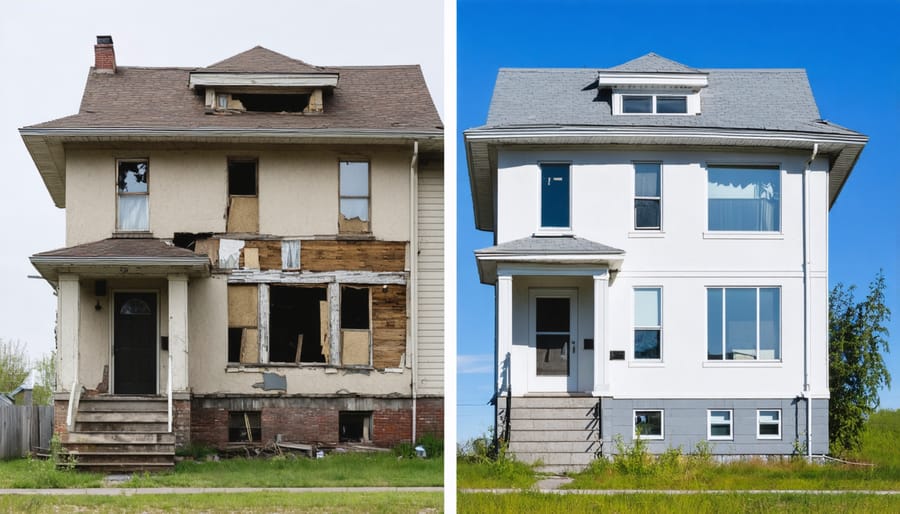
The quality of your living space directly impacts both your physical and mental health. In Alberta, where extreme weather conditions are common, inadequate housing can lead to respiratory issues from poor ventilation, mold exposure, or insufficient heating. Drafty windows and poor insulation not only increase utility bills but can also trigger health problems, especially during our harsh winters.
Beyond physical health, your living conditions significantly affect mental wellbeing. Overcrowded housing can increase stress levels and make it difficult to maintain privacy or establish healthy routines. Issues like pest infestations, structural problems, or unreliable utilities can create chronic anxiety and depression.
For families with children, housing quality is particularly crucial. Kids growing up in homes with environmental hazards face higher risks of developing asthma and other chronic conditions. Additionally, unstable housing situations – like frequent moves due to affordability issues – can disrupt children’s education and social development.
The good news is that many local organizations offer support for housing improvements. Simple changes like proper weatherstripping, regular maintenance, and addressing moisture issues can significantly improve your living environment and, consequently, your health outcomes.
Real Impact on Albertans’ Health
Mental Health Connections
Housing stress can significantly impact mental health, creating a complex cycle that affects overall wellbeing. When Albertans struggle with housing costs or live in inadequate conditions, it often leads to increased anxiety, depression, and chronic stress. For instance, families spending more than 30% of their income on housing might experience constant worry about making rent or mortgage payments, affecting their sleep quality and emotional stability.
Living in overcrowded or poor-quality housing can also trigger mental health challenges. The lack of private space, exposure to mold, or inadequate heating systems doesn’t just affect physical health – it can lead to feelings of helplessness and reduced self-worth. These mental health impacts often extend to children, potentially affecting their academic performance and social development.
The good news is that communities across Alberta are recognizing these connections and taking action. Local initiatives focused on building healthy communities are working to create affordable, quality housing options that support mental wellbeing. Support services like housing assistance programs and mental health counseling are increasingly being offered together, recognizing that addressing housing stability and mental health as connected issues leads to better outcomes.
Understanding this connection helps individuals and communities make informed decisions about housing policies and support systems, creating environments where everyone can thrive mentally and physically.
Physical Health Effects
Poor housing conditions can significantly impact your physical health in several ways. Living in a damp, poorly ventilated home increases your risk of respiratory problems like asthma and bronchitis. Mold exposure, which is common in older or poorly maintained buildings, can trigger allergic reactions and chronic breathing difficulties.
Temperature control issues in inadequate housing affect more than just comfort. During Alberta’s harsh winters, insufficient heating can lead to hypothermia and increased risk of heart problems, especially among seniors and those with existing health conditions. In summer, lack of proper cooling can cause heat exhaustion and worsen cardiovascular conditions.
Structural issues like poor insulation, pest infestations, or unsafe stairs can lead to injuries and accidents. People living in these conditions often experience higher rates of falls, especially older adults and young children. Exposure to lead paint in older buildings can cause serious health issues, particularly affecting children’s development.
Crowded living conditions can also increase the spread of infectious diseases and make it harder to recover from illnesses. Limited space for physical activity might lead to a more sedentary lifestyle, contributing to weight gain and related health challenges.
These physical health effects often develop gradually but can have lasting impacts on your overall wellness, making housing quality a crucial factor in long-term health outcomes.
Community Solutions and Resources
Government Support Programs
The Alberta government offers several programs to help residents access safe and affordable housing, recognizing its crucial role in maintaining good health. The Rental Assistance Program provides financial support to low-income Albertans, helping them secure stable housing in the private market. For seniors and individuals with disabilities, the Special Needs Assistance program offers additional support for housing modifications and essential repairs.
Alberta Health Services works alongside housing initiatives through the Home Care program, which helps people maintain their health while living independently. The Alberta Affordable Housing Partnership program collaborates with municipalities and non-profit organizations to develop new affordable housing units across the province.
For Indigenous communities, specific programs like the Indigenous Housing Capital Program provide culturally appropriate housing solutions. Emergency housing support is available through Alberta’s Emergency Financial Assistance program for those facing immediate housing crises.
Local organizations like the Calgary Housing Company and Edmonton’s Capital Region Housing Corporation manage social housing waitlists and provide additional resources. These programs often include wrap-around services that address both housing and health needs, such as connections to primary care providers and mental health support.
To access these programs, residents can contact Alberta Supports or visit their local Alberta Works office. Community health centres also serve as valuable information hubs for connecting people with available housing resources and health services.
Local Community Initiatives
Throughout Alberta, numerous community health initiatives are making significant strides in addressing housing-related health challenges. Local food banks have expanded their services to include housing advocacy programs, while neighborhood associations are creating support networks for residents facing housing instability.
In Edmonton, the “Neighbor to Neighbor” program connects homeowners with seniors who need affordable housing, creating win-win situations that combat social isolation and housing insecurity. Calgary’s “Home Bridge” initiative partners with local contractors to provide essential home repairs for low-income families, preventing the health impacts of deteriorating living conditions.
Community gardens and shared spaces are emerging across the province, fostering social connections and providing access to fresh, affordable produce. These spaces serve as gathering points where residents can build supportive relationships while addressing food security concerns.
Local libraries and community centers have become vital hubs, offering workshops on tenant rights, financial literacy, and housing resources. Many have partnered with healthcare providers to create on-site clinics, making medical care more accessible to those facing housing challenges.
These grassroots efforts demonstrate how communities can come together to create practical solutions that improve both housing conditions and health outcomes. By participating in or supporting these initiatives, you can help build stronger, healthier neighborhoods for everyone.

Understanding social determinants of health empowers us to take control of our well-being and create positive change in our communities. As we’ve explored through the example of housing in Alberta, these social factors have a profound impact on our health outcomes, from physical wellness to mental health and chronic disease management.
Remember that addressing social determinants of health isn’t just the responsibility of healthcare providers or government agencies – we all have a role to play. Whether it’s advocating for affordable housing initiatives in your neighborhood, supporting local community programs, or reaching out to neighbors in need, small actions can make a significant difference.
If you’re concerned about how social factors are affecting your health or that of your loved ones, don’t hesitate to take action. Start by discussing these issues with your healthcare provider, connecting with local community organizations, or reaching out to housing support services in your area. Alberta offers numerous resources and programs designed to help residents overcome housing-related health challenges.
By understanding and addressing social determinants of health like housing, we can work together to create healthier, more equitable communities across Alberta. Your awareness and involvement matter – they’re the first steps toward positive change for yourself and your community.
Let’s commit to being part of the solution, whether through individual actions, community involvement, or advocacy for systemic change. After all, better health outcomes for our neighbors mean a stronger, healthier Alberta for everyone.